

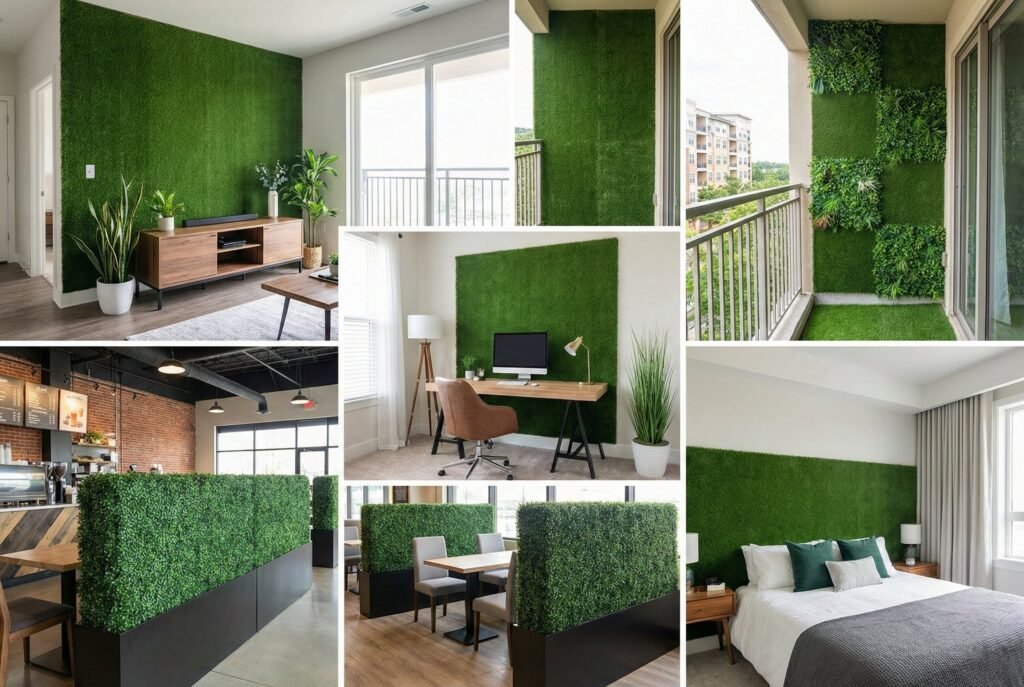
Artificial grass walls are changing how we think about interior and exterior design. Once reserved for sports fields, synthetic turf has evolved into a versatile, high-end material for modern homes and businesses. Designers now use faux greenery panels to create stunning vertical gardens that require zero watering, trimming, or sunlight.
Whether you want to add a touch of nature to a city apartment, create a privacy screen in your backyard, or design an Instagram-worthy feature wall for an event, artificial boxwood and turf panels offer a durable solution. They add texture, color, and a sense of calm to any space.
Here are 12+ creative ways to incorporate artificial grass walls into your decor, including practical installation tips and design advice.
1. Create a Stunning Living Room Feature Wall
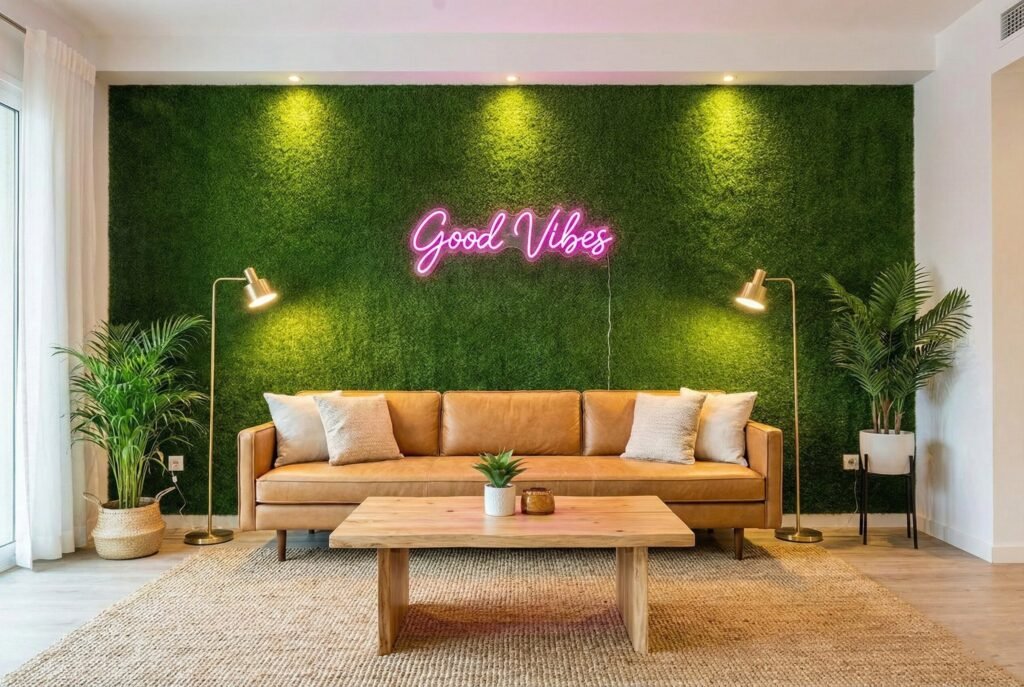
The living room is the heart of the home, and a green wall serves as a bold focal point. Instead of paint or wallpaper, cover one main wall entirely with faux greenery panels. This brings the outdoors in and softens the hard lines of furniture and electronics.
Why It Works:
Green is naturally calming and reduces stress. A textured grass wall acts as sound insulation, dampening echoes in large rooms with high ceilings. It contrasts beautifully with leather sofas, wooden coffee tables, and metallic accents.
Design Tip:
Place a neon sign or a custom wooden cutout of your family name in the center of the grass wall. Light it up with warm LED track lighting to highlight the texture of the leaves.
2. Upgrade Your Home Office Backdrop
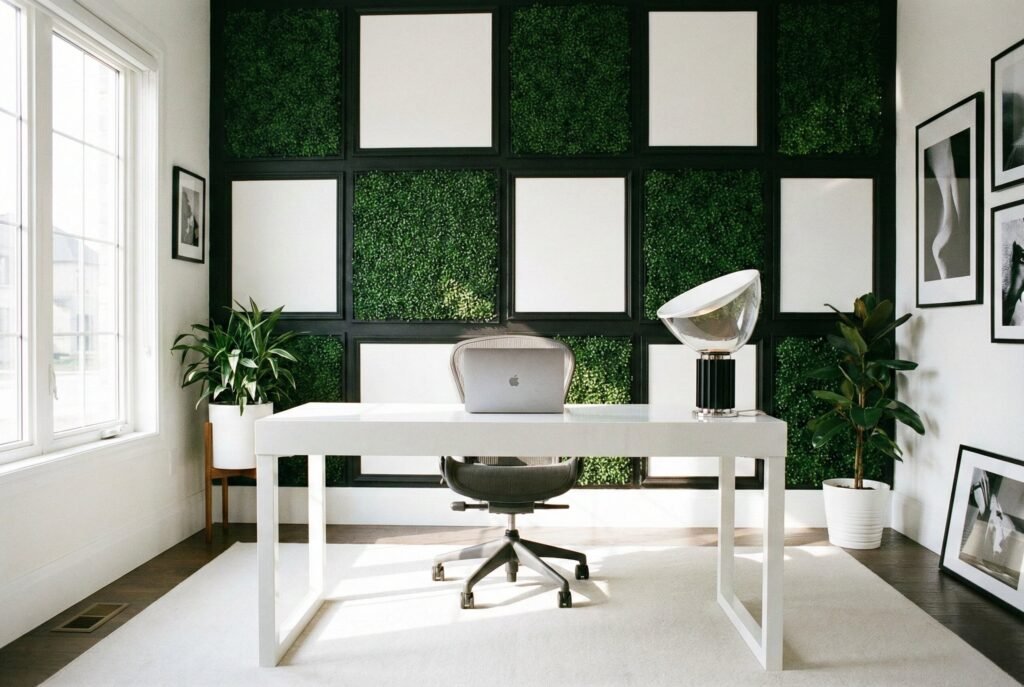
Remote work requires a professional and tidy background for video calls. A standard bookshelf or blank wall can feel cluttered or boring. An artificial hedge wall provides a clean, vibrant, and distraction-free backdrop that looks great on camera.
Why It Works:
It signals a dedicated workspace and boosts productivity by introducing biophilic design elements—the concept that humans connect better with nature. The uniform green color is easy on the eyes and prevents screen fatigue.
Design Tip:
Frame the green section with sleek black or white molding to make it look like a large piece of living art. Keep the rest of the office neutral to let the wall pop.
3. Transform a Dull Balcony into a Lush Oasis
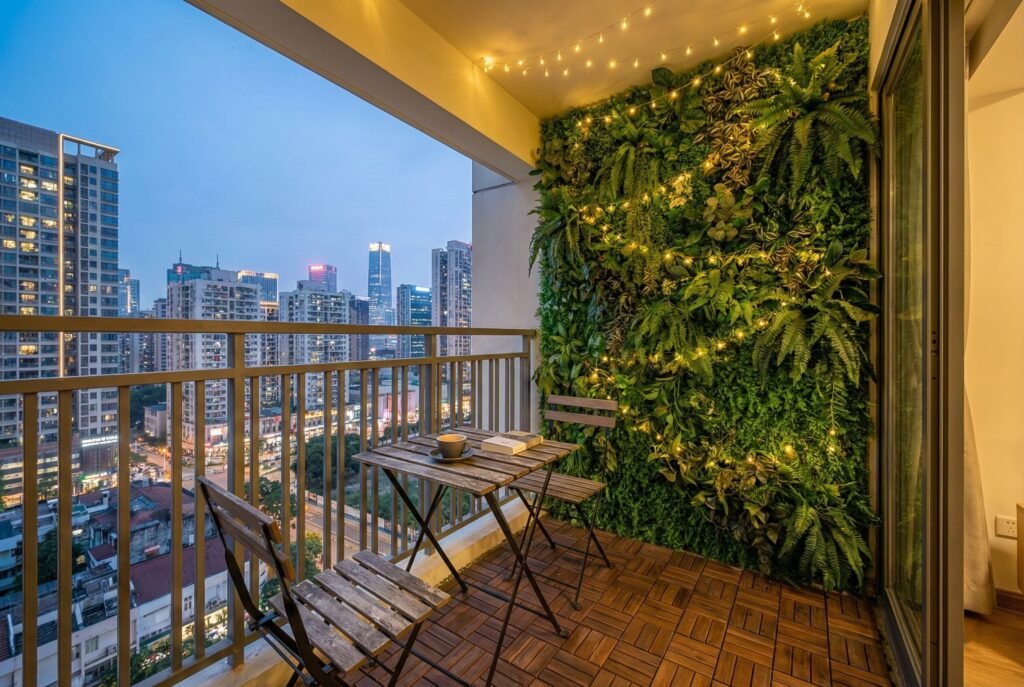
City apartments often come with concrete balconies that feel cold and uninviting. Artificial grass walls are perfect for these small outdoor spaces because they don’t take up floor space. Covering a concrete divider or railing with turf panels instantly warms up the area.
Why It Works:
It maximizes privacy without blocking airflow. Unlike real plants, you don’t need to worry about watering schedules or carrying heavy bags of soil through your apartment. It stays green all year round, regardless of the weather.
Design Tip:
Pair the vertical grass with wood deck tiles on the floor. Add string lights and a small bistro table to create a cozy evening retreat.
4. Design a Unique Headboard in the Bedroom
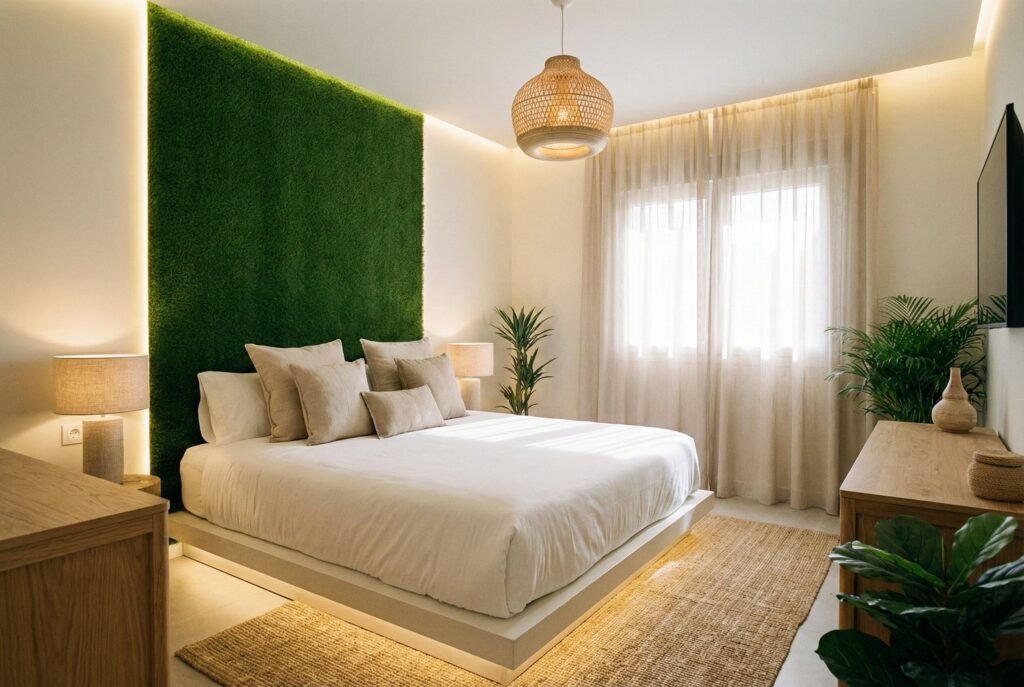
Traditional upholstered headboards are common, but a grass wall headboard creates a unique, nature-inspired bedroom suite. This design choice works exceptionally well in boho, minimalist, or industrial-style bedrooms.
Why It Works:
It adds softness and organic texture to the room where you rest. The deep green hues promote relaxation and sleep. It is also hypoallergenic, unlike real plants that might carry pollen or mold spores.
Design Tip:
Extend the greenery all the way to the ceiling to make the room feel taller. Keep bedding white or neutral linen to maintain a spa-like atmosphere.
5. Enhance Curb Appeal with Exterior Privacy Screens
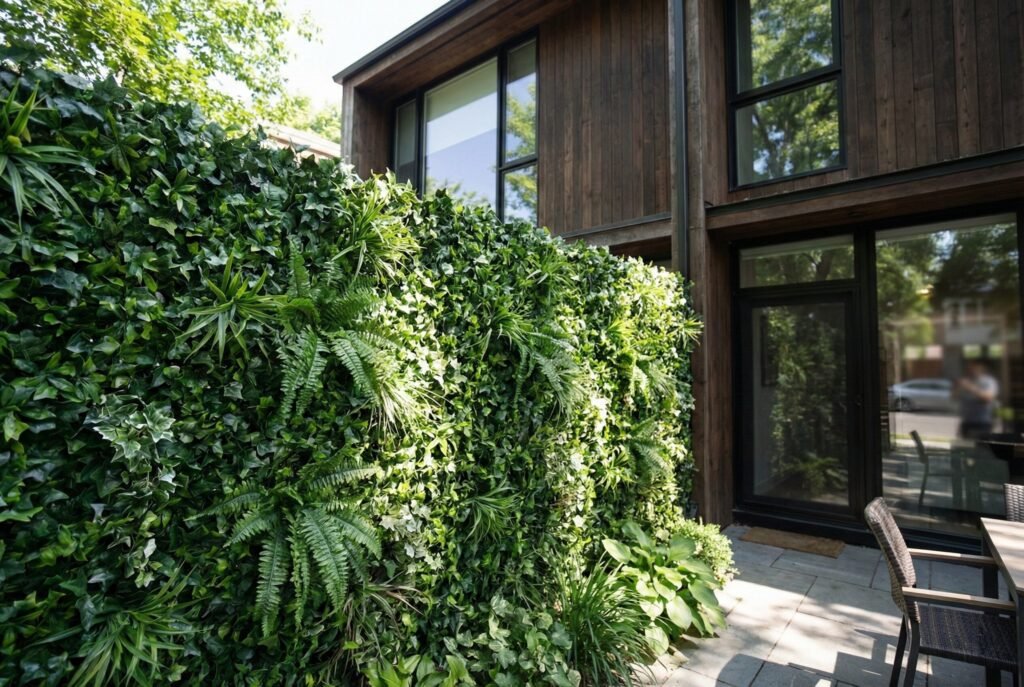
Fences and exterior walls can look stark. Cladding a gate or a section of your exterior fence with artificial ivy or boxwood panels increases privacy and improves curb appeal. It turns a functional barrier into a design feature.
Why It Works:
It blocks the view from neighbors effectively while looking better than a plain wood or chain-link fence. The UV-resistant materials used in high-quality artificial turf prevent fading, even in direct sunlight.
Design Tip:
Use mixed foliage panels that include ferns and lavender sprigs for a more natural, “wild” garden look rather than a manicured lawn look.
6. Create a “Selfie Wall” for Parties and Events

If you host dinners, birthdays, or run a commercial venue, a dedicated photo wall is a must-have. Artificial grass walls are the industry standard for event backdrops because they are durable and photogenic.
Why It Works:
It encourages guests to take photos and share them on social media, which is great for memory-keeping or business marketing. The solid green background makes skin tones look good and allows props to stand out.
Design Tip:
Make it modular. Use a portable frame so you can move the wall around. decorate it with removable silk flowers, balloons, or themed banners, depending on the occasion.
7. Green Up the Bathroom
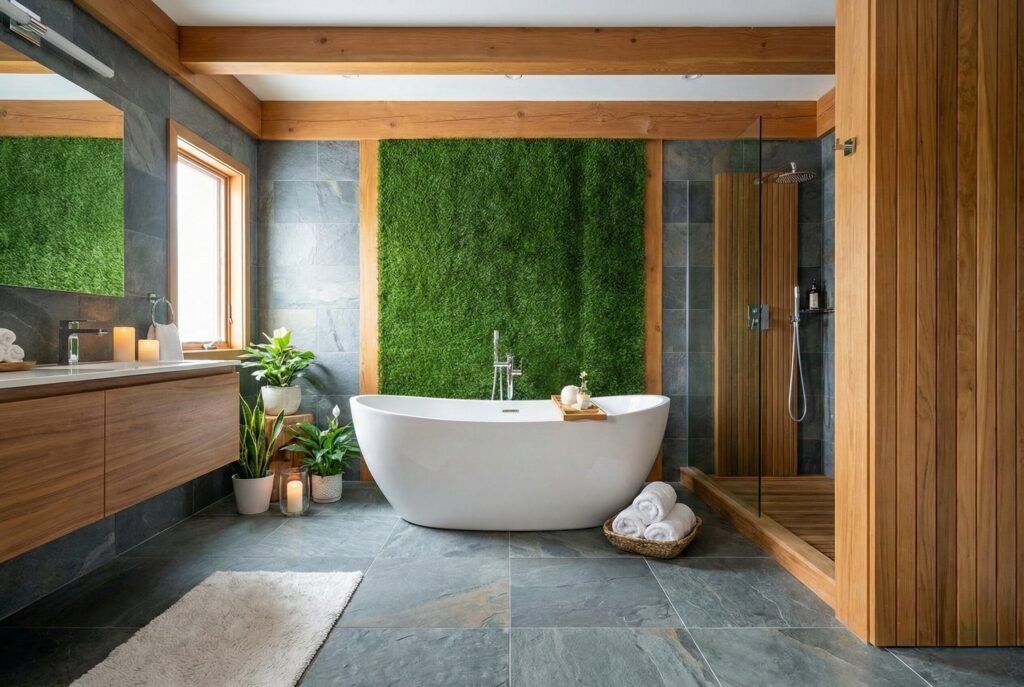
Bathrooms often lack natural light, making it difficult to keep real plants alive. Artificial green walls are the perfect solution for adding a spa vibe to a windowless bathroom or powder room.
Why It Works:
Synthetic materials are resistant to humidity and moisture, unlike some wallpapers that might peel. It creates a striking contrast against white tiles, porcelain sinks, and chrome fixtures.
Design Tip:
Install a small panel of greenery behind the vanity mirror or on the wall above the bathtub. Add bamboo accessories and fluffy white towels to complete the look.
8. Define Zones in an Open Plan Layout

Open-concept homes are popular, but sometimes you need to visually separate the dining area from the living room without building a solid wall. A freestanding divider covered in artificial grass acts as a room separator that feels light and airy.
Why It Works:
It creates a visual break without closing off the space completely. It absorbs sound, which helps reduce noise travel between zones in a large open area.
Design Tip:
Build a half-wall or use a double-sided bookshelf where one side is covered in greenery. This serves as a functional divider that looks good from both angles.
9. Decorate Staircases and Hallways
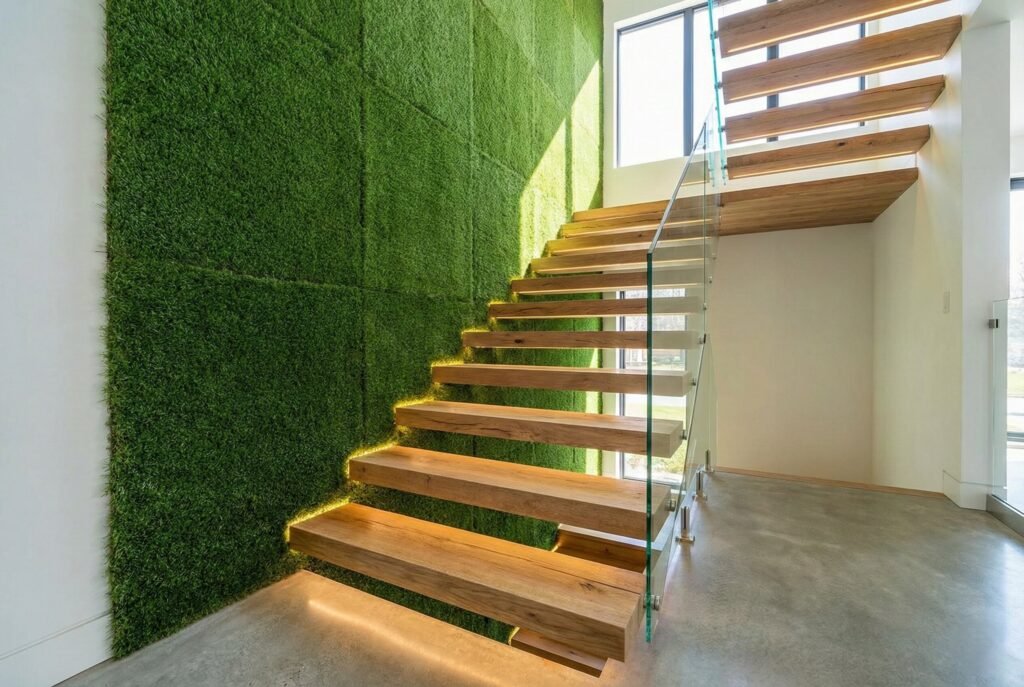
Hallways and stairwells are often neglected “dead spaces” in a house. Lining the wall of a staircase with artificial turf turns a transition area into a journey through nature.
Why It Works:
It adds interest to narrow spaces where furniture doesn’t fit. It protects the wall from scuffs and marks in high-traffic areas. The texture breaks up the monotony of long, flat corridors.
Design Tip:
Install the greenery along the handrail side. Integrate recessed step lighting at the base of the wall to cast shadows up the grass, creating drama and improving safety at night.
10. Revitalize Commercial Retail Spaces and Cafes

For business owners, ambiance is everything. A coffee shop or boutique with a green wall invites customers to stay longer. It signals freshness and eco-friendliness, which are attractive brand values.
Why It Works:
It creates a cozy, acoustic-friendly environment where customers can chat. It also serves as highly shareable decor that customers will post online, providing free advertising.
Design Tip:
Use the green wall to frame your logo or menu board. If you run a cafe, combine the grass wall with rustic wood shelving to display coffee beans or merchandise.
11. Wrap Columns and Pillars
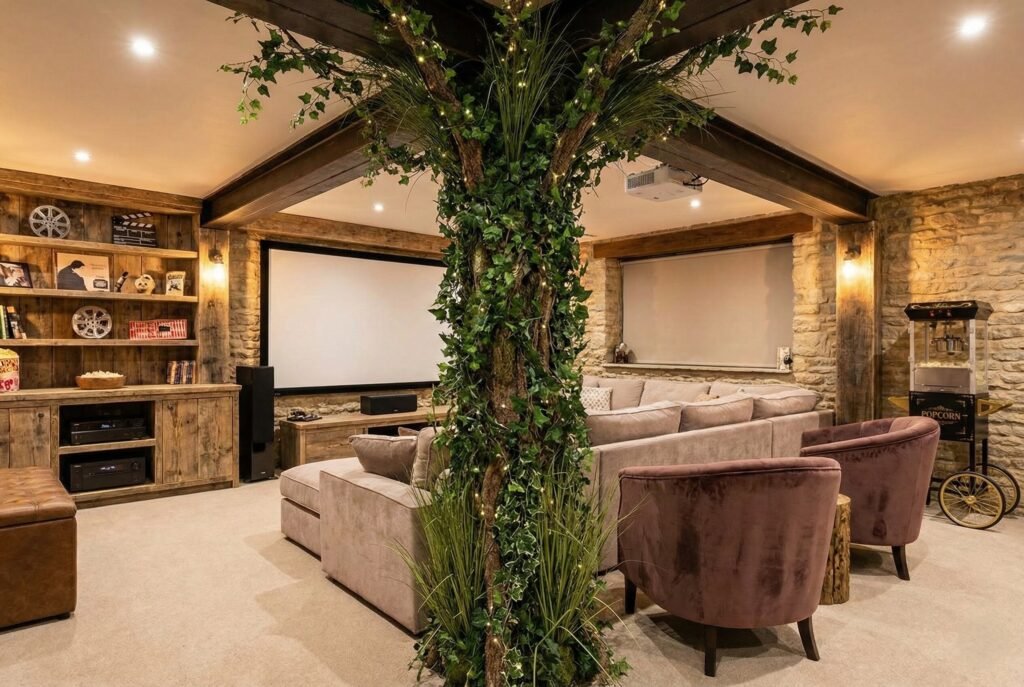
Structural columns in basements or large rooms can be eyesores. Instead of trying to hide them with paint, turn them into tree-like features by wrapping them in artificial foliage mats.
Why It Works:
It turns an obstruction into a design feature. It softens the hard edges of square concrete pillars and makes the room feel more organic.
Design Tip:
For a realistic look, mix different textures. Use a flat turf base and layer on longer fern fronds or ivy vines near the top to mimic a canopy.
12. Create a Playful Kids’ Playroom
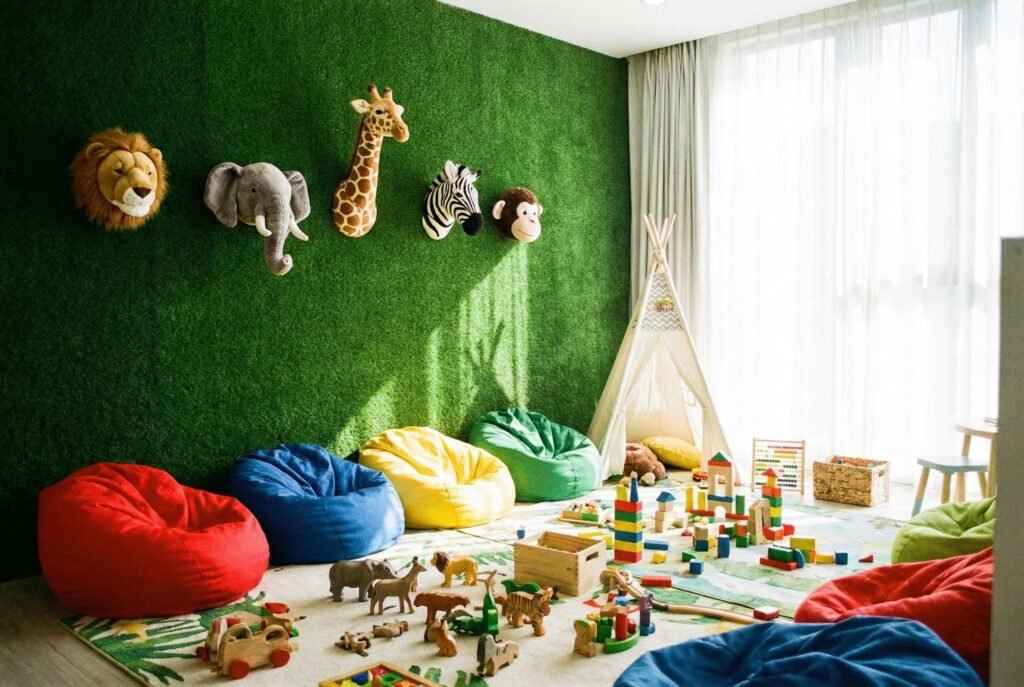
Children love bright colors and tactile surfaces. An artificial grass wall in a playroom creates a “secret garden” vibe that stimulates imagination. It is durable enough to withstand ball games and rough play.
Why It Works:
It’s soft to the touch and easy to clean if it gets dusty. It provides a fun theme foundation for jungle, safari, or woodland room designs.
Design Tip:
Add colorful climbing holds (if the wall is reinforced) or mount animal heads (plush or cardboard) to the grass wall. You can also incorporate a reading nook with bean bags right next to the “grassy” area.
13. Frame Your TV or Entertainment Center
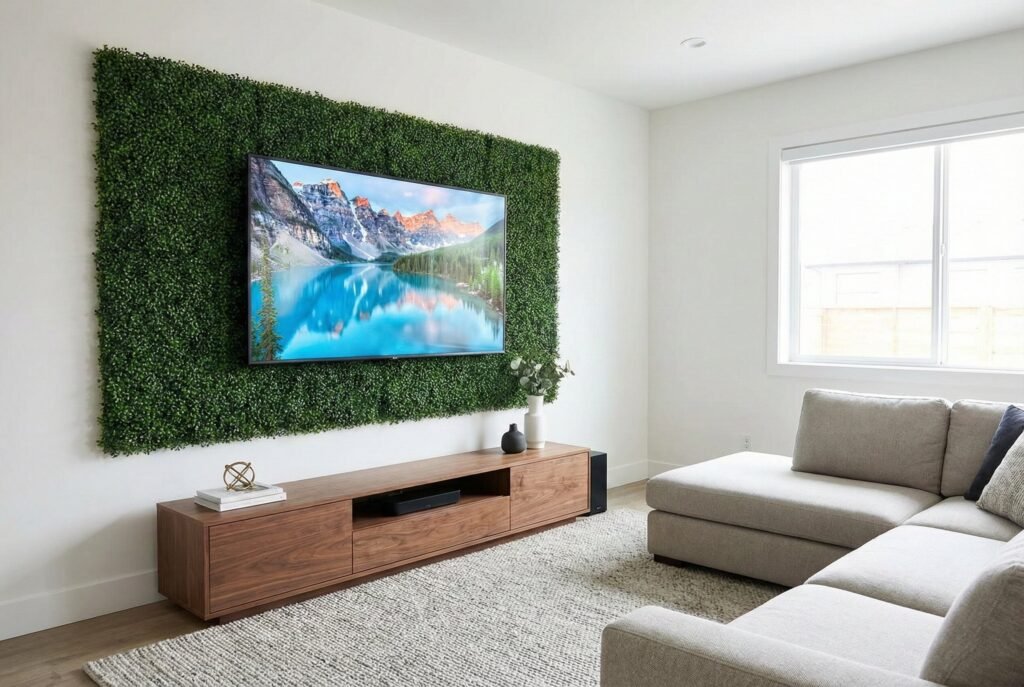
Wall-mounted TVs often look like black voids when turned off. Framing your television with a border of artificial grass integrates the technology into the decor seamlessly.
Why It Works:
It reduces the visual dominance of the screen. The texture of the grass absorbs glare and improves the acoustic quality of the room for movie nights.
Design Tip:
Don’t cover the whole wall if it feels too heavy. Just create a wide border or “frame” of greenery around the TV mount. Hide all cables behind the foliage panels for a clean look.
Key Benefits of Using Artificial Grass Walls
Understanding the value of synthetic foliage helps in justifying the investment.
- Zero Maintenance: No watering, pruning, fertilizing, or pest control is required.
- Durability: High-quality panels are UV-treated to prevent fading and can last for years indoors and outdoors.
- Versatility: You can cut panels to fit any shape, curve, or corner.
- Allergy-Free: Perfect for families with hay fever or pollen sensitivities.
- Sound Absorption: The dense layers of plastic leaves help dampen noise in echo-prone rooms.
Installation Basics: How to Put Up Your Green Wall
Installing artificial grass panels is a DIY-friendly project. Most panels come in 20×20 inch or 40×40 inch squares with interlocking connectors.
Tools You Will Need
- Measuring tape
- Staple gun (for drywall or wood)
- Zip ties (for fences or mesh)
- Heavy-duty scissors or utility knife
- Level
- Drill and screws (for concrete or brick)
Step-by-Step Guide
- Measure the Space: Calculate the total square footage of your wall. Buy 10% extra material to account for cutting and mistakes.
- Prepare the Surface: Ensure the wall is clean and dry. If you are applying it to a dark wall, you might want to paint it green or black first so the wall color doesn’t show through the leaves.
- Connect the Panels: Snap the panels together on the floor before lifting them up. This ensures the pattern flows correctly.
- Fluff the Leaves: The foliage will arrive flat in the box. Use your hands to fluff up the leaves and branches to give them volume.
- Attach to Wall:
- Drywall: Use a staple gun to secure the grid backing of the panel directly to the wall.
- Wood Fence: Use wood screws or staples.
- Chain Link/Balcony Rail: Use green zip ties to secure the panels to the metal.
- Brick/Concrete: Install a plywood board first, or use masonry screws with washers.
- Trim the Edges: Use your scissors to cut off any excess overhang for a crisp finish.
Maintenance Tips for Longevity
While artificial grass is low maintenance, a little care keeps it looking fresh.
- Dusting: For indoor walls, use a feather duster or a vacuum cleaner with a brush attachment on a low setting once a month.
- Rinsing: For outdoor walls, simply hose them down with water to remove dust and pollen.
- Shining: If the leaves look dull after a few years, you can buy specialized silk plant sprays that restore the shine and repel dust.
Conclusion
Artificial grass walls offer endless possibilities for creativity. They bridge the gap between modern architecture and the natural world, providing a lush, green aesthetic without the hassle of real gardening. Whether you are looking to create a cozy reading corner, a professional Zoom backdrop, or a vibrant party feature, synthetic greenery is a smart, stylish, and sustainable choice. Start small with a single panel or go big with a full wall transformation to breathe new life into your space.