

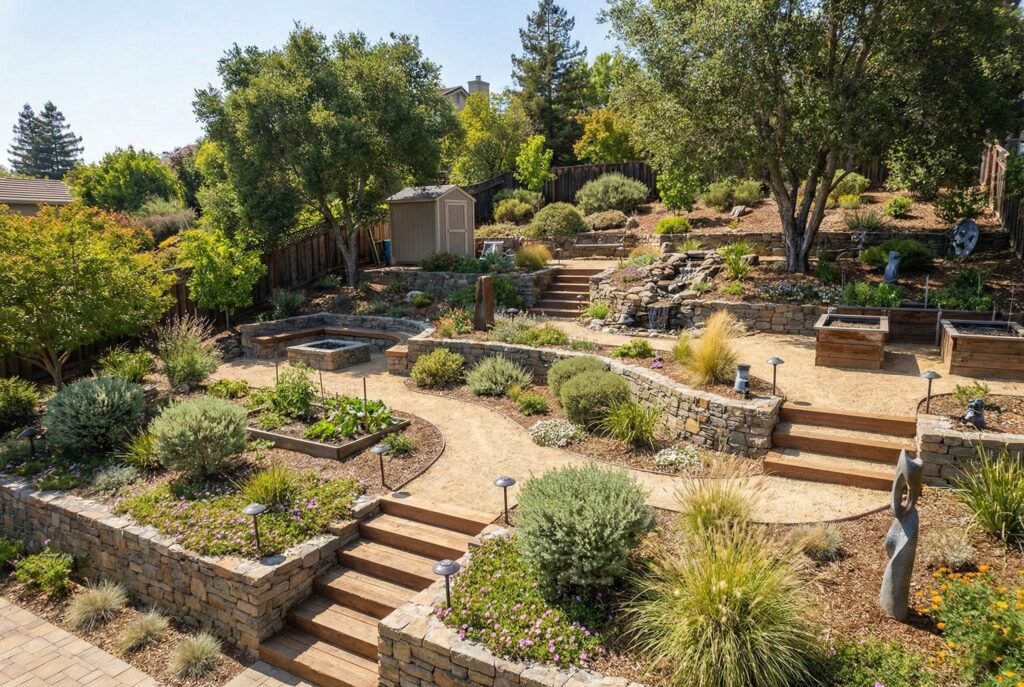
A sloped yard is often seen as a difficult challenge for homeowners. If you have a hilly backyard or a steep front lawn, you know the struggles. Mowing is dangerous or impossible. Heavy rain causes soil erosion, leaving bare spots and mud at the bottom of the hill. Perhaps most frustratingly, a steep slope often feels like wasted space where you can’t put a patio, a swing set, or a garden.
However, a sloped yard is also a massive opportunity. A flat yard is functional, but a sloped yard has character. With the right design, a hillside can become the most dynamic and beautiful part of your property. It offers chances for incredible views, multi-level entertaining areas, and dramatic planting schemes that flat gardens cannot achieve.
Taming a slope requires careful planning. You are fighting gravity, so structural integrity and water management are more important than just picking pretty flowers. This guide will walk you through the essential steps to prepare your slope and then provide over 15 detailed ideas to turn that troublesome hill into a stunning landscape feature.
Before You Begin: Assessing the Challenge
Before you start digging or buying plants, you must understand what you are working with. Skipping these steps can lead to expensive failures later.
Understanding the Grade
The steepness of your slope dictates what you can do yourself and when you need a professional engineer. A gentle slope is easy to manage with plants. A very steep incline will require heavy-duty retaining walls.
If your slope rises more than one foot for every three feet of horizontal distance, it is considered steep. For anything steeper than this, or for walls over four feet tall, you should consult a landscape architect or structural engineer to ensure safety.
Dealing with Drainage
Water is the enemy of a sloped yard. When it rains, water rushes down the hill, taking topsoil and mulch with it. This is called erosion. Your landscaping plan must include a way to slow down and redirect water.
If you do not manage drainage, your new plants will wash away, and your retaining walls could collapse from the pressure of water building up behind them. We will discuss solutions like French drains and dry creek beds later in this guide.
The Core Solutions: Terracing and Retaining Walls
Almost all successful sloped yard designs rely on one primary strategy: turning a steep slope into a series of level steps. This process is called terracing.
Terracing not only stops erosion by flattening the land in sections, but it also creates usable flat space for gardens or seating. To create these terraces, you need retaining walls.
Retaining Wall Materials
Retaining walls hold back the soil behind them. The material you choose depends on your budget, the height of the wall, and your aesthetic style.
- Natural Stone: This is expensive but beautiful. Stone walls look organic and last forever. They are great for rustic or cottage-style gardens.
- Concrete Blocks: Modern interlocking concrete blocks are very strong and engineered specifically for retaining walls. They come in many colors and textures. They are generally easier to install than natural stone.
- Pressure-Treated Timber: Wood is a budget-friendly option and looks very natural. However, wood will eventually rot, even if treated. Timber walls do not last as long as stone or concrete.
- Gabion Walls: These are wire cages filled with rocks. They have a modern, industrial look and provide excellent drainage because water flows right through the rocks.
15+ Detailed Landscaping Ideas for Sloped Yards
Here are practical ideas to inspire your hillside transformation. These range from structural projects to planting solutions.
1. The Classic Multi-Level Terrace Garden
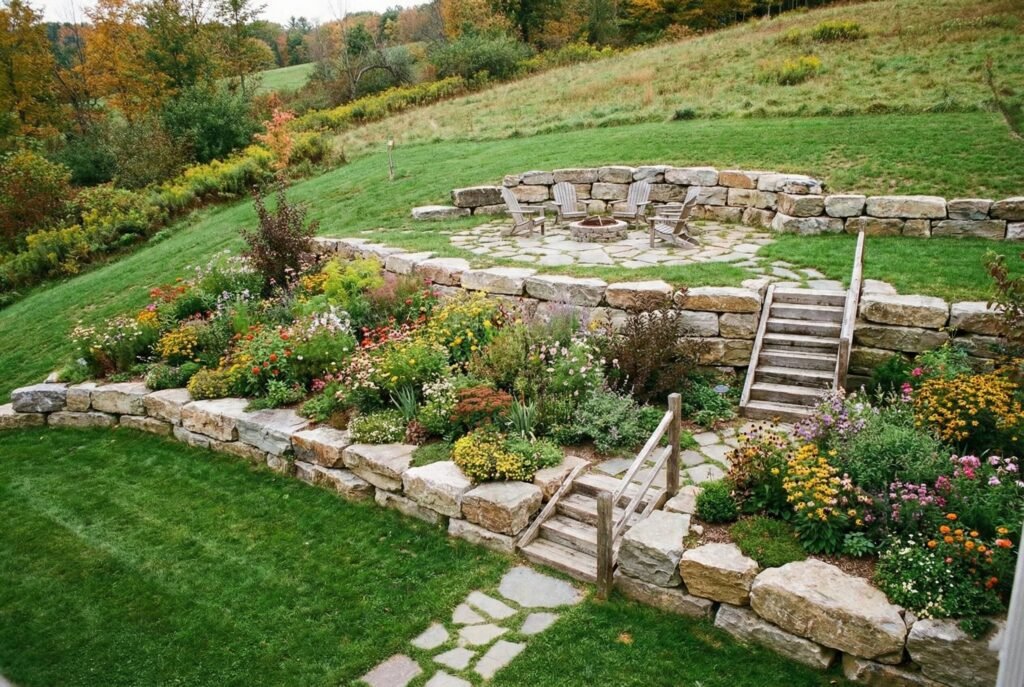
This is the most common and effective solution for significant slopes. By building two, three, or more retaining walls, you create distinct “rooms” in your yard.
The top level might be a patio for dining with a view. The middle level could be for ornamental plants or a vegetable garden. The lowest level could remain lawn for pets or kids. This approach completely maximizes usable space. Use stairs to connect the different levels, enticing people to explore the entire yard.
2. Rustic Timber Tie Walls
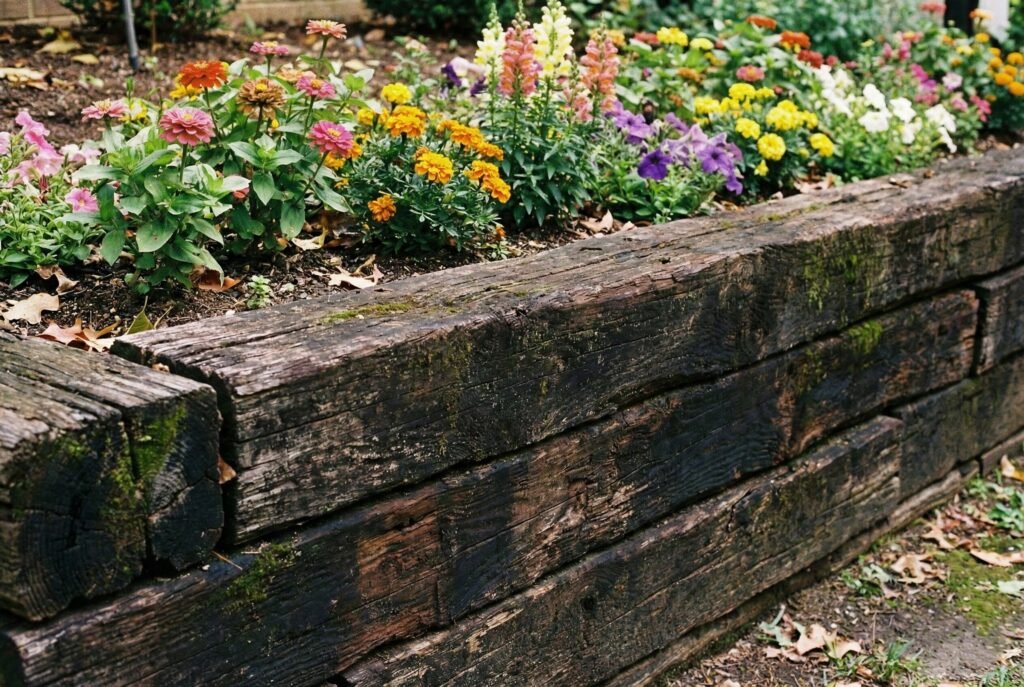
For a warmer, more natural look, use large timber ties to create your terraces. This is often a DIY-friendly project for shorter walls (under three feet). The wood blends beautifully in wooded settings or cabin-style homes.
Pro Tip: Ensure you use timber rated for ground contact to get the longest lifespan out of the wood.
3. Mass Planting Ground Cover for Erosion Control
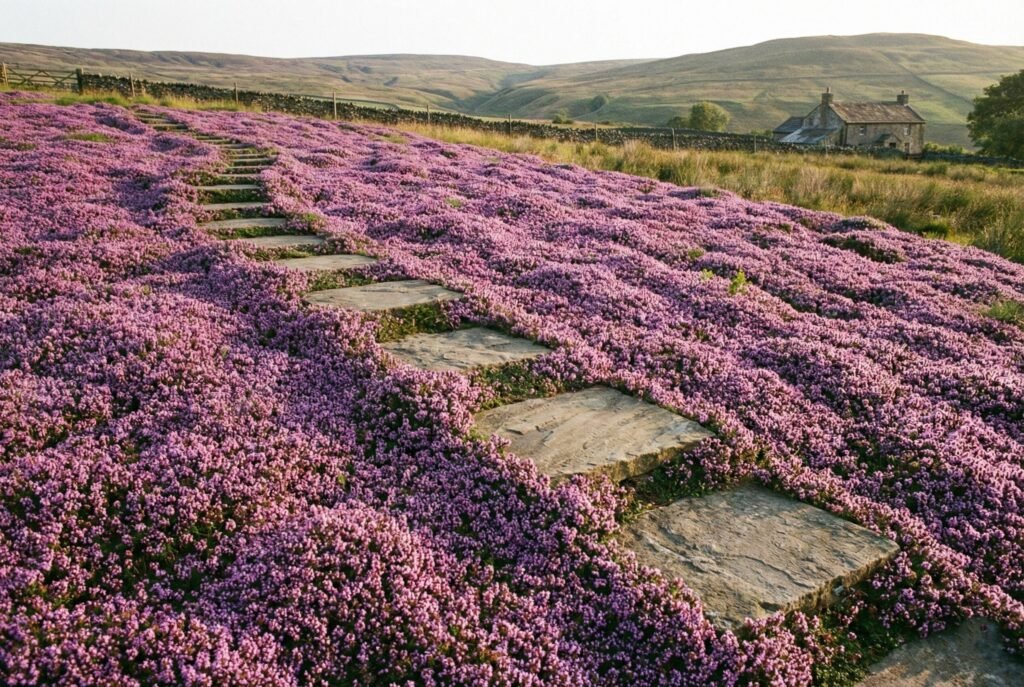
If you don’t need flat space and just want to stop mowing and erosion, mass planting is the answer. Instead of grass, plant deep-rooted ground covers that will knit the soil together.
Plants like Creeping Juniper, Vinca Minor (Periwinkle), or Creeping Thyme form dense mats. Once established, they require very little maintenance and prevent weeds. They turn a problem slope into a lush carpet of green or color.
4. Meandering Flagstone Pathways
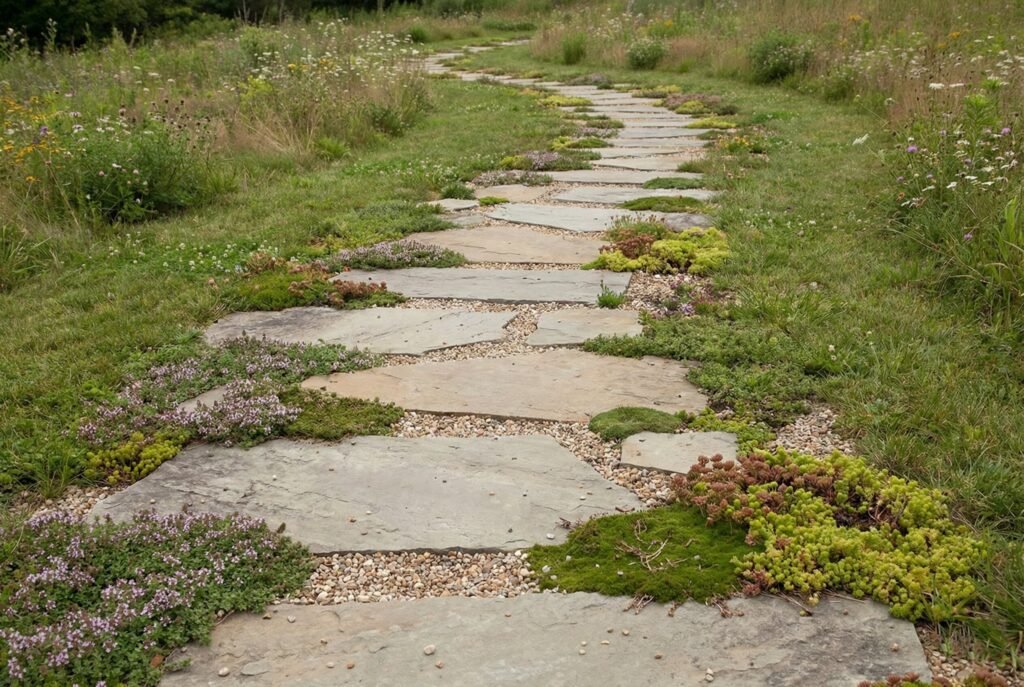
A straight path up a steep hill is exhausting to walk. Instead, create a winding, switchback path using flagstone or stepping stones.
A curving path softens the look of the slope and makes the journey to the top easier. By setting heavy stones into the slope, you also add stability to the soil. Fill the gaps between stones with creeping plants or gravel to prevent soil from washing away in the rain.
5. The Dry Creek Bed Drainage Feature
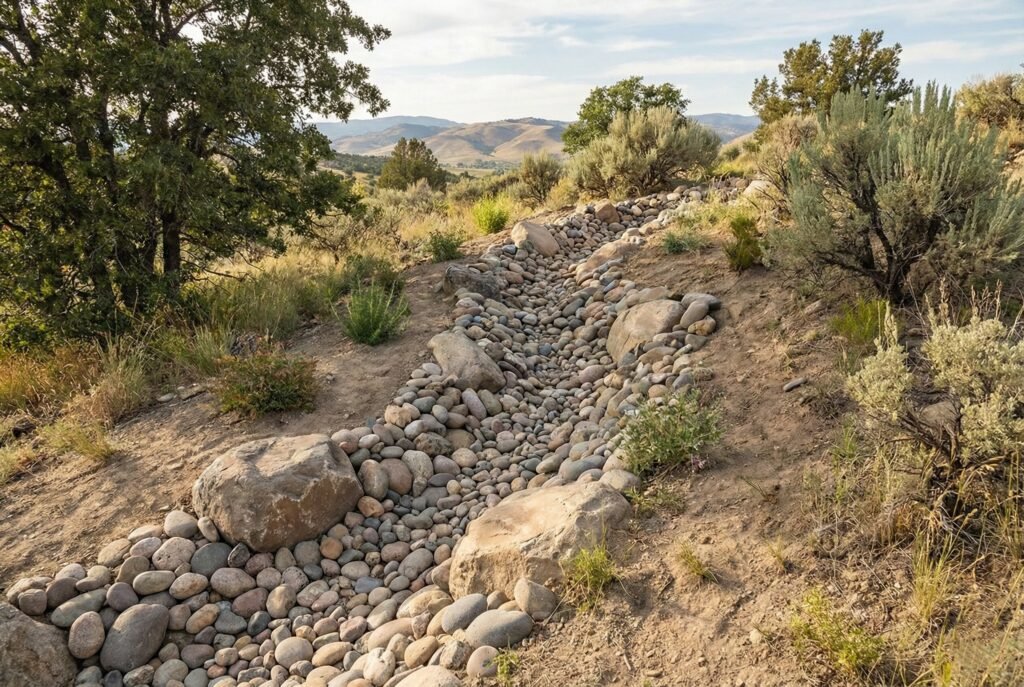
Turn a functional drainage need into a beautiful focal point. A dry creek bed is a shallow trench lined with landscape fabric and filled with river rocks and boulders.
When it rains, the creek bed captures runoff and safely guides it down the slope without causing erosion. When it’s dry, it looks like a natural, decorative rocky stream. Plant ferns, hostas, or ornamental grasses along the edges to enhance the natural look.
6. The Floating Deck Viewpoint
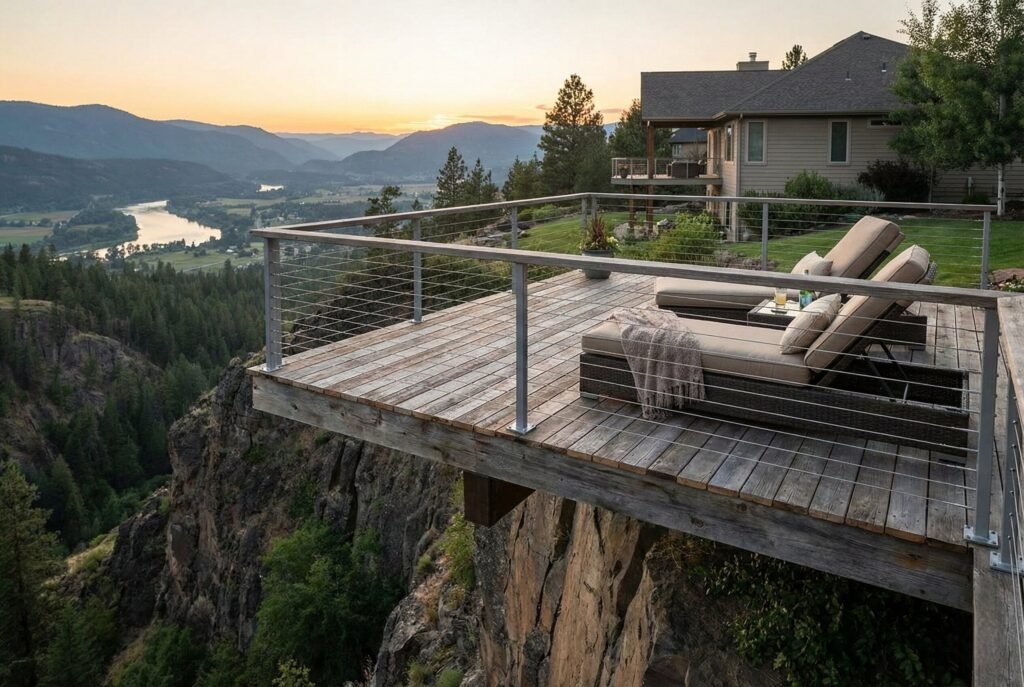
If your slope is too steep for retaining walls, consider building “over” it. A cantilevered or “floating” deck is anchored at the top of the slope and extends out over the drop.
This creates an amazing observation platform and requires minimal disturbance to the hillside soil. It’s an excellent solution for very steep slopes where you want a flat entertaining space without massive excavation.
7. Tiered Vegetable Garden Beds
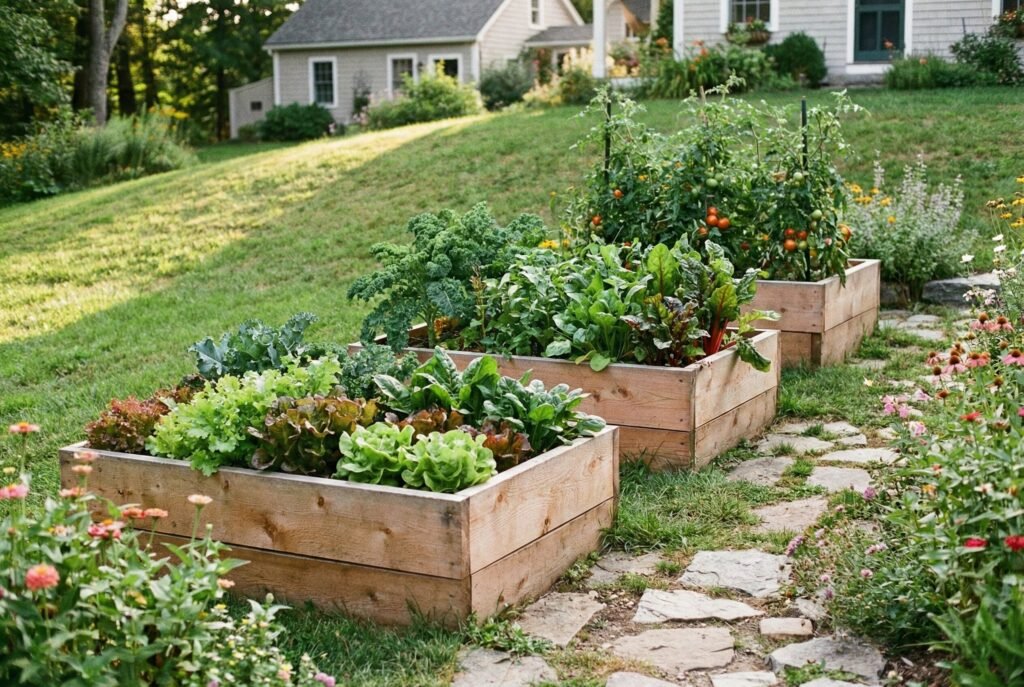
Slopes often get great sun exposure, making them ideal for vegetable gardening. Instead of one giant retaining wall, build a series of smaller, wooden raised beds that step down the hill.
This makes tending the garden easy on your back because you don’t have to bend over as far. The terraced beds also drain well, which most vegetables prefer.
8. Natural Boulder Accents
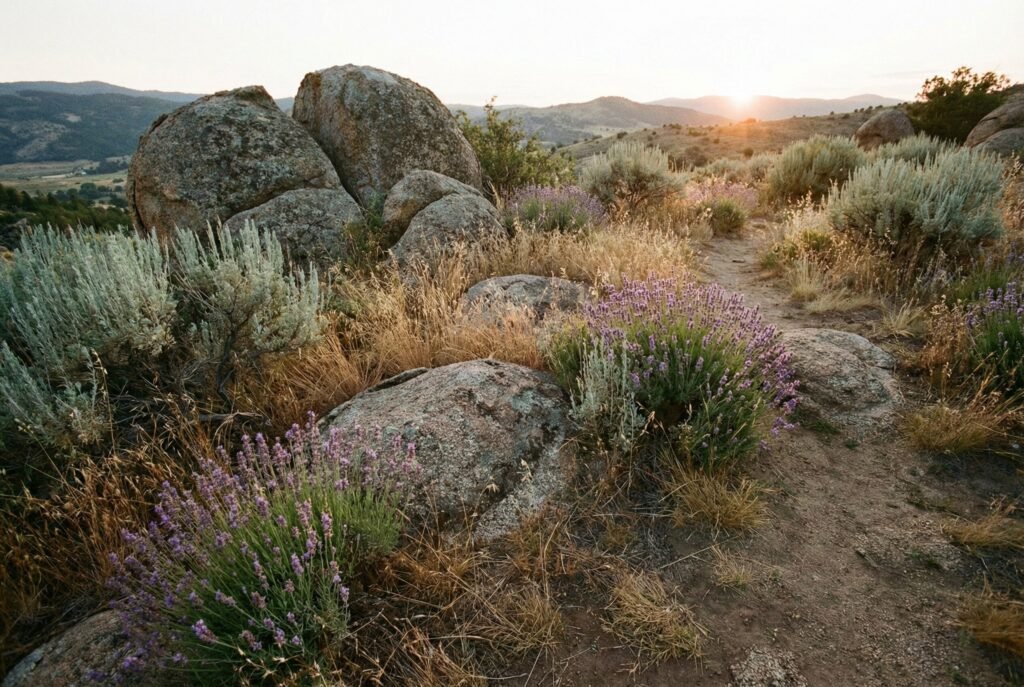
Instead of a formal wall, use large, varied boulders to anchor the soil. Burying almost half of a large boulder into the slope provides significant structural support.
Arrange boulders in natural-looking groups. Plant native grasses and flowering perennials around them. This creates a rugged, alpine aesthetic that looks like it belongs in nature, rather than a constructed garden.
9. The Sunken Patio Retreat
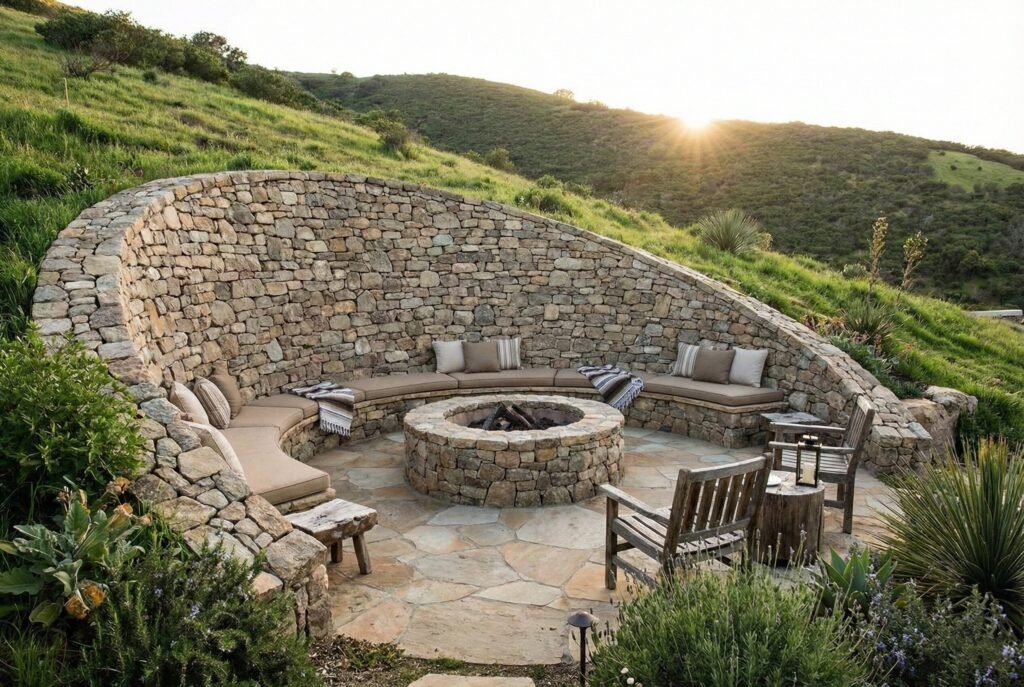
Carve out a space in the middle of the slope for a secluded patio. You will need a retaining wall behind the patio to hold back the hill.
This creates a cozy, sheltered “sunken” feeling. It offers privacy from neighbors and protection from the wind. A fire pit is a perfect addition to a sunken patio, making it a destination for cool evenings.
10. A Hillside Water Feature
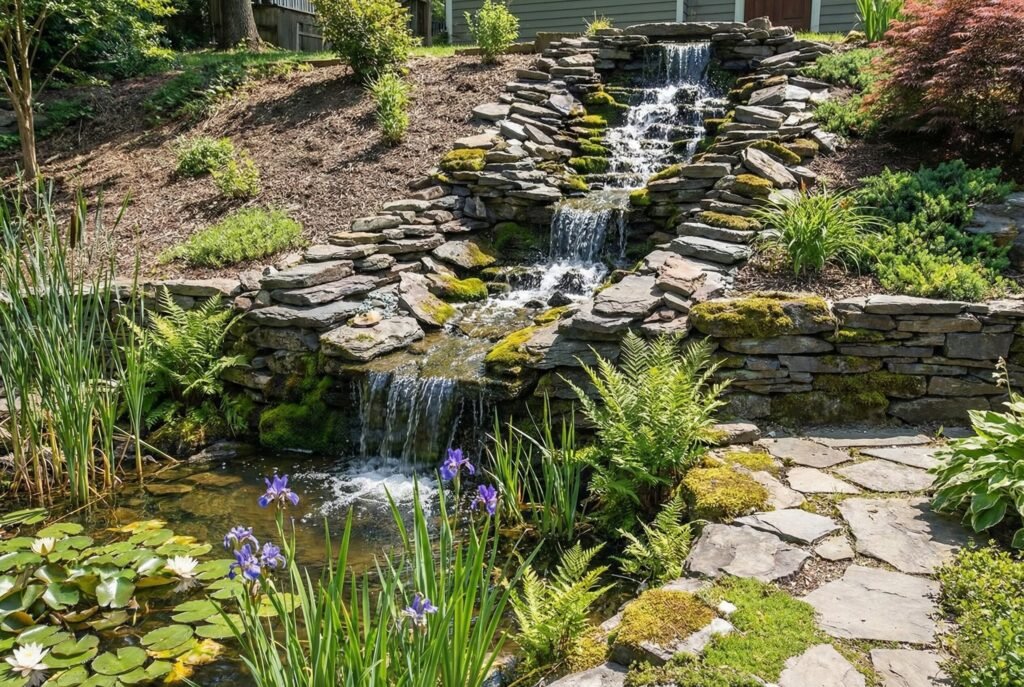
Use gravity to your advantage. A slope is the perfect setting for a waterfall or a cascading stream.
The water can tumble down over rocks and flow into a pond or a pondless reservoir at the bottom, where a pump sends it back to the top. The sound of running water is incredibly relaxing and helps mask noise from nearby roads.
11. Grand Landscape Staircase
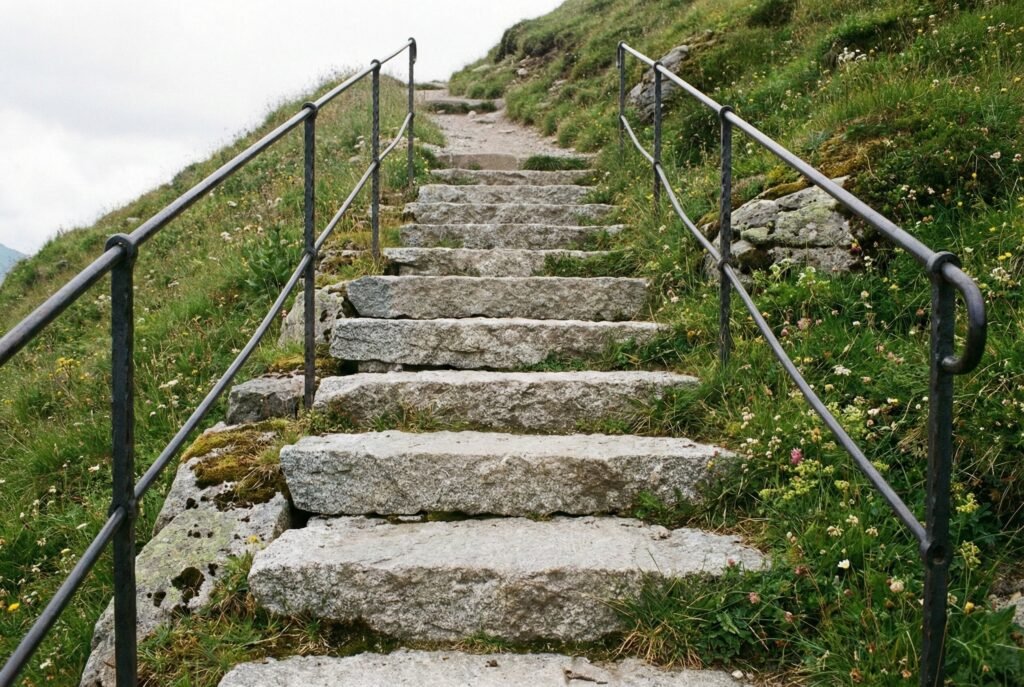
Make moving between levels safe and elegant with a dedicated staircase. On a steep slope, stairs are a necessity, not just a design feature.
Use materials that match your retaining walls for a cohesive look. Wide, deep steps are easier to climb than narrow, steep ones. Consider adding low-voltage lighting to the steps for safety and a dramatic nighttime look.
12. The Built-In Hillside Slide
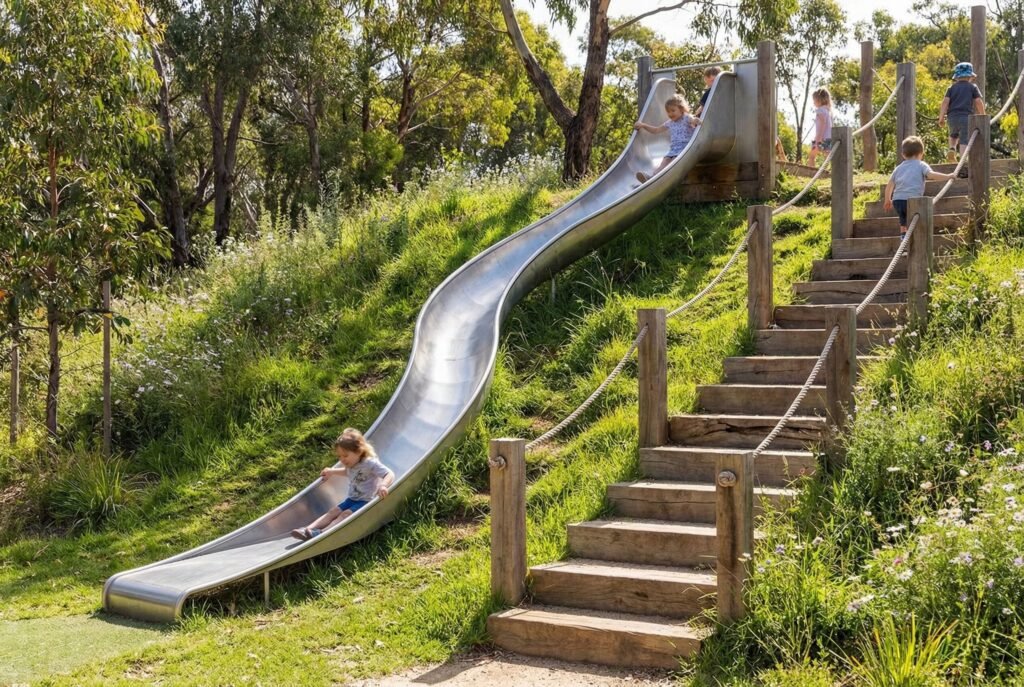
If you have children, turn the slope into the ultimate play feature. Instead of a freestanding swing set, embed a large slide right into the hill.
This is safer than a traditional high slide because the child is never far from the ground. You can surround the slide area with soft mulch or rubber play tiles. It’s a fun, creative use of space that kids will love.
13. The Ornamental Grass Meadow
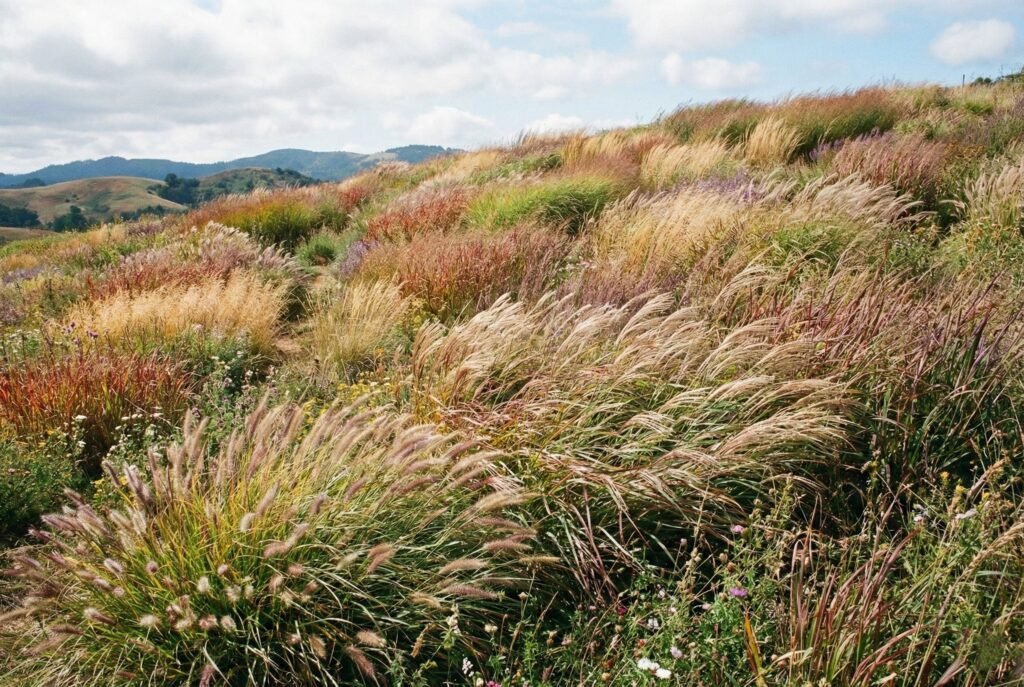
For a modern, breezy look that requires little maintenance, plant the slope entirely with ornamental grasses. Mix different varieties for varied heights, textures, and colors, like blue fescue, tall switchgrass, and fluffy fountain grass.
Their extensive root systems are excellent at holding soil in place. They look beautiful swaying in the wind and provide winter interest even when dormant. You only need to cut them back once a year in late winter.
14. Dramatic Slope Lighting
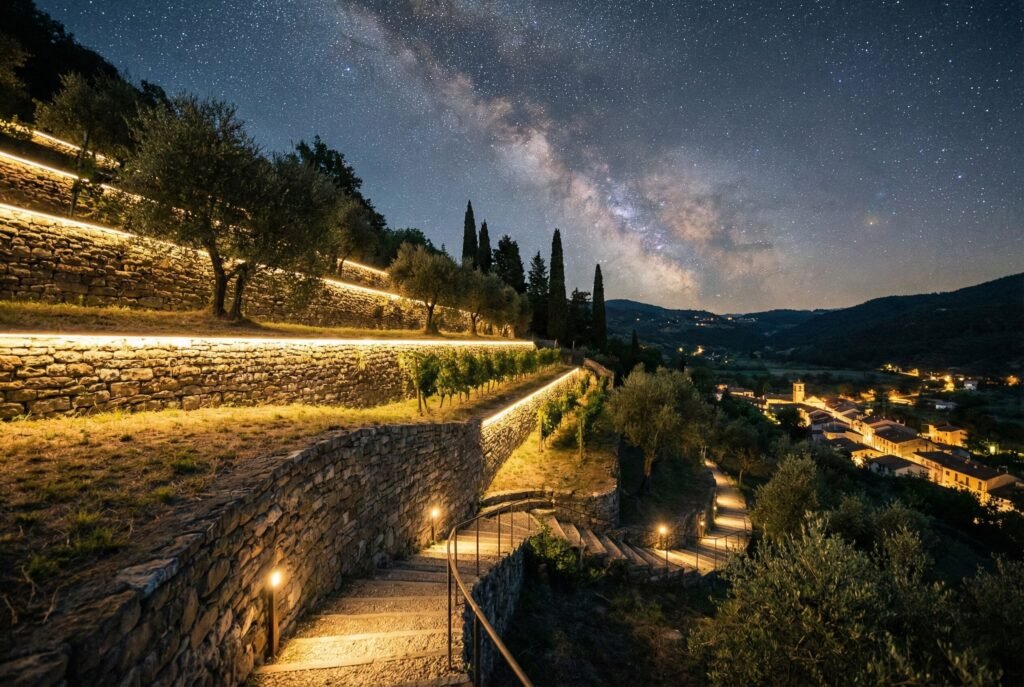
Don’t let your beautiful slope disappear when the sun goes down. Lighting is crucial for safety on uneven terrain, but it also highlights the architecture of your yard.
Use up-lighting to shine light on trees or highlight the texture of stone retaining walls. Use path lights to clearly mark stairs and walkways. Lighting adds depth and drama to the hillside after dark.
15. The Xeriscape Rock Garden
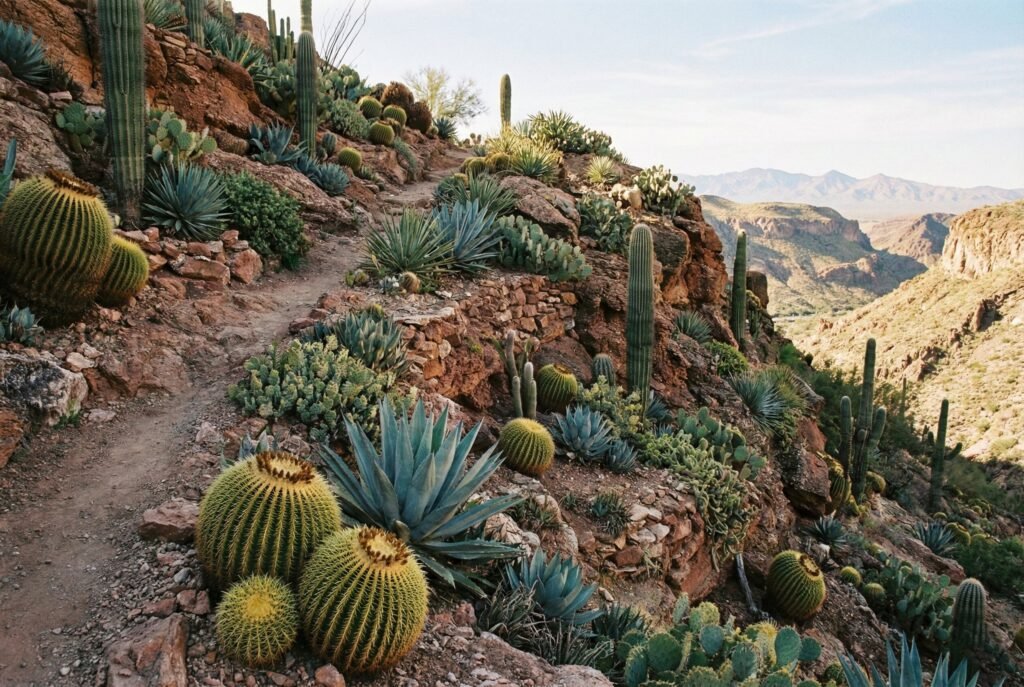
If you live in an arid climate or just want to conserve water, turn your slope into a xeriscape rock garden. These gardens use plants that require very little irrigation.
Steep slopes drain water quickly, which is the perfect environment for succulents, cacti, and Mediterranean herbs like lavender and rosemary. Use gravel mulch instead of wood chips to complete the desert look and keep the plant crowns dry.
Conclusion
Transforming a sloped yard from a landscaping headache into a stunning feature requires effort and planning. The key is to stop fighting the slope and start working with it. Whether you choose to build structural retaining walls to create flat terraces or use deep-rooted plants to stabilize the soil organically, there is a solution for every budget and style.
Remember to prioritize drainage to protect your investment. By implementing these ideas, you can add value to your home, increase your usable outdoor living space, and create a landscape that is uniquely yours. Don’t look at your hill as a burden; look at it as a blank canvas waiting for depth and dimension.