

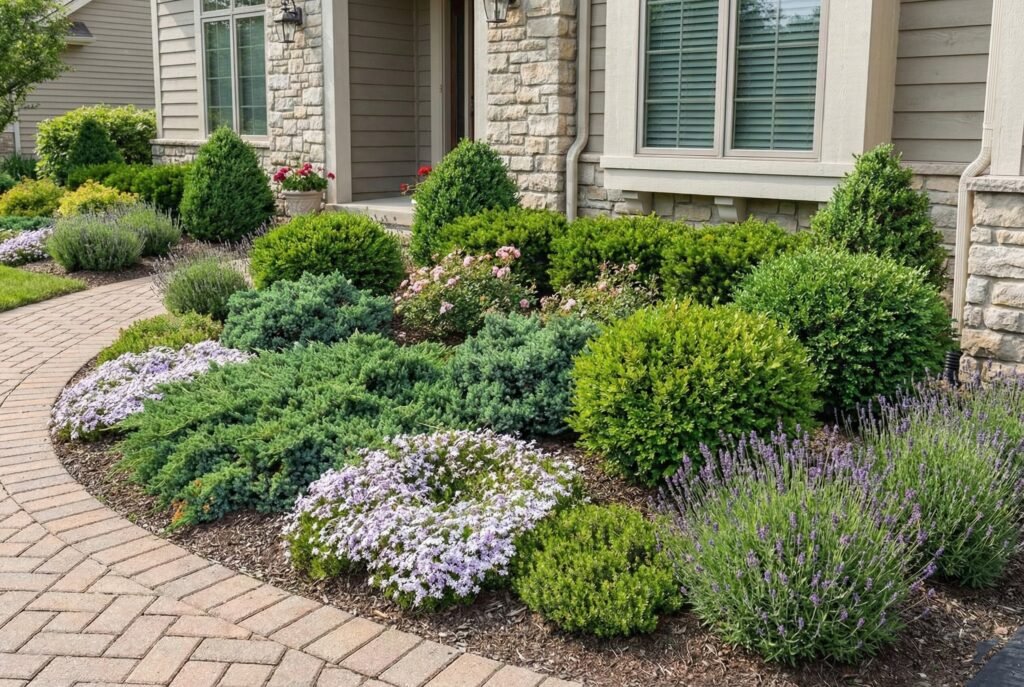
The front of your house is the first thing guests, neighbors, and potential buyers see. While towering trees and colorful annual flowers play their parts, low-growing shrubs are the true backbone of great front yard landscaping. They provide structure, hide unsightly foundations, and boost your home’s curb appeal without blocking your windows or overwhelming your entryway.
Choosing the right foundation plants can feel overwhelming. You need plants that stay relatively small, require minimal pruning, and thrive in your specific climate. This comprehensive guide covers the best low-growing shrubs for the front of your house, detailing their sunlight requirements, soil needs, and hardiness zones so you can make the perfect choice for your landscaping project.
Why Choose Low-Growing Shrubs for Front Yard Landscaping?
Before diving into the plant list, it helps to understand why low-growing shrubs are the ideal choice for foundation planting.
Unobstructed Views and Natural Light
Standard shrubs can quickly grow out of control, blocking your front windows. This not only ruins the look of your house from the street but also stops natural sunlight from entering your living spaces. Low-growing shrubs naturally max out at two to four feet tall, keeping your sightlines clear.
Easy Maintenance and Pruning
Large hedges require frequent trimming with ladders and heavy equipment. Dwarf and low-growing varieties are bred to stay compact. While they may need occasional shaping, you will spend far less time pruning and cleaning up yard waste.
Protecting Your Home Foundation
Planting large trees or massive shrubs near your house can lead to foundation damage as aggressive root systems seek water. Low-growing shrubs typically have shallow, non-invasive root systems that safely coexist with your home’s foundation and underground utilities.
Year-Round Curb Appeal
Many low-growing shrubs are evergreens, meaning they keep their foliage through the winter. This ensures your front yard does not look bare or dead when the colder months arrive. Mixing evergreen and deciduous flowering shrubs gives you a dynamic landscape that changes beautifully with the seasons.
24 Best Low-Growing Shrubs for Your Front Yard
Here is a carefully curated list of the best compact shrubs to elevate your front yard.
1. Winter Gem Boxwood
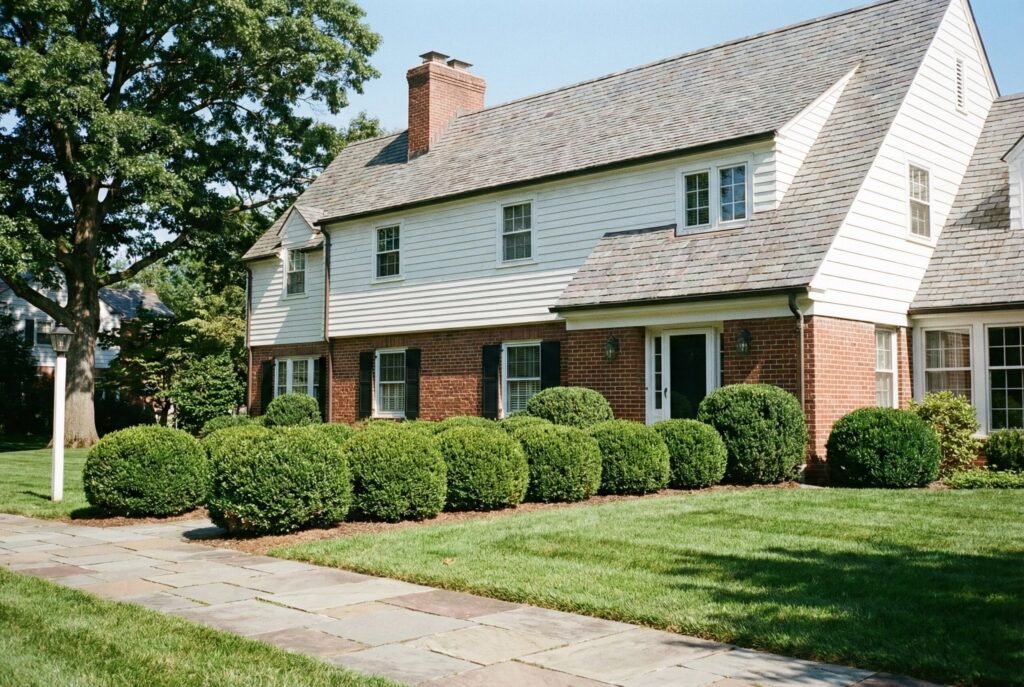
Boxwoods are the classic choice for formal foundation plantings. The Winter Gem variety is a broadleaf evergreen that grows slowly and maintains a dense, rounded shape. It is incredibly easy to shear into formal hedges or spheres. It naturally reaches about three to four feet in height and width. Boxwoods thrive in well-drained soil and can handle full sun to partial shade. They are ideal for USDA Hardiness Zones 5 through 9.
2. Blue Star Juniper
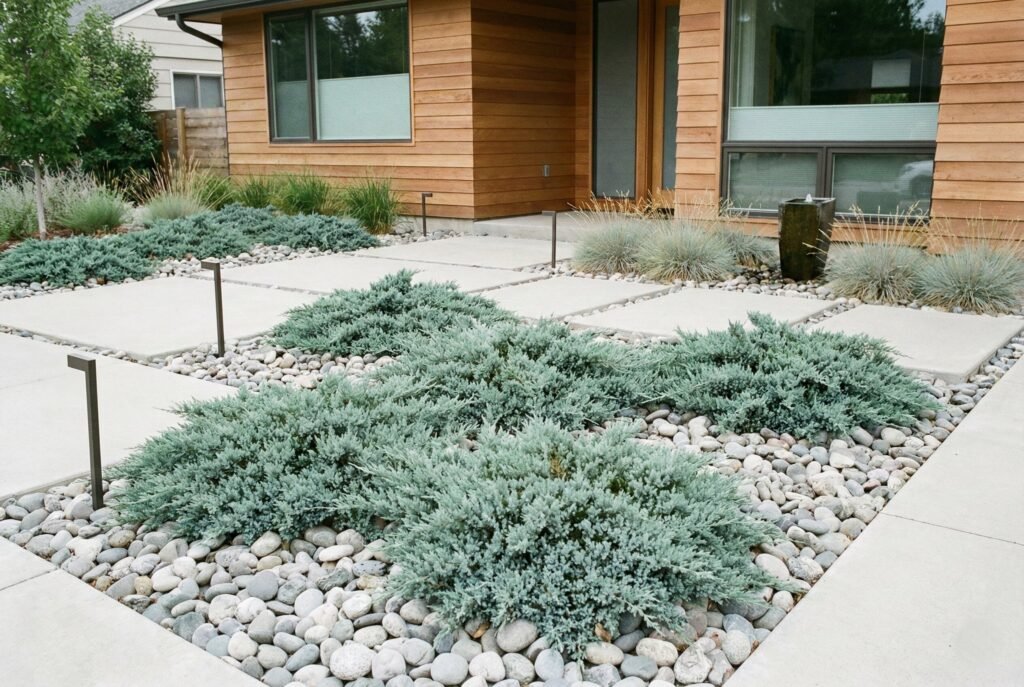
If you want to add a unique texture and color to your front yard, the Blue Star Juniper is an excellent pick. It features striking silvery-blue, needle-like foliage. This evergreen is incredibly low to the ground, usually growing only one to two feet tall and spreading up to three feet wide. It is highly drought-tolerant and loves full sun, making it perfect for dry, hot areas. Plant it in Zones 4 through 8.
3. Slender Deutzia
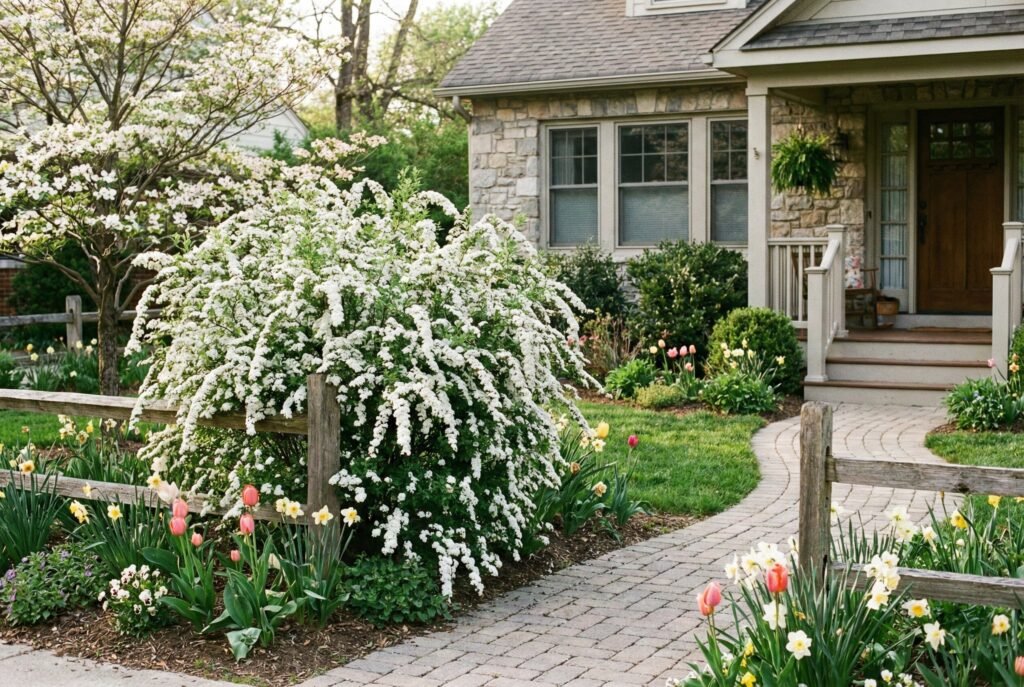
Slender Deutzia is a deciduous shrub that puts on a spectacular show in the spring. It produces massive clusters of tiny, star-shaped white flowers that lightly drape over its arching branches. It grows about two to five feet tall and wide. Once the flowers fade, you are left with neat green foliage that turns a beautiful deep burgundy in the fall. It prefers full sun to partial shade and moist, well-drained soil in Zones 5 through 8.
4. Dwarf Burford Holly
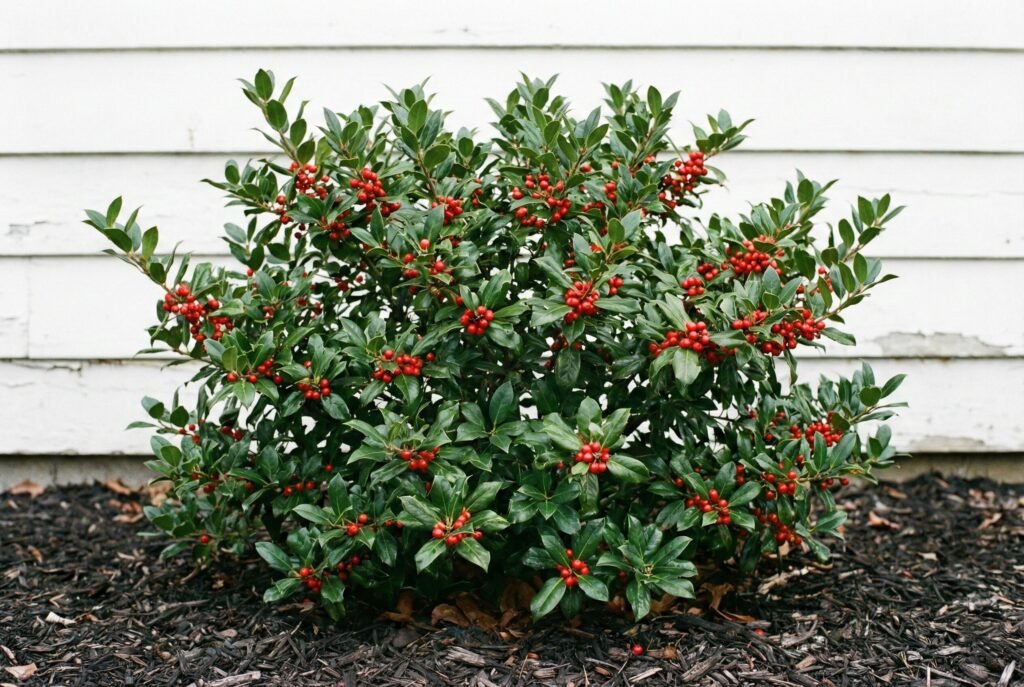
Many holly plants grow into massive trees, but the Dwarf Burford Holly is perfect for foundation planting. It grows densely with glossy, dark green leaves. Unlike other hollies, it has a single spine at the tip of the leaf, making it less prickly. It produces bright red berries in the winter, which look beautiful against the dark foliage. It grows four to six feet tall but is easily kept smaller with pruning. It loves full sun to partial shade in Zones 7 through 9.
5. Bird’s Nest Spruce
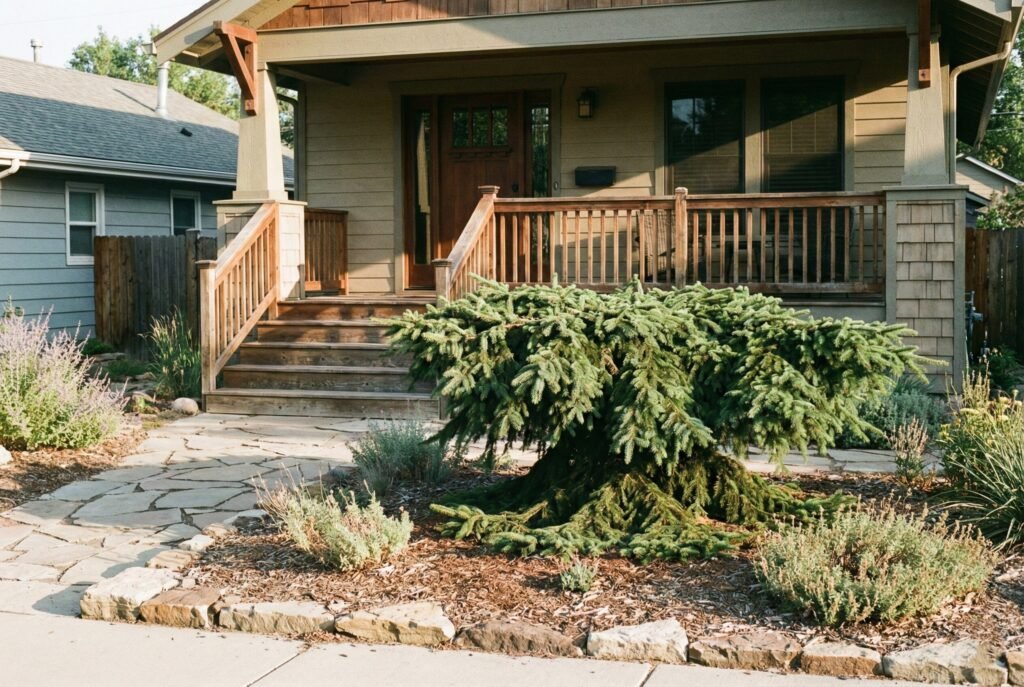
Named for its unique shape, the Bird’s Nest Spruce has a dense, flattened top with a slight depression in the center, resembling a bird’s nest. This slow-growing evergreen has bright light-green needles that darken as they mature. It rarely grows taller than three feet but can spread up to four feet wide. It is highly cold-hardy and requires almost zero pruning. It prefers full sun and well-drained soil in Zones 3 through 7.
6. Little Princess Spirea
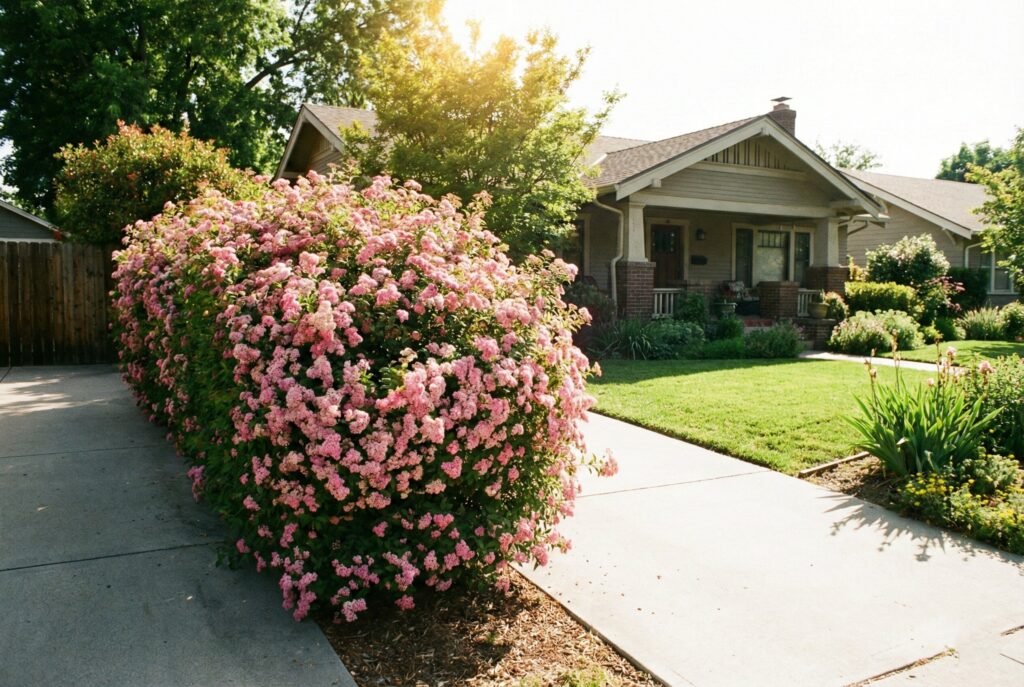
The Little Princess Spirea is a favorite for homeowners who want a pop of summer color. This compact deciduous shrub forms a neat mound about two feet tall and three feet wide. In early summer, it is covered in flat clusters of bright pink flowers. The mint-green foliage turns an attractive dark red in the fall. It is very fast-growing, deer-resistant, and thrives in full sun across Zones 4 through 8.
7. Dwarf English Laurel
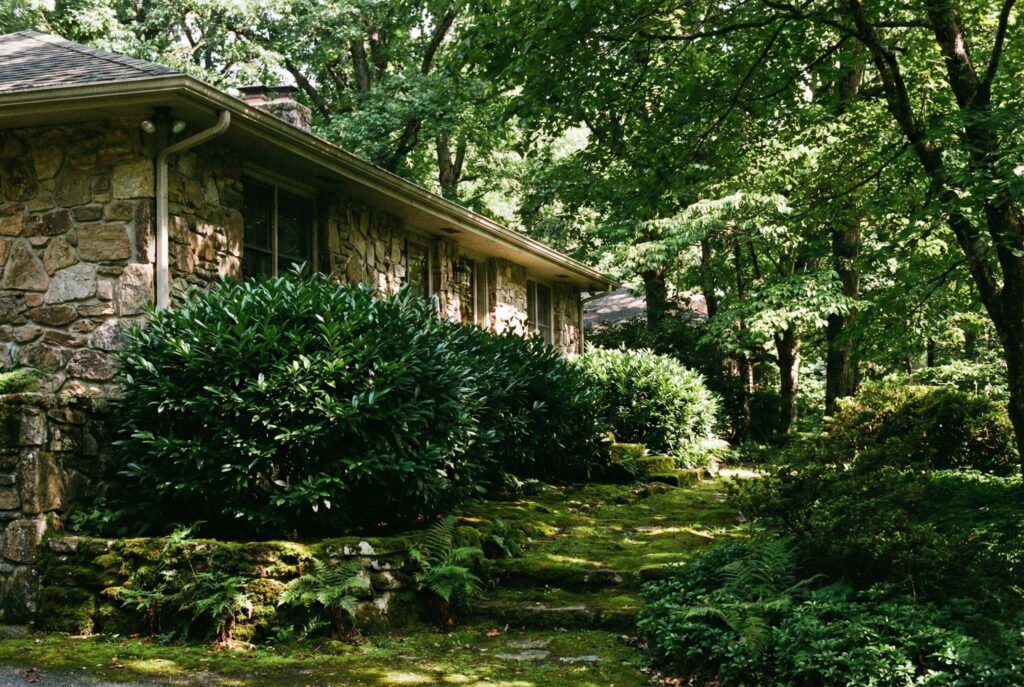
If you have a heavily shaded front yard, the Dwarf English Laurel is a fantastic option. It is a tough, broadleaf evergreen that handles deep shade gracefully, though it can also tolerate sun. It has large, leathery, dark green leaves that give a lush, tropical feel to the landscape. While standard laurels grow huge, the dwarf variety stays around three to four feet tall and wide. It grows well in Zones 6 through 9.
8. Rockspray Cotoneaster
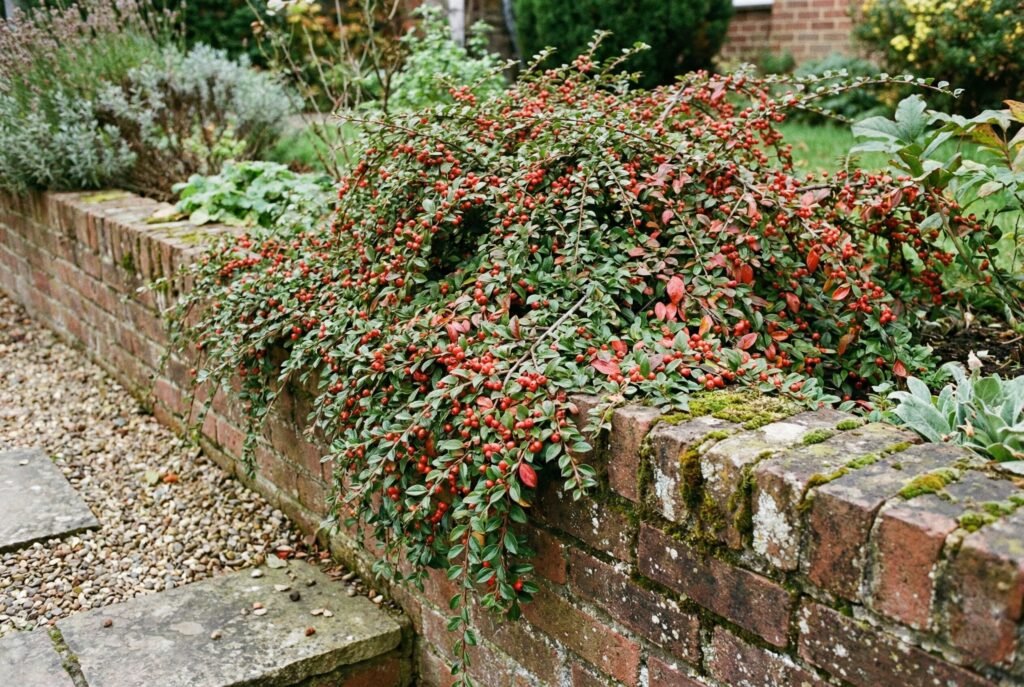
Rockspray Cotoneaster is a creeping, deciduous shrub that works wonderfully on slopes or cascading over low retaining walls in the front yard. It has a unique herringbone branching pattern. It produces tiny pinkish-white flowers in the spring, followed by bright red berries in the fall that persist into winter. It stays under three feet tall but can spread up to six feet wide. Plant in full sun in Zones 4 through 7.
9. Gold Thread Cypress
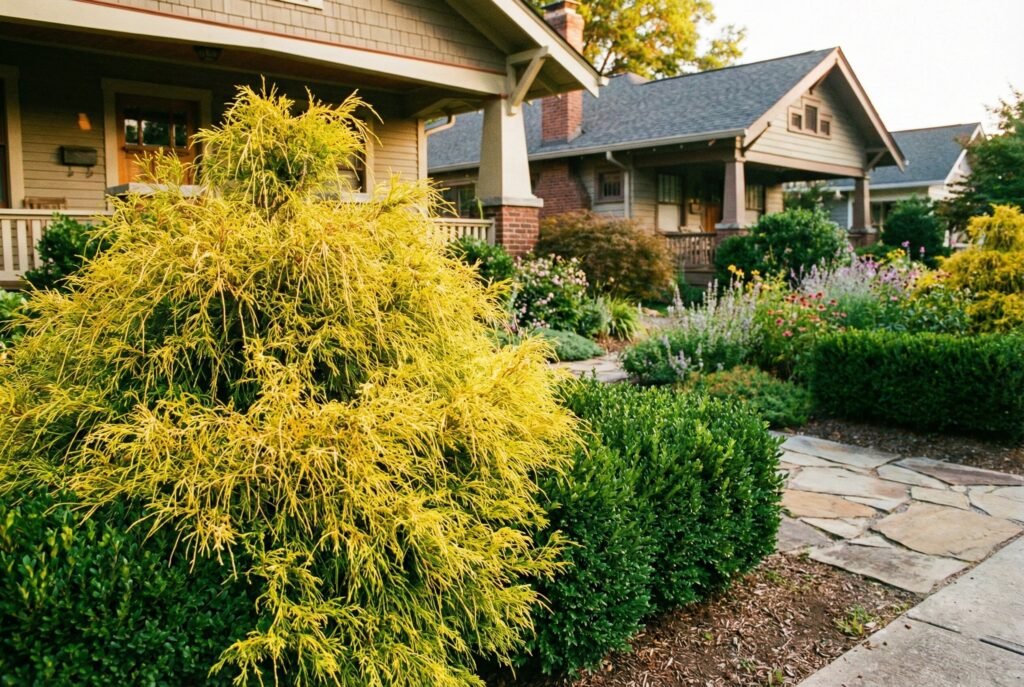
For a burst of vibrant, year-round color, look no further than the Gold Thread Cypress. This slow-growing evergreen has mop-like, stringy foliage that glows in a brilliant golden-yellow hue. It contrasts beautifully with dark green foundation plants. It maintains a mounding shape, growing about three to four feet tall and wide. It needs full sun to maintain its bright gold color and grows best in Zones 4 through 8.
10. Dwarf Hydrangea (Bobo or Little Lime)
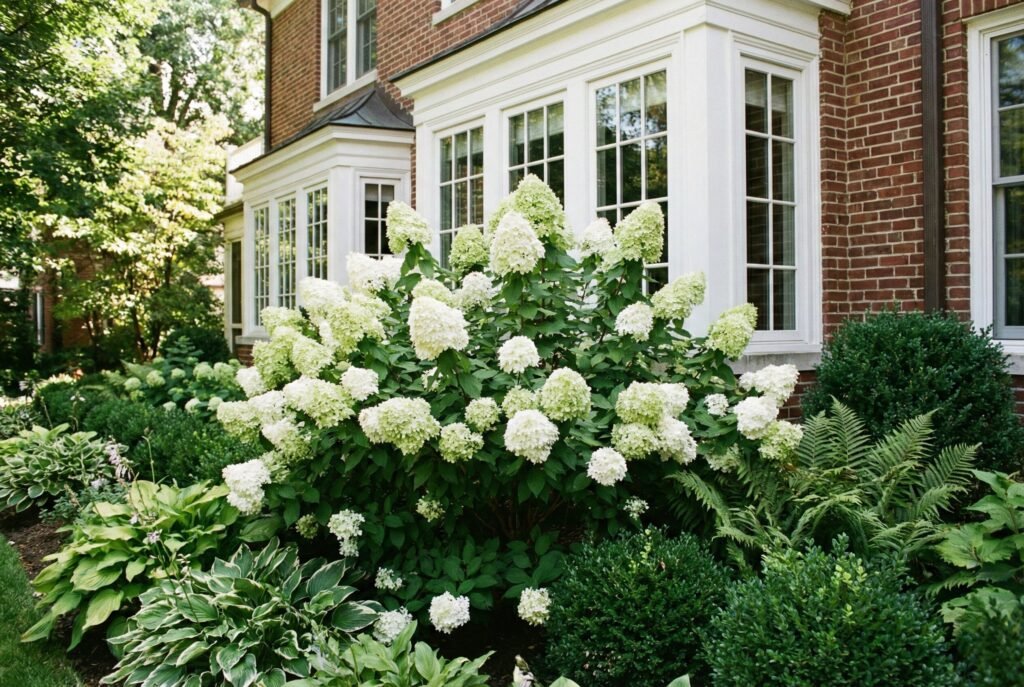
Hydrangeas are beloved for their massive flower heads, and dwarf varieties allow you to enjoy them in the front yard without blocking the view. Varieties like ‘Bobo’ or ‘Little Lime’ grow only three to four feet tall. They produce large panicles of flowers in mid-summer that shift from pale green to white, and eventually to a dusty pink in the fall. They need consistently moist, well-drained soil and prefer morning sun with afternoon shade in Zones 3 through 8.
11. Wintercreeper (Euonymus fortunei)
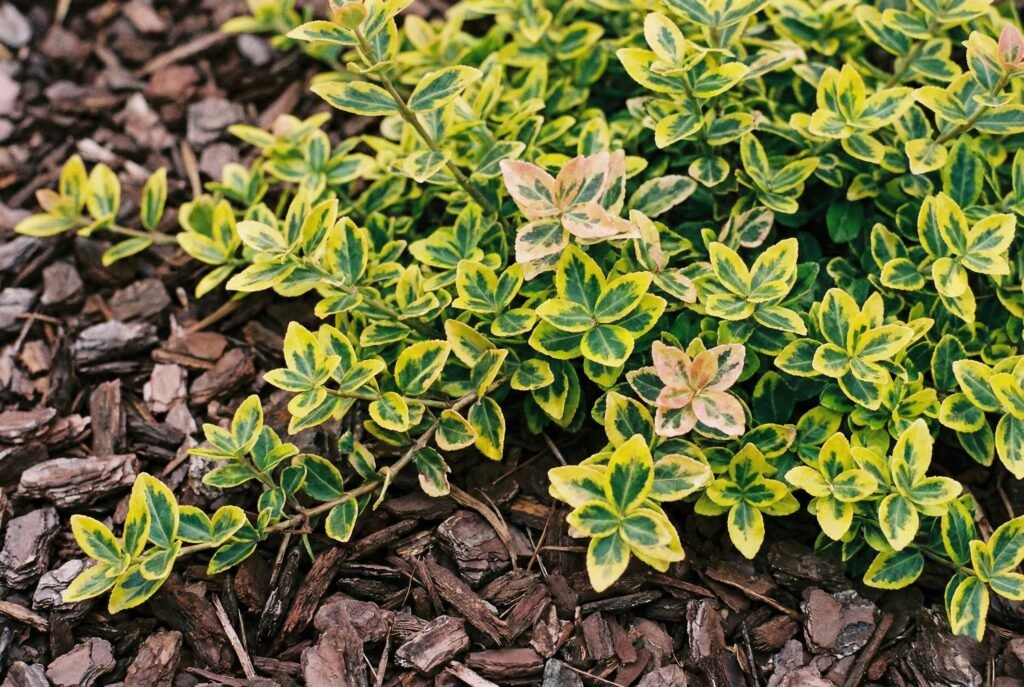
Wintercreeper is a versatile broadleaf evergreen that can be grown as a ground cover, a low hedge, or even trained to climb. The ‘Emerald ‘n’ Gold’ variety is incredibly popular, featuring green leaves with wide, bright yellow margins that take on a pinkish tint in cold weather. It grows about two feet tall and spreads easily. It adapts to almost any soil condition, handles sun or shade, and thrives in Zones 5 through 9.
12. Dwarf Crape Myrtle
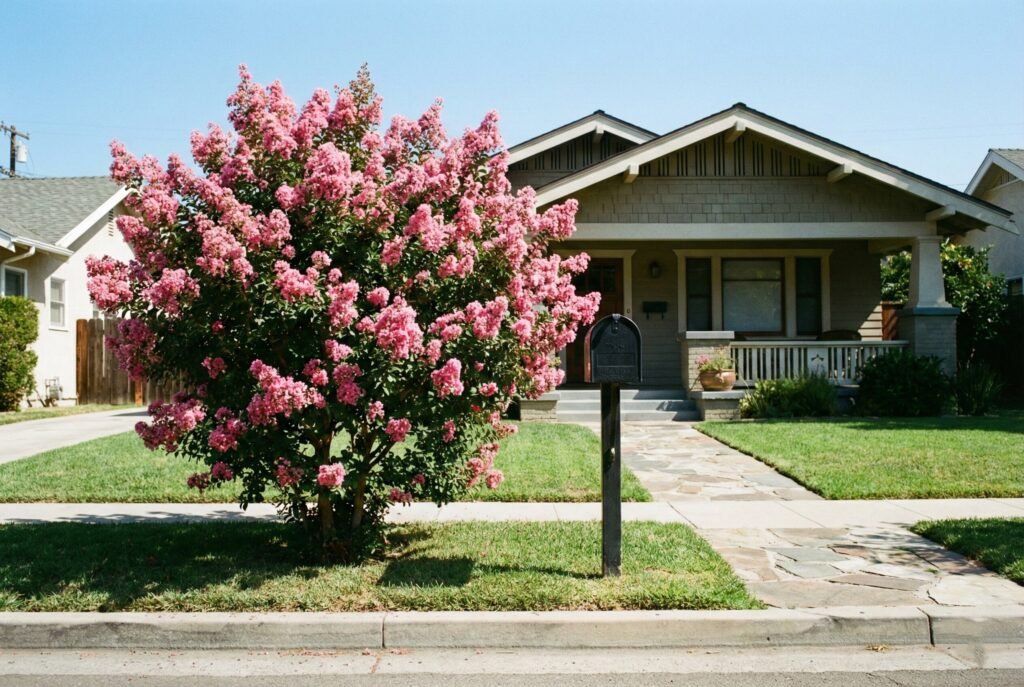
Crape Myrtles are usually associated with tall, multi-trunked trees, but dwarf varieties exist that function perfectly as low-growing shrubs. These deciduous plants offer months of vibrant, crinkly flowers in shades of pink, red, purple, or white throughout the summer. They typically stay between three and five feet tall. They are heat-tolerant, drought-resistant once established, and love full sun in Zones 7 through 10.
13. Inkberry Holly (Shamrock)
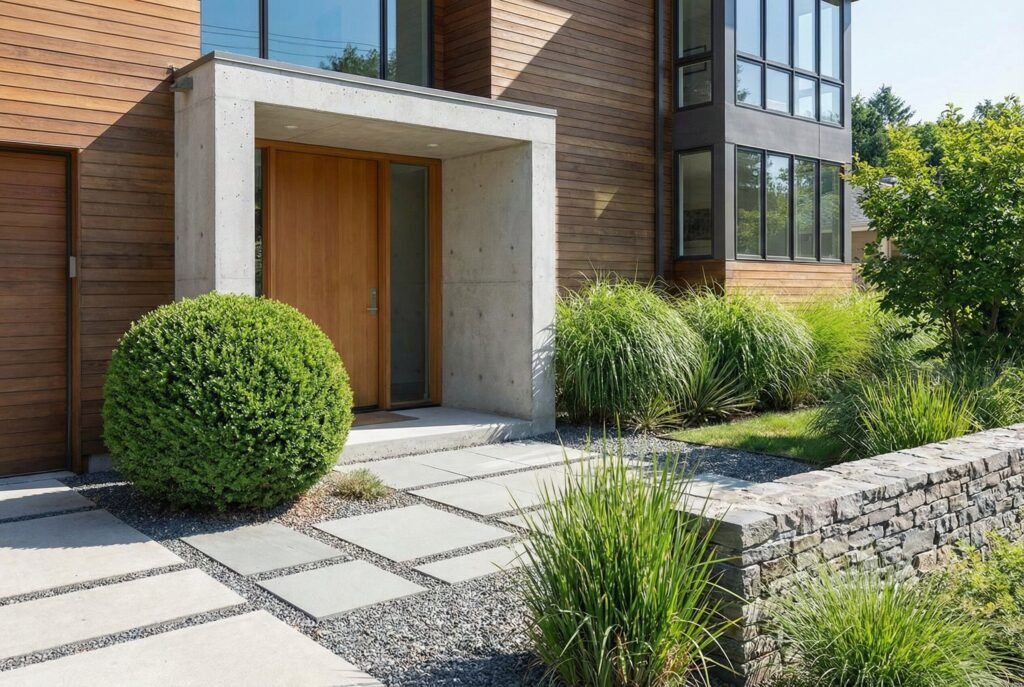
If you like the look of Boxwood but want a native alternative, the Inkberry Holly is an excellent choice. The ‘Shamrock’ variety is a compact, rounded broadleaf evergreen that grows three to four feet tall. It has soft, flat green leaves and produces small, black, ink-like berries in the fall if a male pollinator is nearby. It tolerates wet soils better than many other foundation shrubs and thrives in full sun to partial shade in Zones 4 through 9.
14. Dwarf Rhododendron
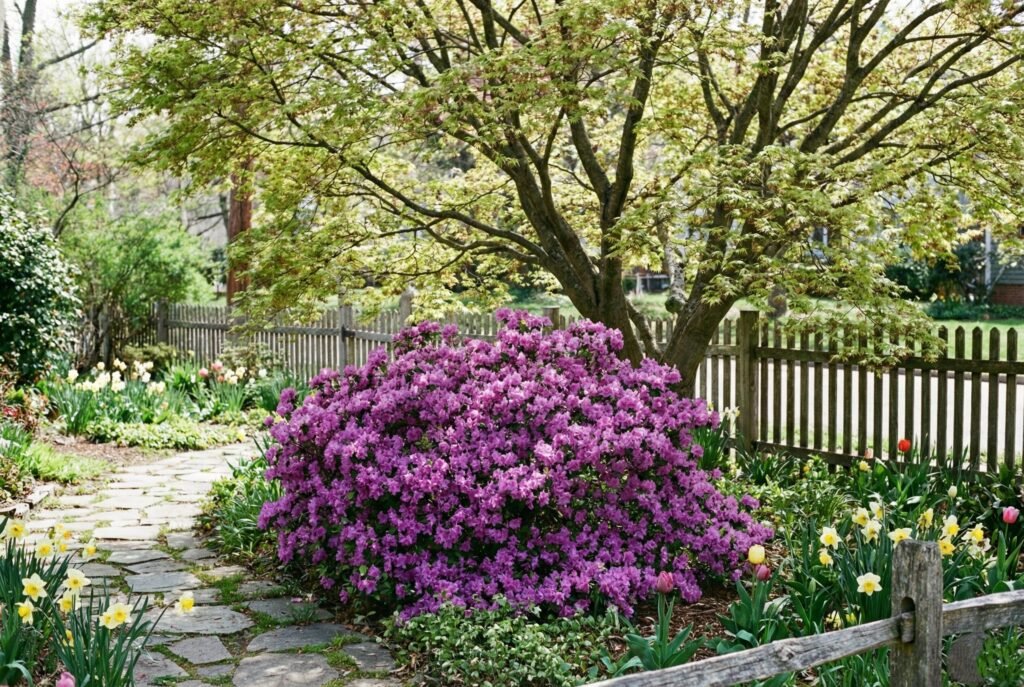
Rhododendrons bring unmatched elegance to springtime landscapes. Dwarf varieties keep a compact, mounding habit, generally staying under three to four feet tall. They are evergreens with leathery leaves, producing massive trusses of bell-shaped flowers in shades of pink, purple, white, and red. They require acidic, well-drained soil and thrive in dappled shade or morning sun. They are best suited for Zones 4 through 8.
15. Magic Carpet Spirea
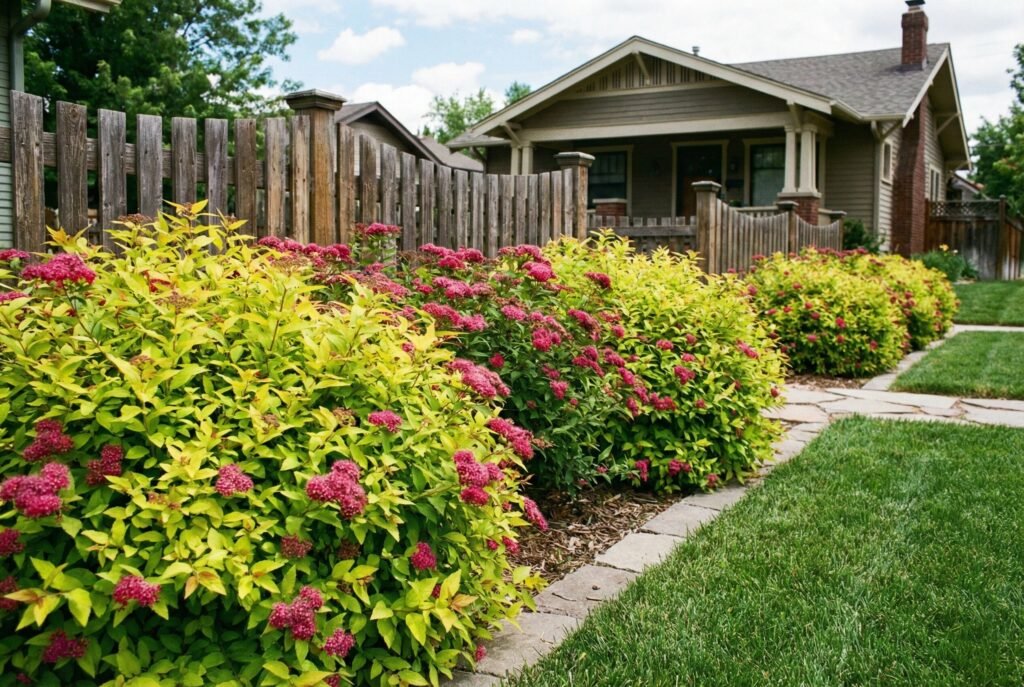
Another brilliant Spirea variety, the Magic Carpet, is grown just as much for its foliage as its flowers. The new leaf growth emerges in a fiery red, maturing to a bright chartreuse green. In summer, it produces clusters of deep pink flowers. The foliage turns a rich russet red in the fall. It forms a dense mound about two feet tall and three feet wide. Plant in full sun for the best leaf color in Zones 3 through 8.
16. Indian Hawthorne
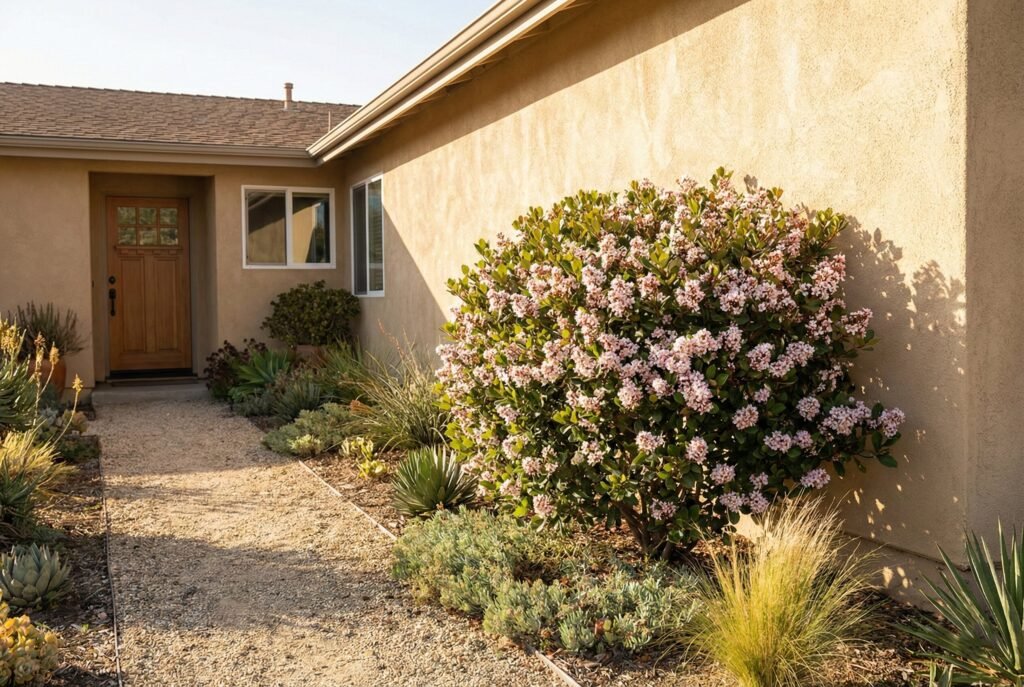
Indian Hawthorne is a staple in warm-climate landscaping. It is a neat, slow-growing evergreen shrub with leathery, dark green leaves. In late winter to spring, it is blanketed in clusters of fragrant pink or white star-shaped flowers, followed by dark blue berries. It naturally maintains a rounded shape, growing three to four feet tall and wide. It is highly salt-tolerant, making it great for coastal homes, and thrives in full sun in Zones 8 through 11.
17. Lavender (Lavandula angustifolia)
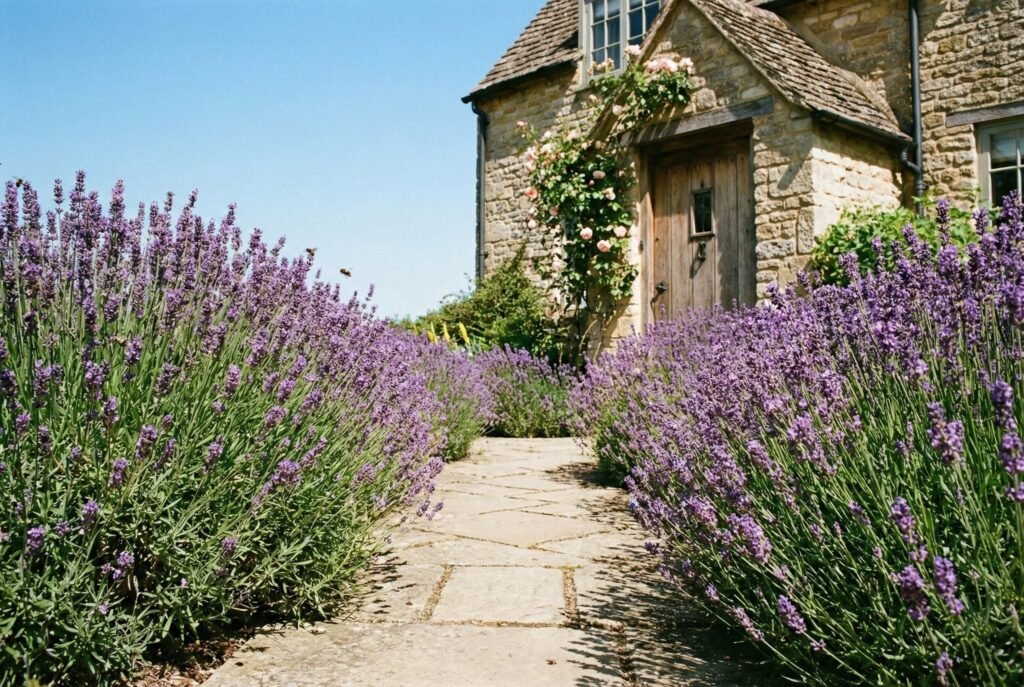
While technically a woody herb, English Lavender functions perfectly as a low-growing front yard shrub. It features highly fragrant, silvery-green foliage and tall spikes of purple flowers in the summer. Lavender adds a wonderful sensory experience near entryways or walkways. It generally grows two to three feet tall. It demands excellent drainage and full, hot sun. Do not overwater it. It thrives in Zones 5 through 9.
18. Dwarf Weigela (My Monet)
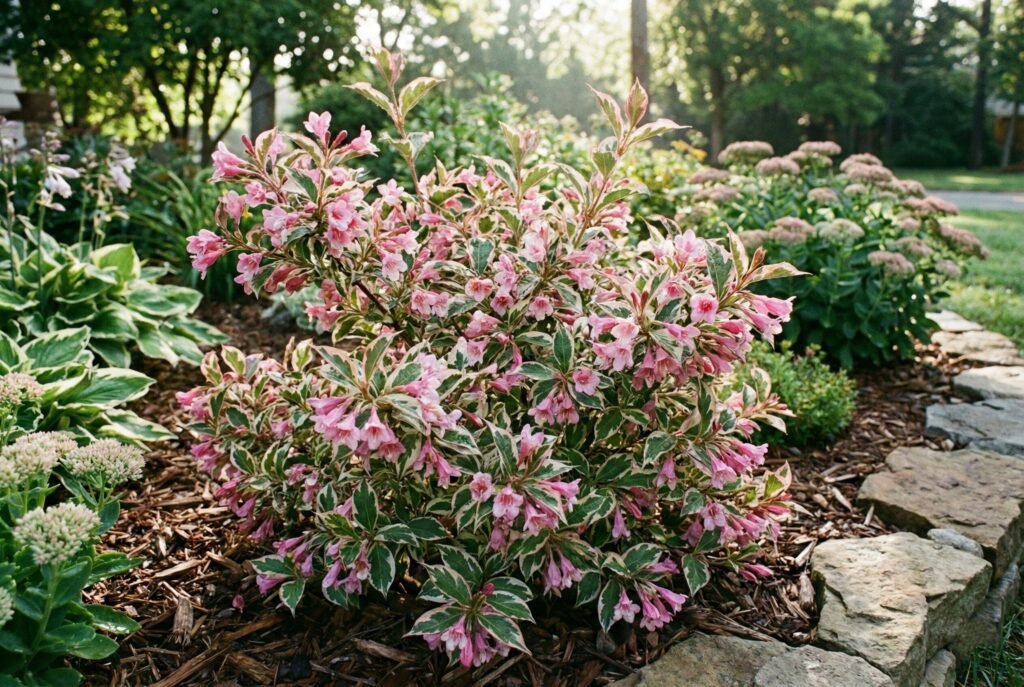
Weigela ‘My Monet’ is a dwarf deciduous shrub that brings exceptional color to small spaces. It features beautifully variegated leaves of green edged in pink and white. In late spring, it produces trumpet-shaped, purplish-pink flowers that attract hummingbirds. It stays very compact, reaching only twelve to eighteen inches tall and about two feet wide. It does best in partial to full sun and moist, well-drained soil in Zones 4 through 8.
19. Japanese Skimmia
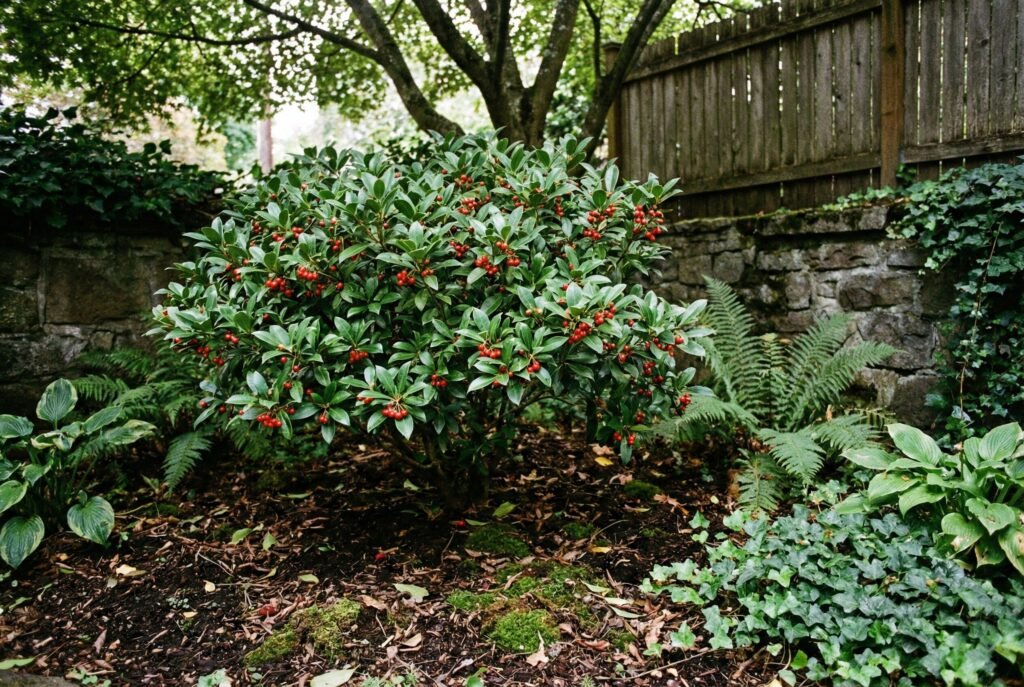
Japanese Skimmia is a premium choice for deeply shaded front yards. It is a slow-growing, compact evergreen that reaches three to four feet tall. It has thick, glossy green leaves. In spring, it produces fragrant, creamy-white flower clusters. If you have a male and female plant, the female will produce bright red berries that last through the winter. It requires acidic, moist, well-drained soil and partial to full shade in Zones 7 through 9.
20. Dwarf Yew (Densiformis)
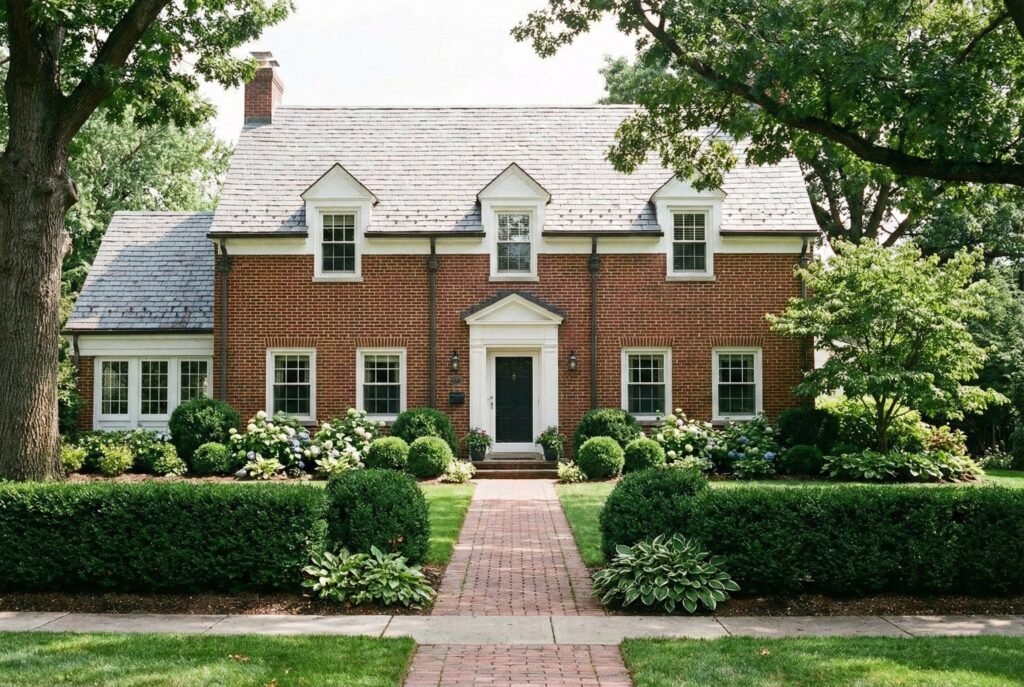
Yews are incredibly durable and long-lived evergreen shrubs. The ‘Densiformis’ variety is a spreading, dense shrub that can be easily pruned to any size, though it naturally grows about three to four feet tall and up to six feet wide. It has soft, dark green needles and takes well to formal shearing. It is highly adaptable, tolerating both full sun and full shade, as well as various soil types. It grows in Zones 4 through 7.
21. Dwarf Chenille Plant
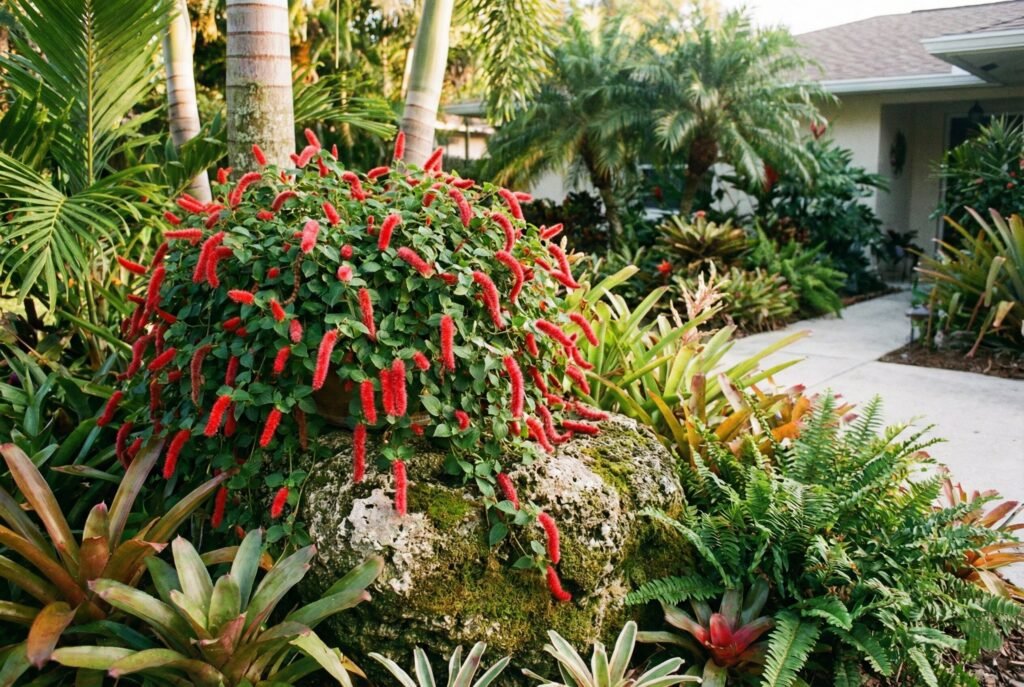
For tropical and subtropical climates, the Dwarf Chenille plant is a fantastic, visually interesting groundcover shrub. It features bright green, heart-shaped leaves and produces long, fuzzy, red, caterpillar-like flowers throughout the year. It stays very low, usually under eighteen inches tall, but spreads widely. It loves high humidity, rich soil, and full sun to partial shade. It is suitable only for Zones 10 and 11.
22. Dwarf Mugo Pine
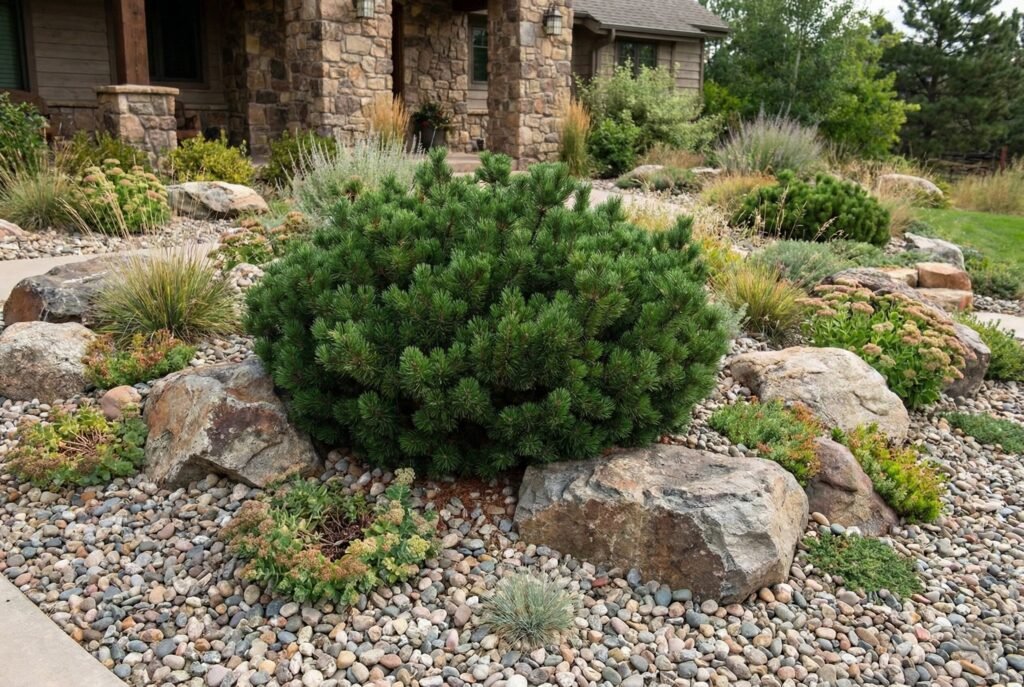
If you want to bring an alpine or rocky landscape feel to your front yard, the Dwarf Mugo Pine is ideal. It is a slow-growing, rugged evergreen with stiff, dark green needles. It naturally forms a low, dense mound, usually growing two to three feet tall and up to five feet wide. It is highly drought-tolerant and deer-resistant. It thrives in full sun and well-drained soil in Zones 3 through 7.
23. Virginia Sweetspire (Little Henry)
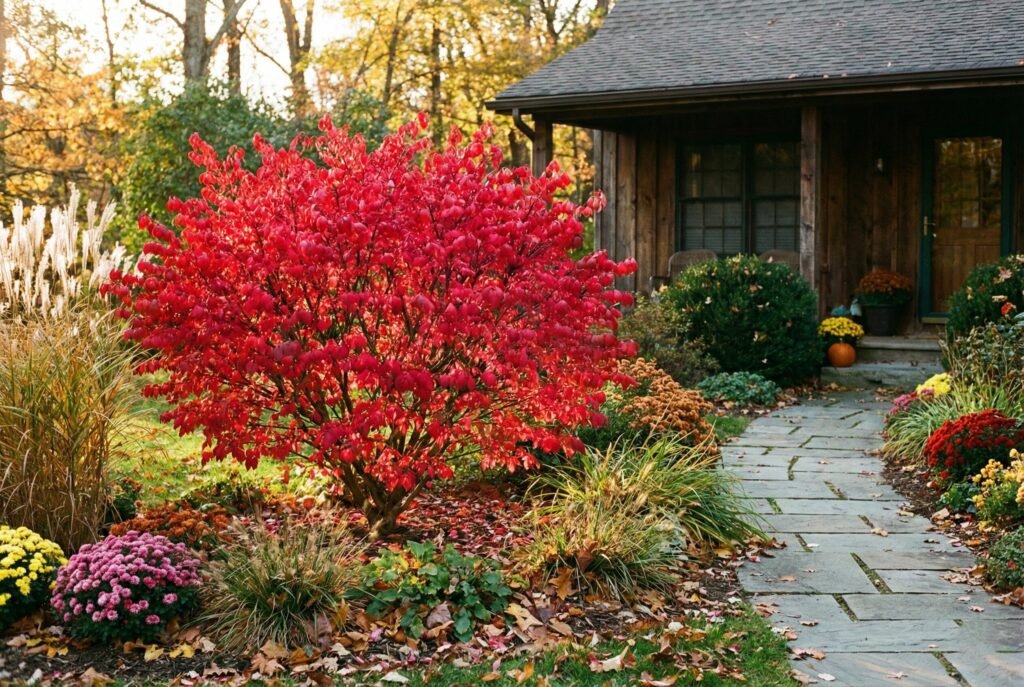
The ‘Little Henry’ Virginia Sweetspire is a compact, deciduous native shrub that excels in challenging spots. In early summer, it produces long, drooping spikes of sweetly scented white flowers. However, its real standout feature is its fall foliage, which turns a brilliant, burning garnet red. It grows about two to three feet tall and wide. It is highly adaptable, tolerating wet soil and heavy clay, and grows in sun or shade in Zones 5 through 9.
24. Kurume Azalea
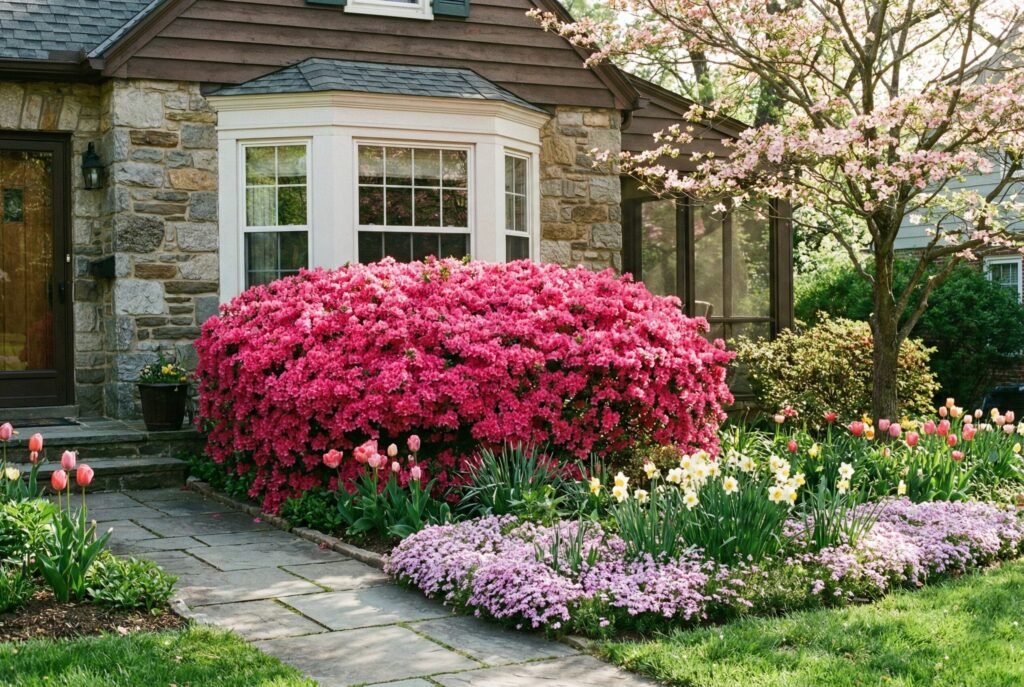
Kurume Azaleas are evergreen shrubs renowned for their spectacular spring floral displays. They have small, dense foliage and absolutely cover themselves in blooms ranging from white and pink to deep red and purple, completely hiding the leaves. They are generally compact, growing two to four feet tall. They require acidic, well-drained soil that is rich in organic matter. They prefer dappled shade or morning sun and grow best in Zones 7 through 9.
How to Plant and Care for Front Yard Shrubs
Selecting the right low-growing shrubs is only the first step. Proper planting and ongoing care are essential to ensure your new front yard landscape thrives and enhances your home’s curb appeal for years to come.
Soil Preparation and Planting
Before digging, always contact your local utility companies to ensure you will not hit underground lines. When planting foundation shrubs, do not plant them directly against the wall of your house. Leave at least two to three feet between the mature spread of the plant and the house foundation. This allows for proper air circulation, which prevents fungal diseases, and gives you space to access the home for maintenance.
Dig a hole that is twice as wide as the shrub’s root ball but no deeper than the root ball itself. Planting too deeply is a common cause of shrub failure, leading to root rot. Place the shrub in the hole, ensuring the top of the root ball is level with the surrounding soil. Backfill the hole with the native soil, watering halfway through to remove air pockets.
Proper Watering Techniques
Newly planted shrubs require consistent watering to establish a strong, deep root system. For the first few months, you may need to water deeply once or twice a week, depending on rainfall and heat. The goal is to keep the soil moist but not waterlogged.
Once your low-growing shrubs are established, many become quite drought-tolerant. It is always better to water deeply and less frequently than to give the plants shallow, frequent waterings. Deep watering encourages the roots to grow further down into the soil, making the plant more resilient during dry spells. Always aim your hose or drip irrigation at the base of the plant. Wetting the foliage frequently can lead to mildew and leaf-spotting diseases.
Mulching for Health and Aesthetics
Applying a layer of mulch is one of the best things you can do for your front yard landscaping. Spread a two-to-three-inch layer of organic mulch, such as shredded bark, wood chips, or pine straw, around the base of your shrubs.
Mulch provides a clean, finished look to your curb appeal while serving crucial biological functions. It helps the soil retain moisture, regulates soil temperature during extreme heat or cold, and suppresses weed growth that competes with your shrubs for nutrients. When applying mulch, keep it an inch or two away from the actual trunk or stems of the shrub. Piling mulch directly against the bark can cause rot and invite pests.
Pruning and Maintenance
Because you have selected low-growing and dwarf shrubs, your pruning chores will be minimal. The primary goal of pruning these plants is to maintain their shape and remove any dead, damaged, or diseased branches.
The timing of your pruning depends on the type of shrub. For evergreen shrubs like Boxwoods or Yews, late winter or early spring is the best time to shape them before new growth begins. For deciduous flowering shrubs, the rule of thumb depends on when they bloom. If the shrub blooms in the spring, like Azaleas or Forsythia, prune them immediately after they finish flowering. If they bloom in the summer, prune them in late winter or early spring. Always use sharp, clean bypass pruners to make clean cuts that heal quickly.
By selecting from this list of 24 beautiful, compact plants and following basic planting principles, you can easily create a professional-looking front yard landscape that elevates your home’s exterior without requiring endless weekends of yard work.
