

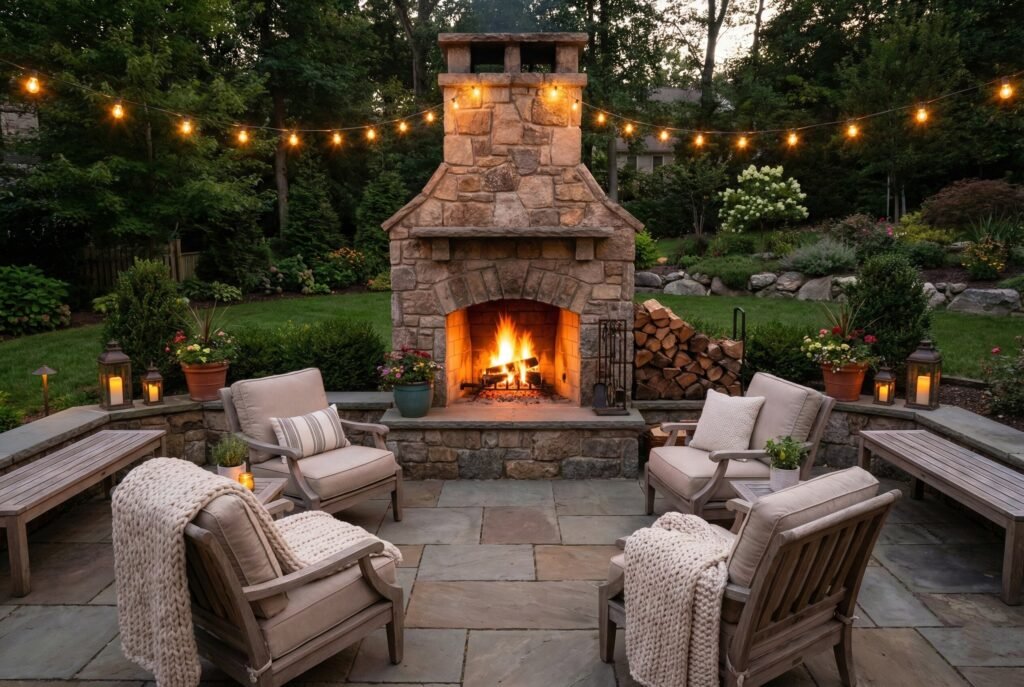
Transforming your backyard into a year-round retreat often starts with one central element: fire. An outdoor fireplace isn’t just a source of warmth; it is a focal point that defines your outdoor living space. It anchors your patio, provides a gathering spot for friends and family, and adds significant value to your home.
Whether you have a sprawling estate or a small urban courtyard, there is a design style that fits your needs. From rustic stone structures to sleek modern gas units, the options are endless. This guide covers over 13 distinct outdoor fireplace ideas to inspire your next backyard renovation, along with practical tips on choosing the right materials and fuel types.
Why Add an Outdoor Fireplace?
Before diving into the design ideas, it helps to understand why this feature is such a popular upgrade for homeowners.
- Extended Seasonality: You can enjoy your patio earlier in the spring and later in the fall.
- Ambiance: The glow of a fire creates an instant mood that artificial lighting cannot replicate.
- Property Value: Well-designed hardscaping is a high-ROI home improvement project.
- Cooking Capabilities: Many designs allow for wood-fired pizza ovens or grilling grates.
1. The Classic Stone Hearth

Nothing says “traditional comfort” like a floor-to-ceiling stone fireplace. This style uses natural stone, such as fieldstone, limestone, or river rock, to create a rugged, timeless look. It works exceptionally well with farmhouse, rustic, or cottage-style homes.
To achieve this look, builders often use a masonry core faced with natural stone veneer. The irregularity of the stones adds texture and character. A large hearth (the raised ledge at the bottom) provides extra seating for guests, eliminating the need for too much patio furniture.
- Best for: Large backyards, rustic themes, and homeowners who love wood-burning fires.
- Material Tip: Use locally sourced stone to ensure the fireplace blends naturally with the surrounding landscape.
2. The Modern Concrete Minimalist
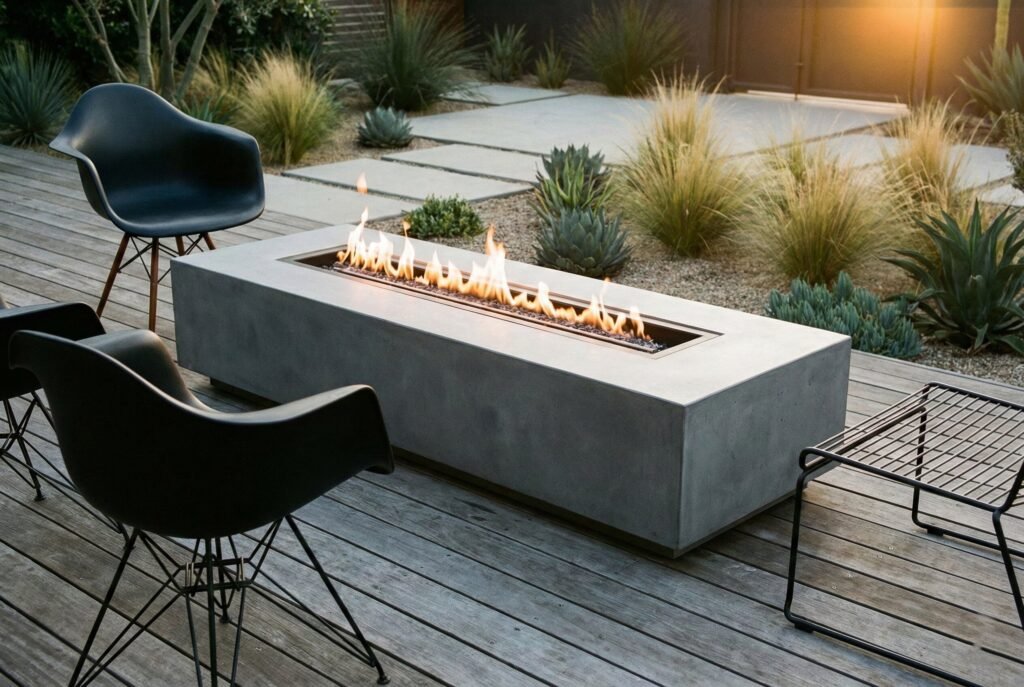
If your home features clean lines and contemporary architecture, a rustic stone fireplace might feel out of place. Enter the modern concrete fireplace. This design focuses on smooth finishes, geometric shapes, and simplicity.
Often cast in place or assembled from precast concrete panels, these fireplaces are sleek and industrial. They usually feature wide, rectangular openings rather than the traditional arched firebox. Gas is the preferred fuel here, allowing for a line of dancing flames through a bed of fire glass or lava rocks.
- Best for: Urban homes, modern architecture, and low-maintenance preferences.
- Design Tip: Pair the grey concrete with warm wood accents, like a cedar mantel or teak furniture, to soften the industrial feel.
3. The Double-Sided Fireplace
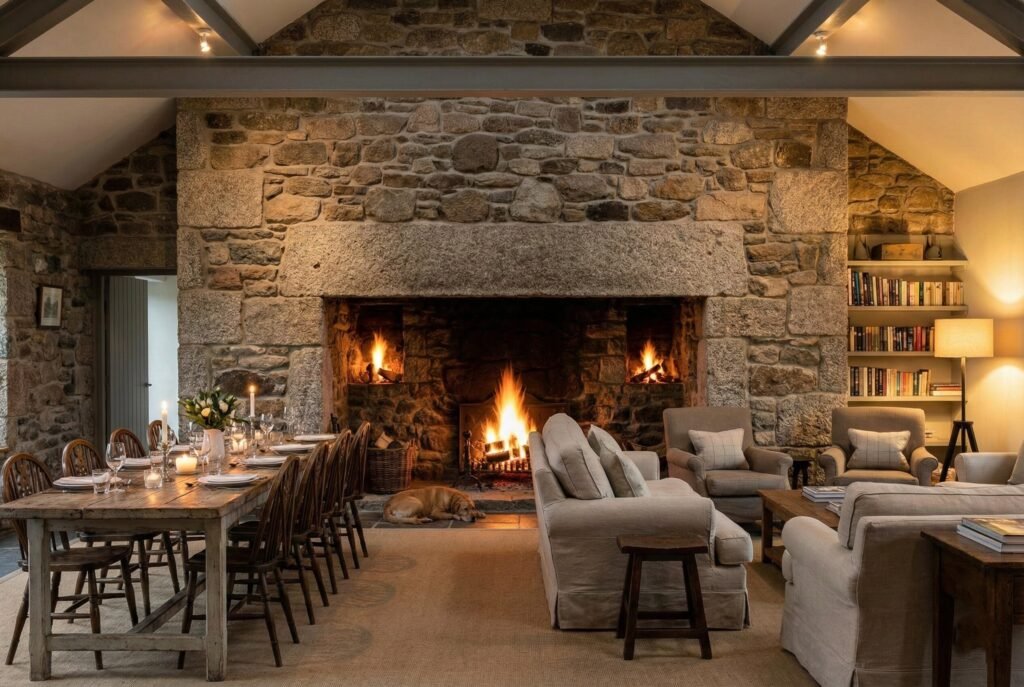
Why limit the warmth to just one area? A double-sided (or see-through) fireplace serves two distinct spaces simultaneously. This is an excellent way to divide an outdoor living room from a dining area without blocking light or sightlines.
This design acts as a partition wall. One side might face your covered patio where you watch TV, while the other side faces the open-air garden or pool deck. It creates a seamless flow between different zones of your yard while keeping everyone warm.
- Best for: Large patios with multiple distinct zones or connecting an indoor room to an outdoor space.
- Safety Note: Ensure the chimney drafting is designed correctly to prevent smoke from blowing through to the other side if burning wood.
4. The Mediterranean Stucco Feature
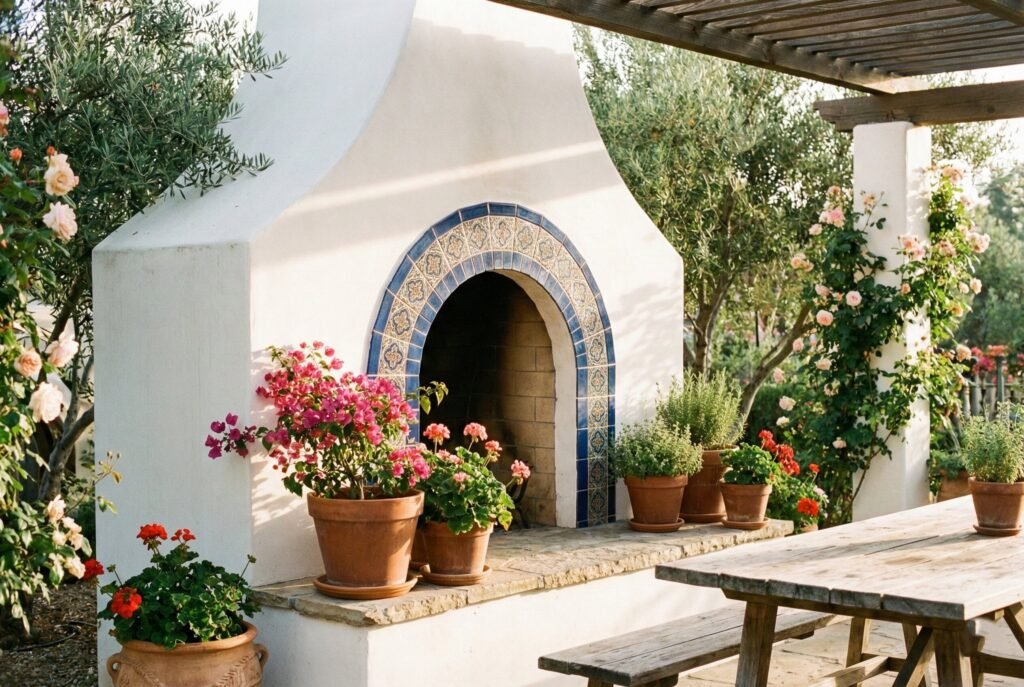
Bring the feel of a Spanish villa or a Greek island to your backyard with a white stucco fireplace. Stucco is a plaster-like finish that creates a smooth, textured surface. It is often painted white or cream, which reflects sunlight and looks stunning against green landscaping and blue skies.
These fireplaces often feature arched openings and tiled accents. You might see colorful Spanish tiles around the firebox or a terracotta tile roof on the chimney cap. This style pairs beautifully with wrought iron furniture and terracotta planters.
- Best for: Spanish Colonial, Mediterranean, or coastal style homes.
- Maintenance: Stucco may need repainting or cleaning more often than stone to keep it looking bright and fresh.
5. The Fireplace with Built-in Pizza Oven
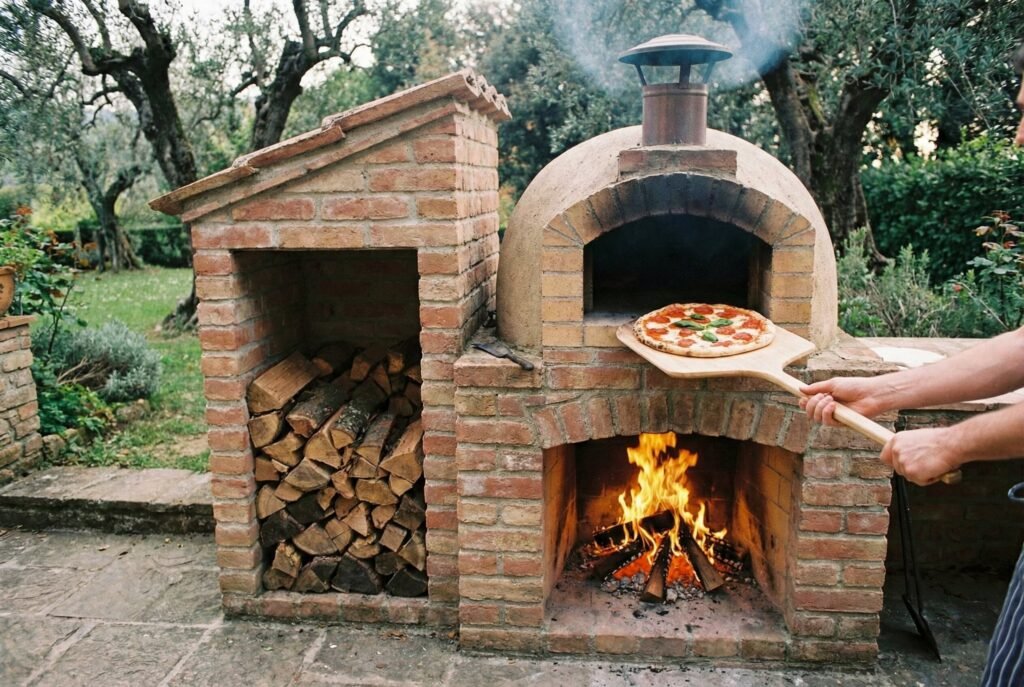
For the ultimate entertainer, combining a fireplace with a pizza oven is a dream come true. This dual-purpose structure usually features the standard firebox at the bottom for warmth and a domed oven chamber above or to the side for cooking.
This setup transforms your patio into an outdoor kitchen. You are not just sitting by the fire; you are cooking pizzas, roasting meats, or baking bread. It becomes an interactive experience for guests.
- Best for: Foodies, large families, and homeowners who host dinner parties.
- Fuel: Wood is essential here to get the high temperatures and smoky flavor required for the pizza oven.
6. The Corner Fireplace Nook
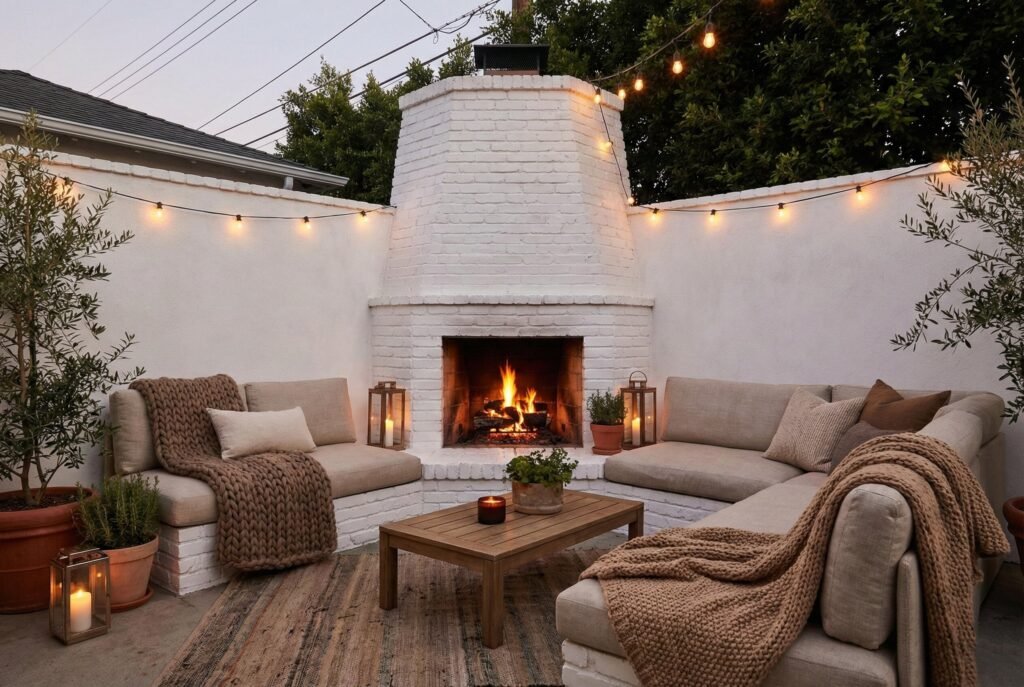
Not every yard has space for a massive, centered fireplace structure. Utilizing a corner is a smart way to save space while still getting the cozy benefits. A corner fireplace can turn a neglected angle of your patio into an intimate “cuddle puddle.”
L-shaped seating works perfectly here. You can build a permanent bench seat that wraps around the corner, centered on the fireplace. This design creates a snug, protected feel, especially effective for blocking wind.
- Best for: Small patios, courtyards, and maximizing usable square footage.
- Design Tip: Use the walls of the corner to mount outdoor lighting or grow climbing vines for added greenery.
7. The Corten Steel Statement
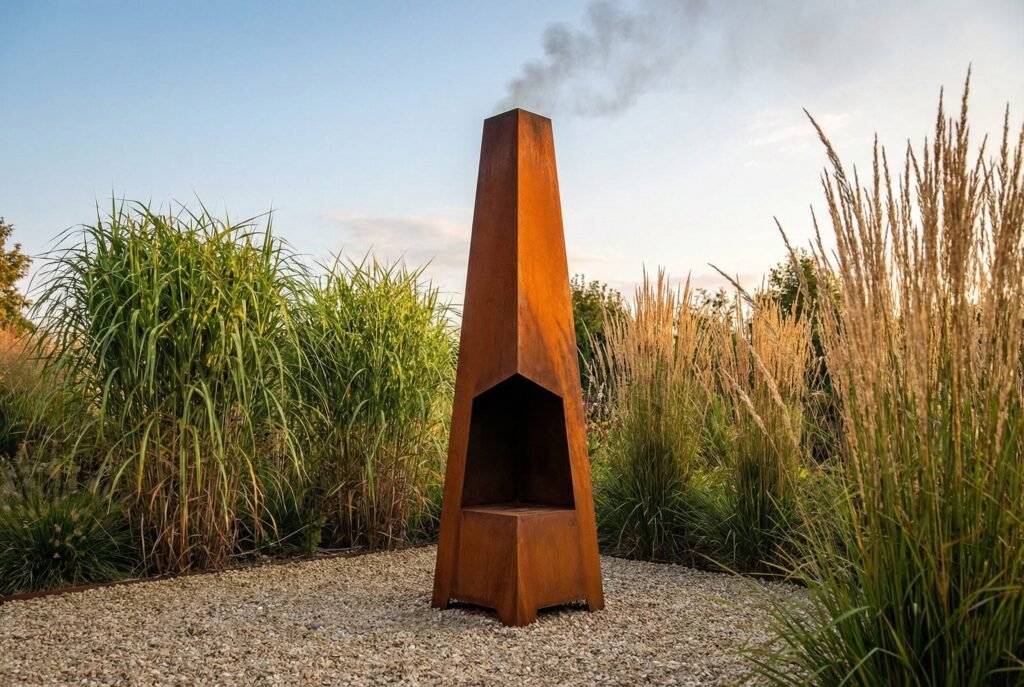
Corten steel (weathering steel) is a material that develops a stable, rust-like appearance after exposure to weather. It has a distinct orange-brown hue that looks organic yet modern. A Corten steel fireplace is often a standalone unit rather than a built-in masonry structure.
These units are often sculptural. They can be tall and tapered or wide and boxy. Because the material is metal, it radiates heat efficiently. The rusty color contrasts beautifully with green grass and grey paving stones.
- Best for: Contemporary landscapes, industrial design lovers, and adding a pop of color.
- Longevity: This steel is designed to resist corrosion, making it extremely durable despite the rusted look.
8. The Brick Traditionalist
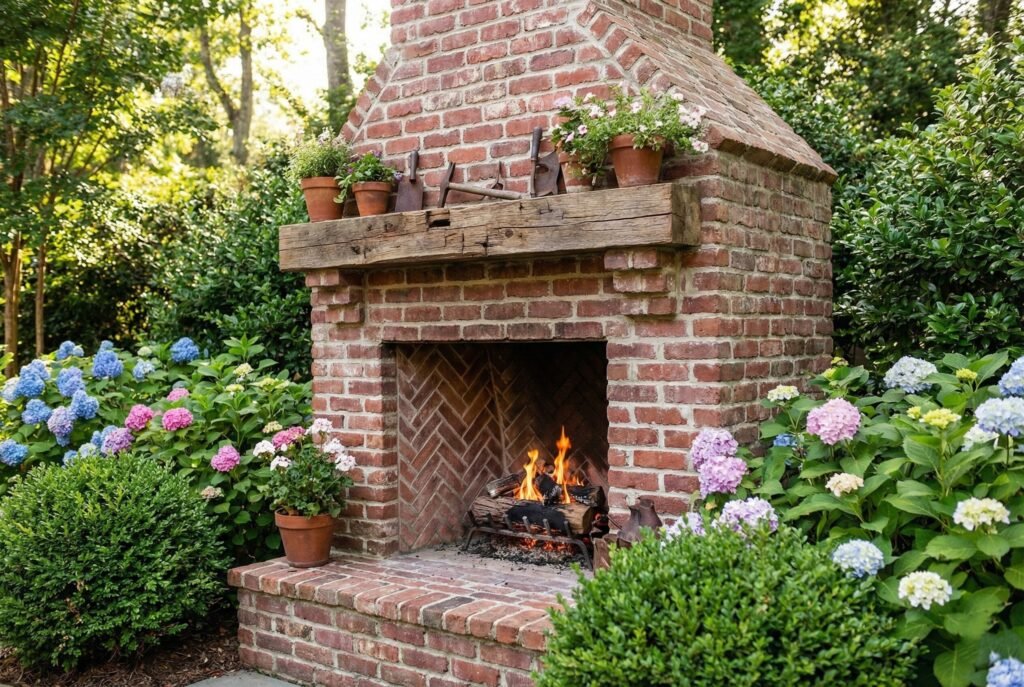
Brick is a classic building material that evokes a sense of history and permanence. A red brick fireplace fits perfectly with colonial, federal, or traditional craftsman homes. It feels established, as if it has been part of the property for decades.
You can play with the pattern of the bricks, herringbone, running bond, or basket weave, to add visual interest. To prevent it from looking too plain, add a heavy timber mantel or stone detailing on the hearth and chimney cap.
- Best for: Traditional architecture and creating a “secret garden” feel.
- Styling: Plant ivy or climbing hydrangeas nearby to soften the hard lines of the brick over time.
9. The Cabana Fireplace Wall
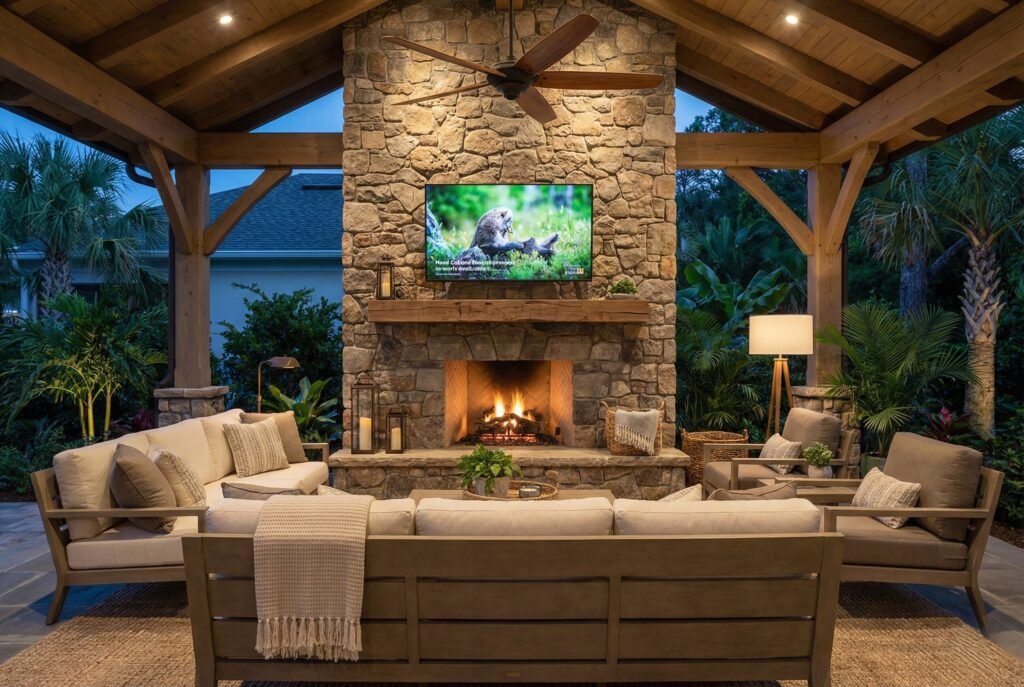
If you have a pool house, pavilion, or covered pergola, integrating a fireplace into one of the walls anchors the structure. This creates a fully functional outdoor living room that is protected from the elements.
This “outdoor room” concept allows for comfortable furniture that might not withstand full exposure to rain. You can mount a weather-rated television above the fireplace, creating the perfect spot for watching sports games in the fall.
- Best for: Covered patios, pool houses, and creating a luxurious resort-style atmosphere.
- Tech: Ensure you have proper electrical outlets installed for TVs and sound systems during the build.
10. The Sunken Fire Lounge
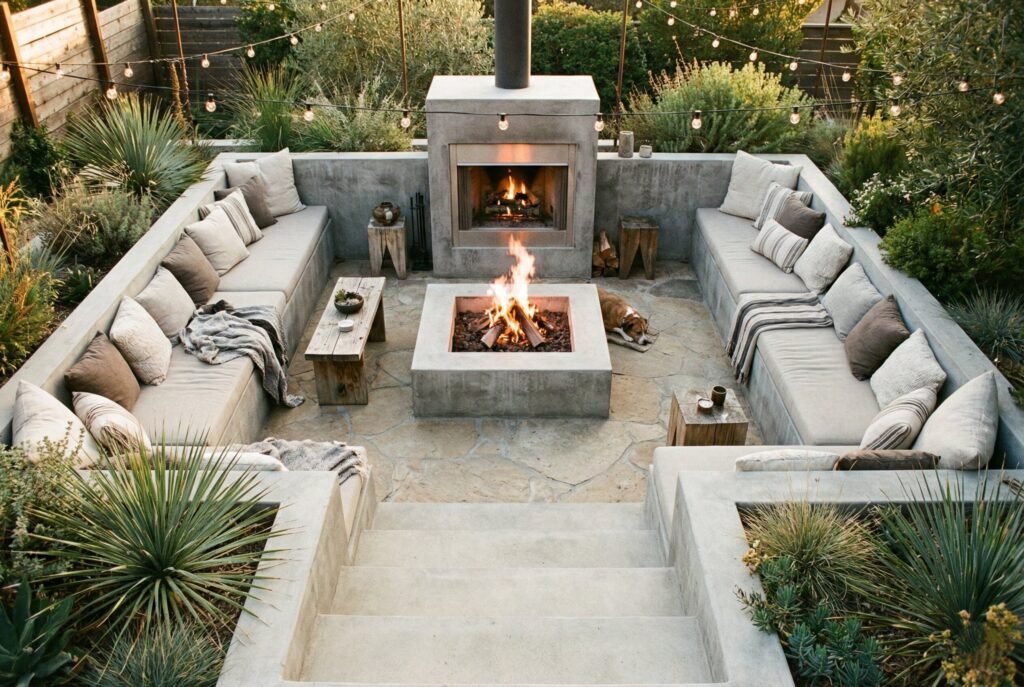
Change the elevation of your yard to create drama. A sunken fire lounge, or “conversation pit,” involves lowering a section of the patio. The fireplace serves as the anchor for this depressed area.
Steps lead down into the lounge, where built-in bench seating often surrounds the hearth. This lowers the profile of the furniture and the fire, ensuring views from the main house or upper patio remain unobstructed. It creates a very intimate, secluded feeling.
- Best for: Properties with views to preserve and homeowners who want a unique architectural feature.
- Drainage: Proper drainage planning is critical to prevent the sunken area from becoming a pool during rainstorms.
11. The Fireplace with Wood Storage Walls
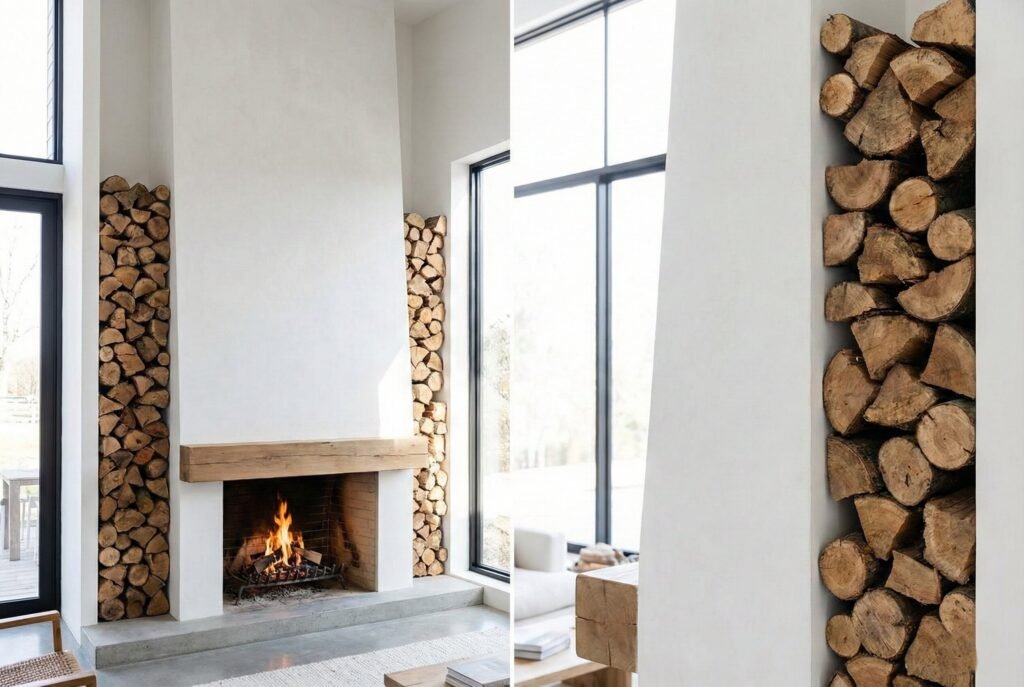
Function meets beauty in this design. Instead of hiding the firewood pile, make it a feature. Flank your fireplace with tall, recessed niches specifically designed to stack logs.
The cut ends of the wood create a beautiful, natural texture that changes as you use the fuel. It adds a warm, organic pattern to stone or concrete structures. Plus, it is incredibly practical. You never have to walk far to grab another log to throw on the fire.
- Best for: Wood-burning enthusiasts and design lovers who appreciate texture.
- Tip: Keep the bottom layer of wood off the ground to prevent moisture wicking and rot.
12. The Southwestern Kiva
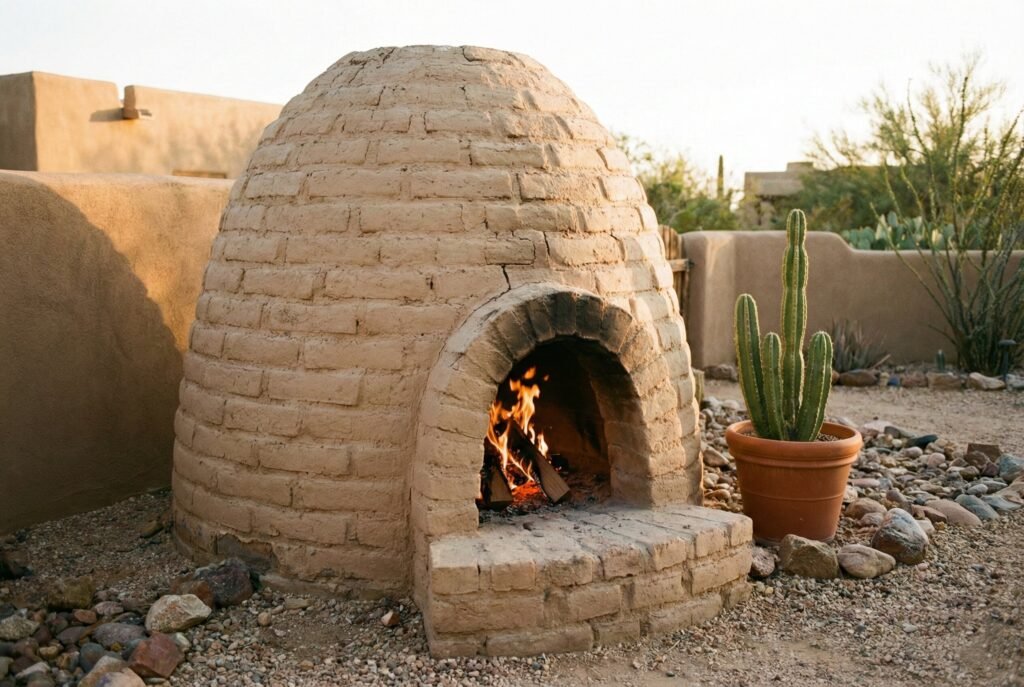
A Kiva is a traditional fireplace design originating from the Pueblo people of the American Southwest. It has a distinct beehive shape with a small, arched opening. It is almost always made of adobe or stucco.
Kiva fireplaces are compact and radiate heat very well due to their shape. They fit perfectly in desert landscapes or xeriscaped yards. They have a soft, organic silhouette that lacks sharp corners, making them feel gentle and welcoming.
- Best for: Desert homes, small spaces, and Southwestern decor themes.
- Decor: Accessorize with cactus, succulents, and woven rugs.
13. The Tabletop Fireplace (Fire Table)
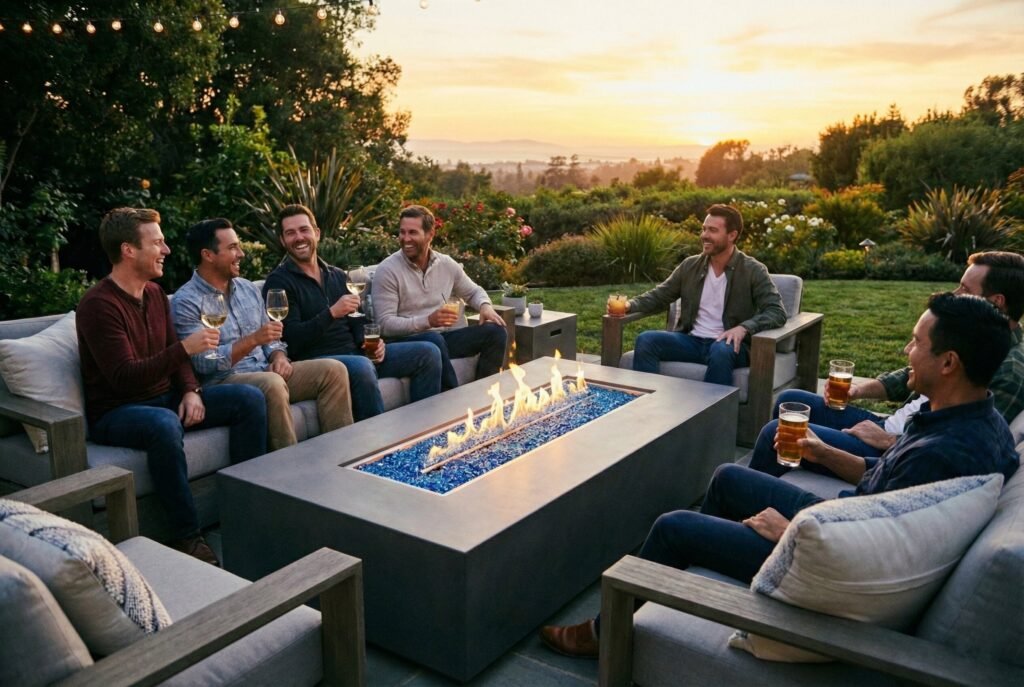
While technically not a vertical “fireplace” with a chimney, the fire table deserves a mention for its versatility and popularity. This is a low table, usually at coffee table or dining height, with a gas fire element in the center.
This is the most social option. Instead of facing a wall, guests sit in a circle facing each other with the fire in the middle. It is perfect for conversation and drinks. Because there is no chimney, it preserves 360-degree views of your yard.
- Best for: Social gatherings, open decks, and viewing sunsets.
- Flexibility: Many models come with a cover for the fire pit section, turning it into a full table when the fire isn’t lit.
Important Considerations for Your Project
Choosing a style is just the first step. To ensure your project is successful, safe, and long-lasting, consider these technical aspects.
Wood Burning vs. Gas
This is the biggest functional decision you will make.
Wood Burning:
- Pros: Authentic crackle and pop, higher heat output, nostalgic smell, and ability to cook.
- Cons: Requires effort to start and maintain, smoke can bother neighbors, sparks can be dangerous, and requires ash cleanup.
Gas (Propane or Natural Gas):
- Pros: Instant on/off, clean burning (no smoke), no ash cleanup, modern look.
- Cons: Less heat output than a roaring wood fire, requires running a gas line (expensive), lacks the sound and smell of real wood.
Location and Safety Codes
Before breaking ground, check your local building codes. Most municipalities have strict rules about:
- Setbacks: How far the fire feature must be from your property line, house, and fences.
- Height: Chimney height requirements to ensure proper drafting.
- Burn Bans: Some areas restrict wood burning during certain times of the year due to air quality or wildfire risk.
Always place your fireplace on a fire-resistant surface like concrete, pavers, or stone. Never build a heavy masonry fireplace on a standard wooden deck without significant structural reinforcement.
Materials and Durability
Outdoor structures face harsh conditions: rain, snow, freeze-thaw cycles, and intense sun.
- Masonry: Brick, stone, and concrete are the most durable options.
- Metal: Ensure any metal used is rated for high heat and outdoor use (like stainless steel or Corten).
- Firebox: The inside of the fireplace must be lined with “fire brick,” a specialized ceramic material that withstands extreme heat without cracking.
Enhancing the Atmosphere
Once your fireplace is built, styling the surrounding area completes the look.
- Lighting: Firelight is beautiful, but you need task lighting for safety. Use low-voltage path lights or string lights draped overhead.
- Seating: Arrange furniture to encourage conversation. Deep seating chairs with performance fabrics (like Sunbrella) are ideal.
- Textiles: Keep a basket of wool blankets nearby for chilly nights. Outdoor rugs help define the “living room” area on the patio.
Conclusion
Adding an outdoor fireplace is more than just a renovation; it is a lifestyle upgrade. It draws people outside, encourages conversation, and slows down the pace of life. Whether you choose a grand stone hearth that reminds you of a mountain lodge or a sleek fire table for cocktail hour, the result is the same: a warmer, more inviting home.
Start by assessing your space, checking your local codes, and deciding on your fuel preference. With these 13+ ideas as your guide, you are well on your way to creating the ultimate backyard sanctuary.