

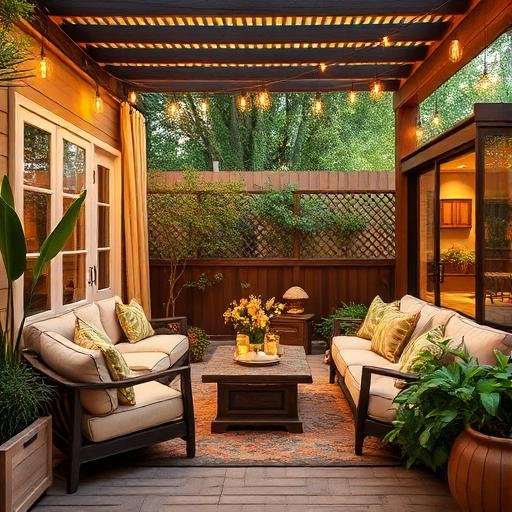
Transforming your patio does not require a large budget or professional design experience. A few simple updates can turn an underused outdoor area into a functional and inviting retreat. This guide provides 20+ practical, easy-to-copy decorating ideas that you can implement today to maximize your outdoor living space.
The key to effective patio design is viewing it as an extension of your home’s interior. You need to consider functionality, comfort, and durability. By focusing on specific zones and adding personal touches, you can create an atmosphere that encourages relaxation and entertaining.
This list focuses on changes you can make quickly. Some ideas involve rearranging what you already own, while others might require a simple purchase or a quick DIY project. Let’s explore how you can upgrade your patio immediately.
1. Roll Out an Outdoor Rug to Define the Area
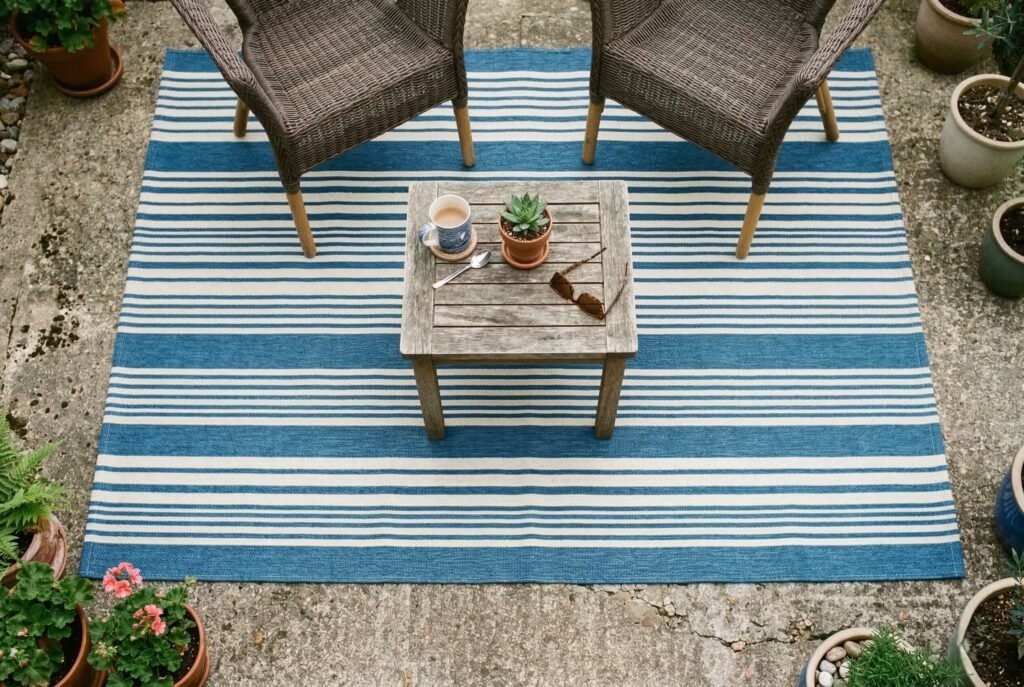
An outdoor rug is one of the fastest ways to redefine your patio space. Rugs add immediate color, texture, and warmth to a hard surface like concrete or pavers. They also perform a critical structural function: defining a specific zone.
An outdoor rug serves as the anchor for a conversation area, much like an indoor rug does in a living room. It tells guests where the main seating area is located. When choosing a rug, measure the area carefully. For a seating arrangement, the front legs of all furniture pieces should ideally rest on the rug.
Look for materials designed specifically for outdoor use, such as polypropylene. These materials resist mold, mildew, and fading from UV rays. You can find them in countless styles, from bold geometric patterns to natural fiber looks like jute or sisal. Cleaning is often as simple as spraying them down with a garden hose.
2. String Up Cafe or Bistro Lights for Instant Atmosphere
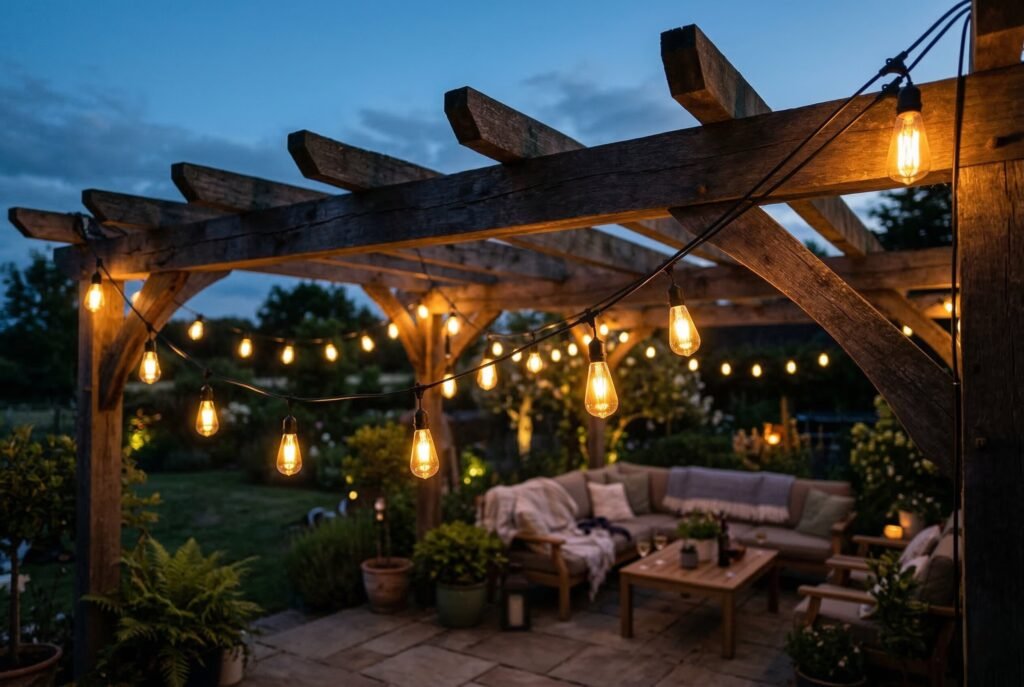
Lighting changes the atmosphere of any space. For patios, standard overhead light fixtures are often harsh or insufficient. Stringing up Edison-style cafe lights (also called bistro lights) provides an immediate, warm glow that makes the area feel intimate and inviting.
These lights are incredibly versatile. You can string them in a zigzag pattern across the patio ceiling or pergola. If you do not have an overhead structure, use sturdy planters filled with concrete and wooden poles to create support posts for the lights.
Solar-powered options are readily available and eliminate the need for an outdoor electrical outlet, allowing you to place them anywhere the solar panel can receive direct sunlight. This single addition makes your patio usable and enjoyable long after the sun goes down.
3. Build or Buy a Vertical Garden to Add Greenery without Sacrificing Floor Space
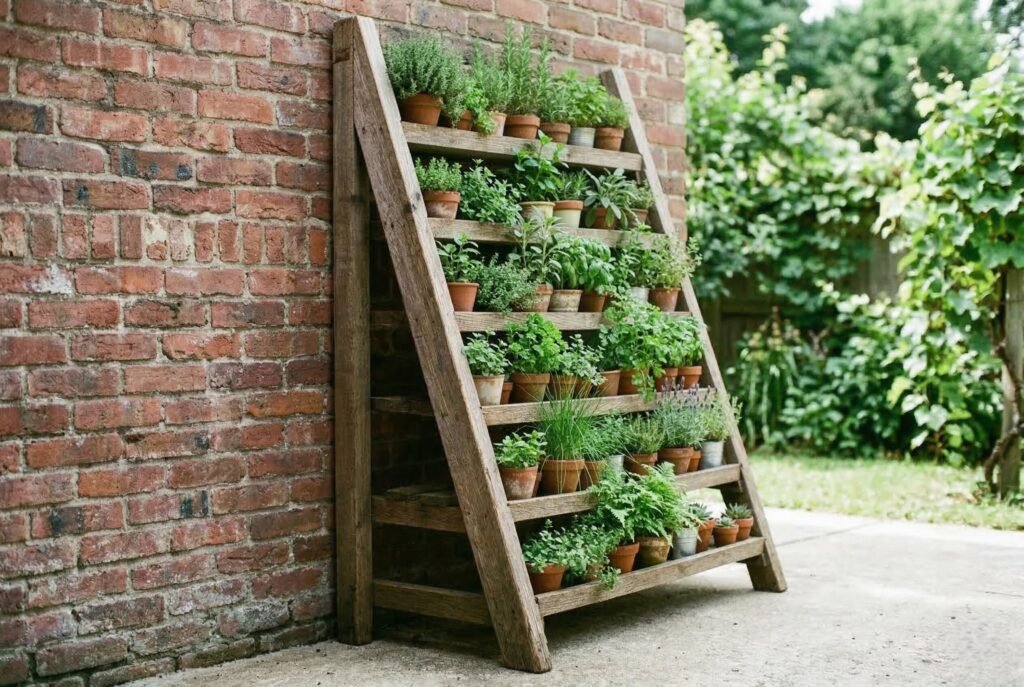
When patio space is limited, look up. Vertical gardening allows you to introduce significant amounts of greenery and life without using up precious square footage needed for furniture or movement.
Vertical garden options are numerous. You can purchase pre-made tiered planters, attach small pots to a lattice or wooden privacy screen, or create your own system using stacked wooden pallets.
If you have a concrete or brick wall, wall-mounted planters are an excellent choice. This is also a fantastic way to grow herbs for cooking, keeping them accessible right outside your door. Focus on plants that thrive in your light conditions, whether that is full sun for herbs or shade for ferns.
4. Create Comfortable Seating Zones with All-Weather Furniture
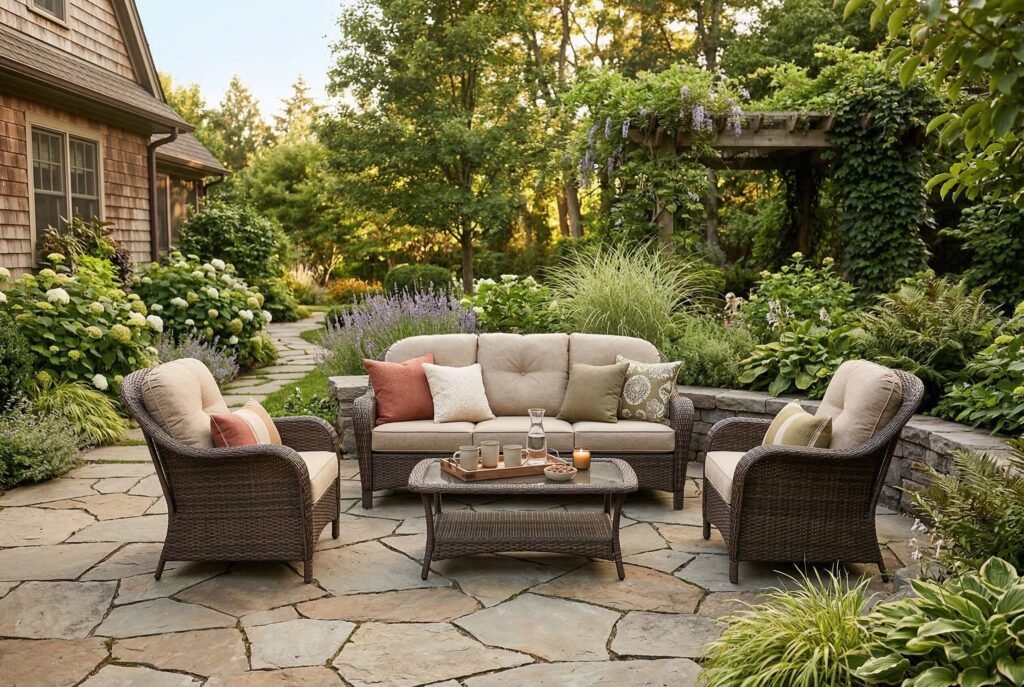
A patio is only as good as its comfort level. To encourage spending time outdoors, prioritize comfortable seating. The easiest way to copy this today is by focusing on functional arrangements.
Instead of lining chairs against a wall, arrange them in a grouping conducive to conversation. A standard setup involves two chairs and a small table between them, or a sofa paired with two armchairs.
Ensure the furniture you use is designed for the outdoors. All-weather wicker, cast aluminum, steel, or teak are durable options. High-quality cushions that are fade-resistant and quick-drying (like those made with Sunbrella fabric) are essential for long-term enjoyment and comfort. Even if you have simple plastic or metal chairs, adding durable cushions makes an instant difference.
5. Add Privacy with Freestanding Screens or Potted Plants
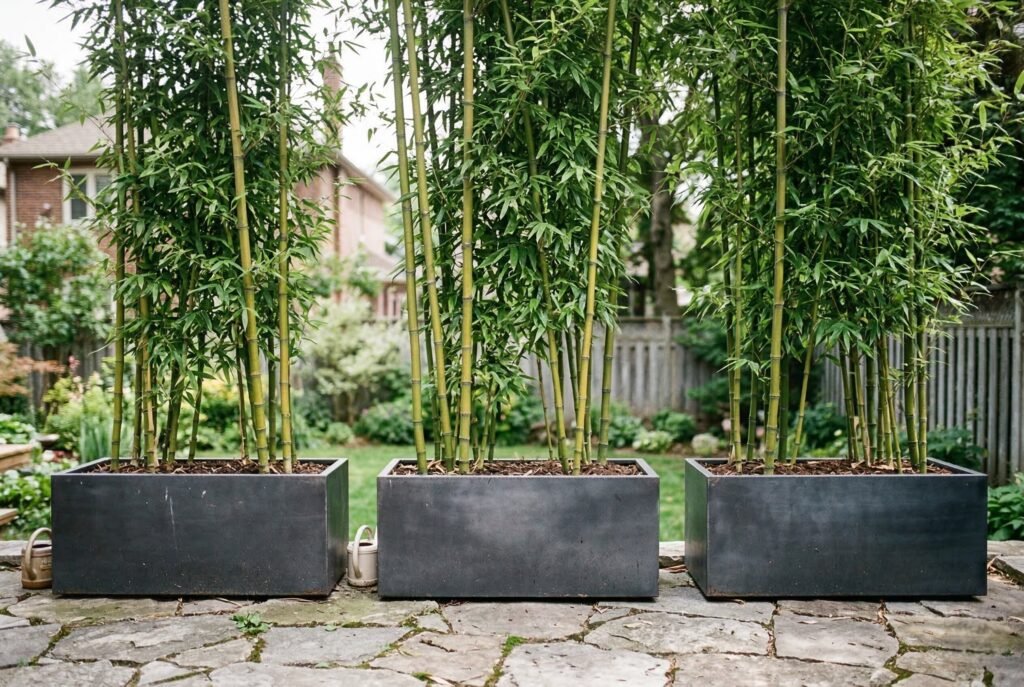
Privacy is essential for feeling relaxed on a patio, especially if you have close neighbors. Creating a sense of seclusion doesn’t require building a permanent fence.
You can instantly add privacy using freestanding privacy screens. These screens come in various materials, including wood lattice, woven materials, or modern laser-cut metal panels. They provide a physical and visual barrier while adding an architectural element to the decor.
Alternatively, use tall, dense potted plants to create a natural living wall. Bamboo (ensure it is a non-invasive variety or well-contained in pots), tall grasses, or evergreen shrubs like arborvitae planted in large, heavy planters can be strategically positioned to block views from neighboring properties or the street.
6. Introduce Natural Textures with Wicker, Rattan, and Jute
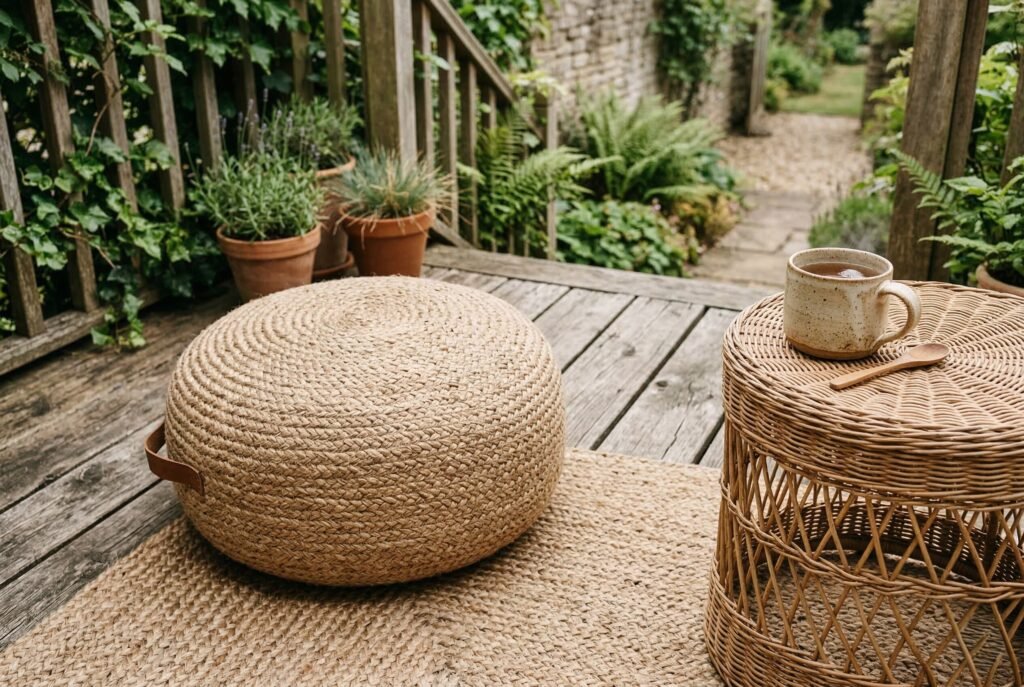
Incorporating natural textures is a fundamental design principle for making an outdoor space feel organic, relaxed, and cohesive with the environment. It counteracts the harshness of concrete, stone, brick, or metal surfaces.
The easiest way to introduce these textures is through accessories. If you have modern, metal frame furniture, add texture using wicker side tables, a large rattan basket to store blankets, or a jute rug (as mentioned in idea #1).
Texture adds visual interest and layers to your decor, making it feel more thoughtful and complex. It contributes significantly to the cozy, comfortable vibe that most people seek in a patio.
7. Hang Outdoor Curtains for Shade and softness
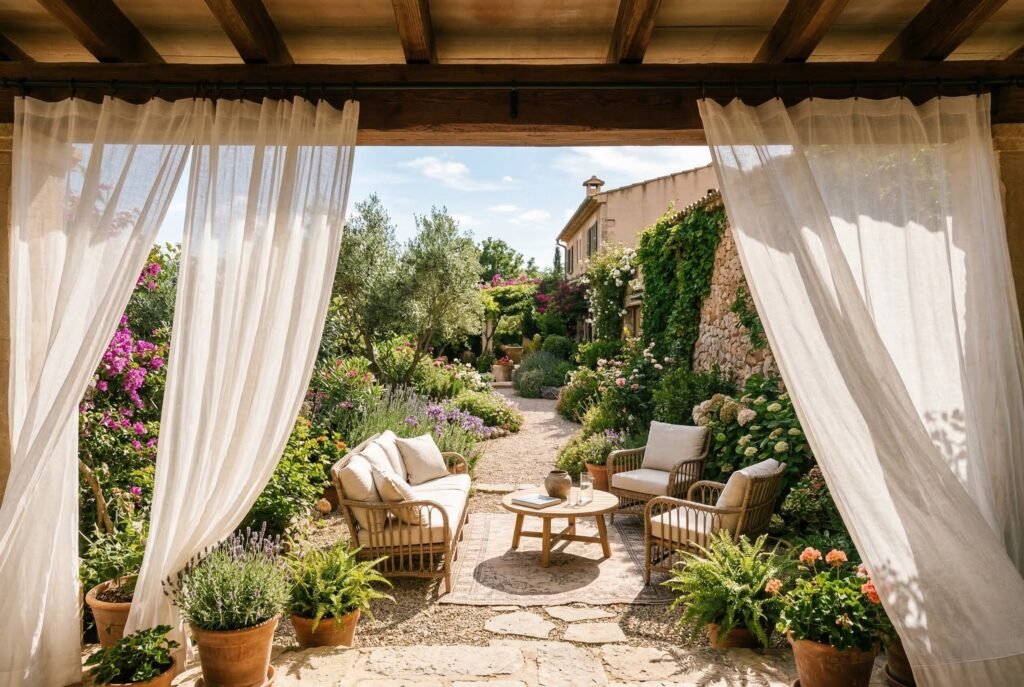
Outdoor curtains are not just for aesthetics; they are functional additions that add softness, diffuse strong sunlight, and provide temporary privacy. They instantly give a patio a luxurious, resort-like feel.
You can hang outdoor curtains from a pergola, a gazebo, or even attach a rod to the side of your house or garage. When opened, they frame the view; when closed, they create an outdoor room.
Choose curtains specifically labeled “outdoor” or “all-weather.” These are typically made of mold-resistant, UV-stabilized fabrics that can withstand moisture and sun without rapidly degrading. You can also buy simple hardware that allows you to secure the bottom of the curtains so they don’t blow excessively in the wind.
8. Layer Lighting for Ambience and Functionality
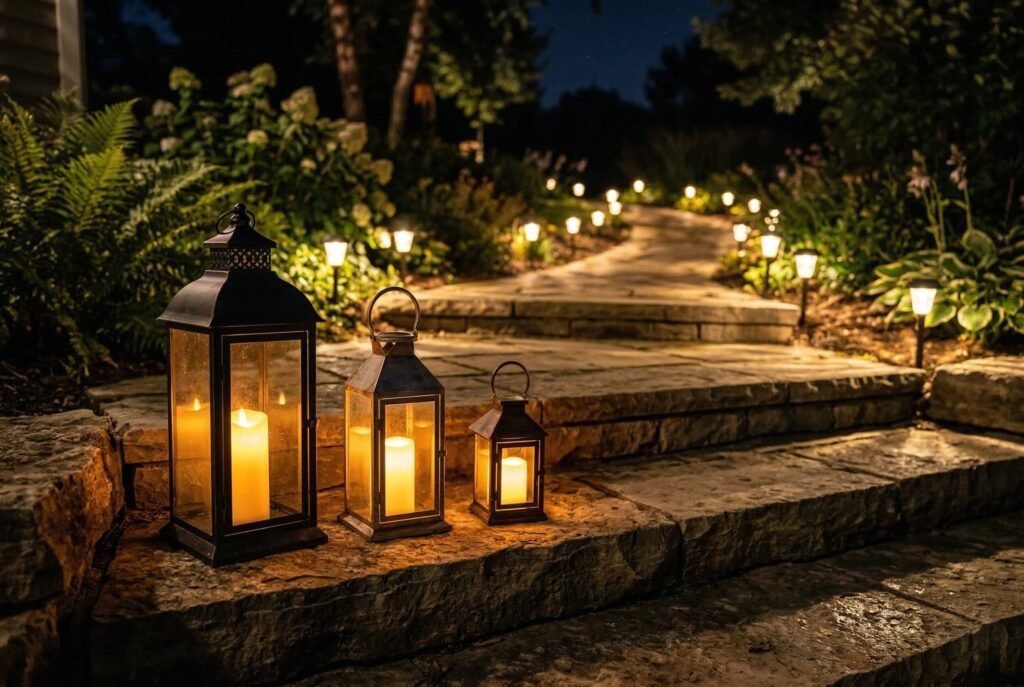
While string lights (#2) are excellent for atmosphere, a comprehensive patio lighting plan involves layering different types of light, much like you would indoors. This ensures safety and improves usability for various activities.
Add functional lighting where needed. This might include a small table lamp (solar or battery-powered options work well) on a side table for reading or eating. For safety and architectural highlighting, install simple solar path lights or spotlights focused on specific plants or steps.
You can also use lanterns, either filled with real candles or realistic LED flameless versions. Placing lanterns of various sizes on the ground or on tables adds a warm, low-level glow that enhances the cozy feeling created by the string lights.
9. Upcycle or Repurpose Furniture with Exterior Paint
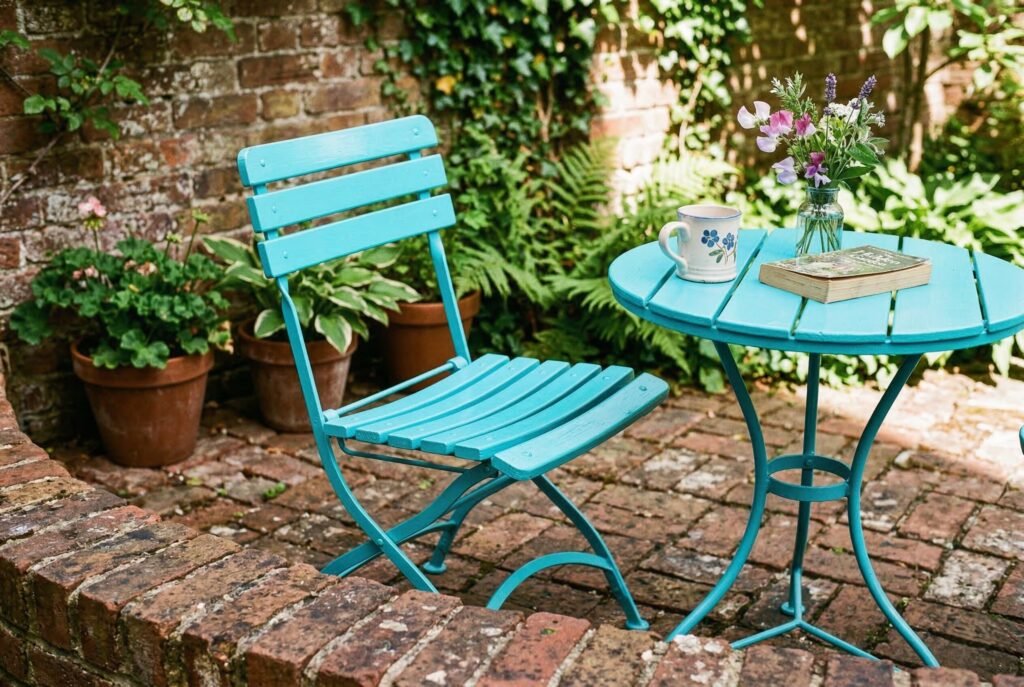
You don’t always need to buy new furniture to get a new look. Upcycling is a budget-friendly way to copy high-end trends today. An old wooden chair, a dated metal table, or even simple concrete blocks can be transformed with a fresh coat of exterior-grade paint.
The key is proper preparation. Clean the item thoroughly and, if it’s wood, give it a light sanding. Metal furniture may need a wire brush to remove rust. Use a high-quality primer and then apply an exterior paint that is suitable for the material (wood, metal, plastic).
Choose a bold color for an accent piece, like a bright teal or yellow bistro set, or stick with classic whites, blacks, or greys for a timeless update. This is a fast, impactful, and inexpensive DIY project.
10. Maximize Small Patios with Multi-Functional Furniture
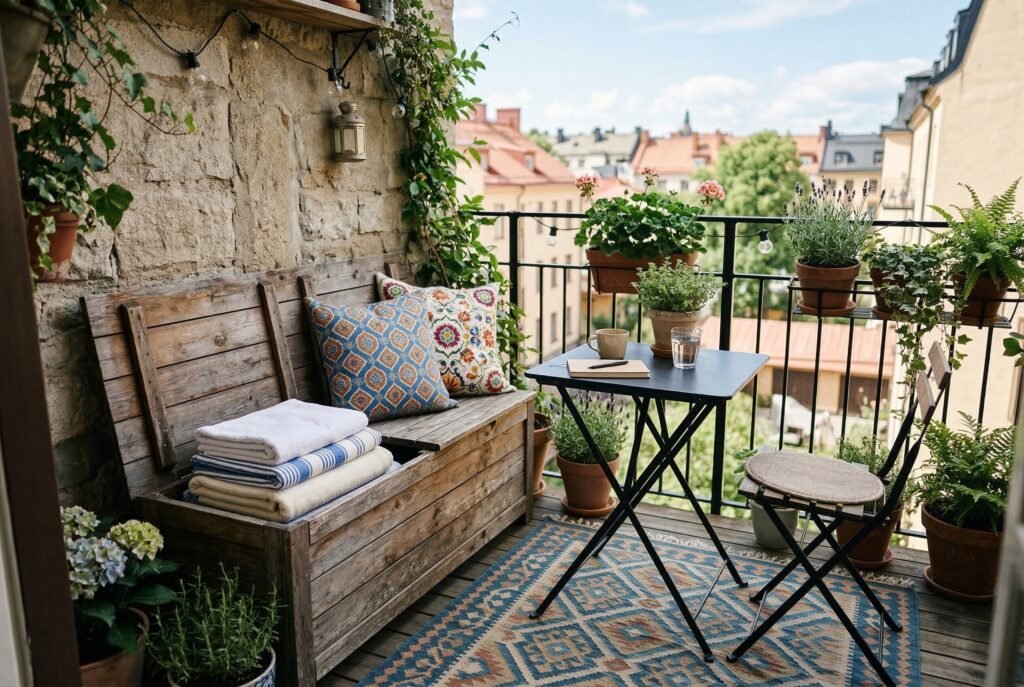
If your patio is small, furniture that serves more than one purpose is essential for maintaining a clutter-free and usable space. You can implement this today by choosing pieces that stack, fold, or offer storage.
Look for benches that open to reveal storage for cushions or garden tools. Consider a coffee table that can also be used as a bench or footrest. Folding bistro sets are classic for small spaces because they can be easily tucked away when the full area is needed for other activities.
By carefully selecting multi-functional items, you ensure your small patio remains versatile and doesn’t feel overwhelmed by furniture.
11. Define Zones for Dining and Relaxing
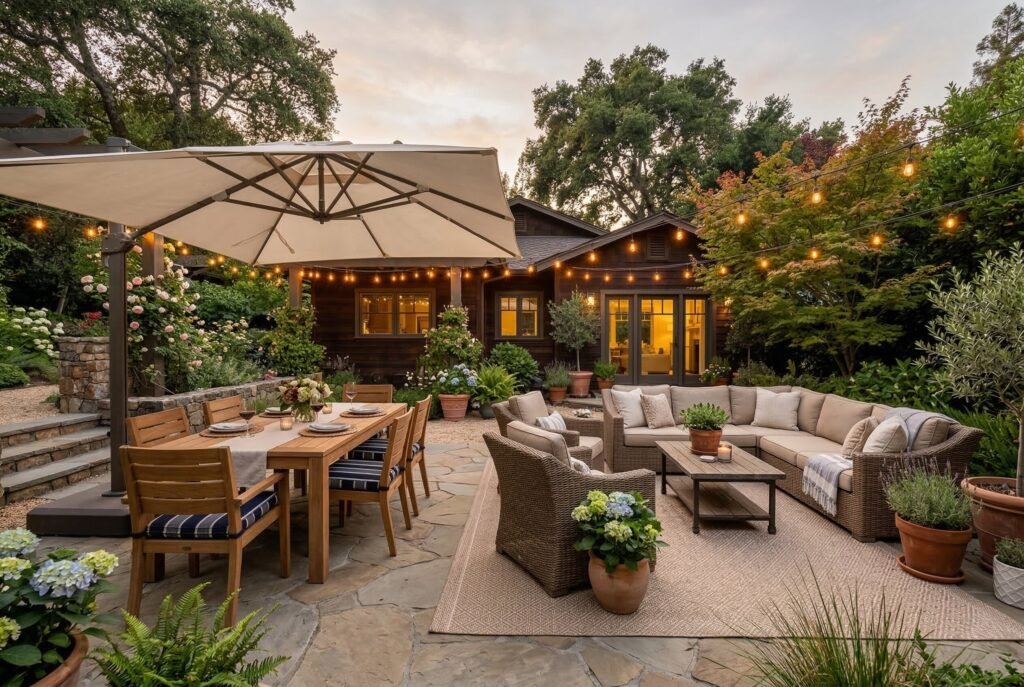
Even on a medium-sized patio, defining specific functional zones helps organize the space and makes it more inviting. This tells people how to use the area.
You don’t need walls to create zones. Use furniture placement and rugs. As mentioned in idea #1, a rug anchors a conversation or seating zone. A dining table and chairs define the eating zone.
If your patio allows, separate these two functions. Even if they are close, placing the dining table to one side and the conversational seating area on the other creates distinct areas of purpose. This simple organizational technique makes the overall patio feel larger and more purposeful.
12. Create a “Green Wall” with Climbing Vines
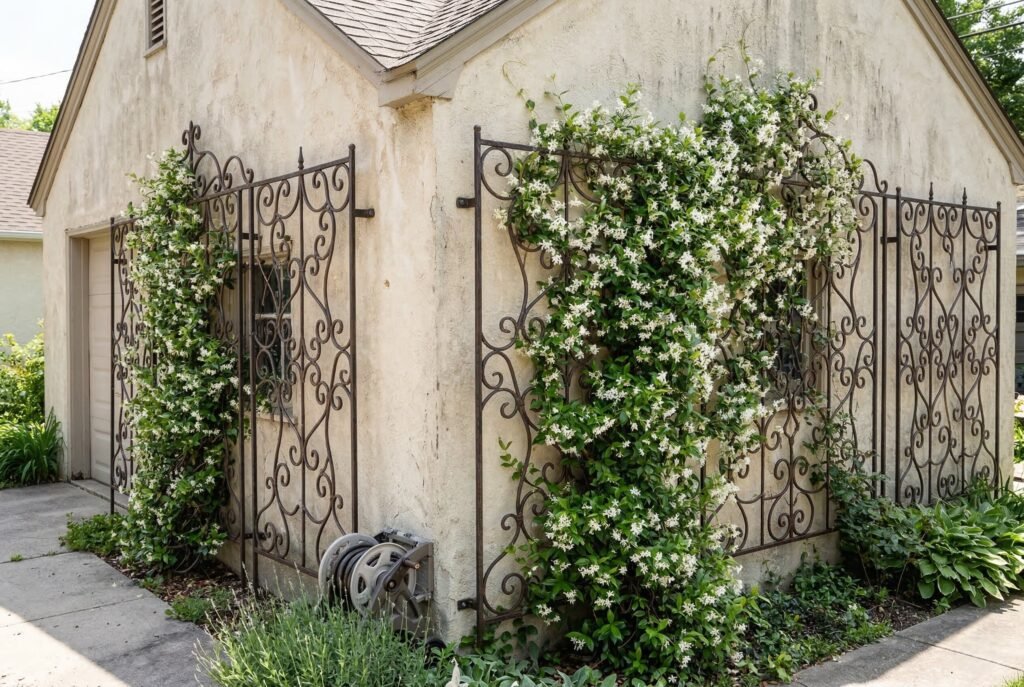
A “green wall” adds massive amounts of vertical interest, texture, and natural life to a patio without requiring a heavy construction project or complex irrigation. This is an effective strategy for beautifying a boring wall or garage side.
The fastest way to do this is to set up a trellis. You can lean a pre-made wood or metal trellis against a wall or mount it directly. Plant fast-growing climbing vines at the base, either in the ground or in large pots.
Good choices for sun include climbing roses, jasmine (which adds fragrance), or trumpet vine. For shade, consider ivy or climbing hydrangeas. As the vines grow, they create a lush, living backdrop.
13. Upgrade with Oversized Potted Plants for Instant Impact
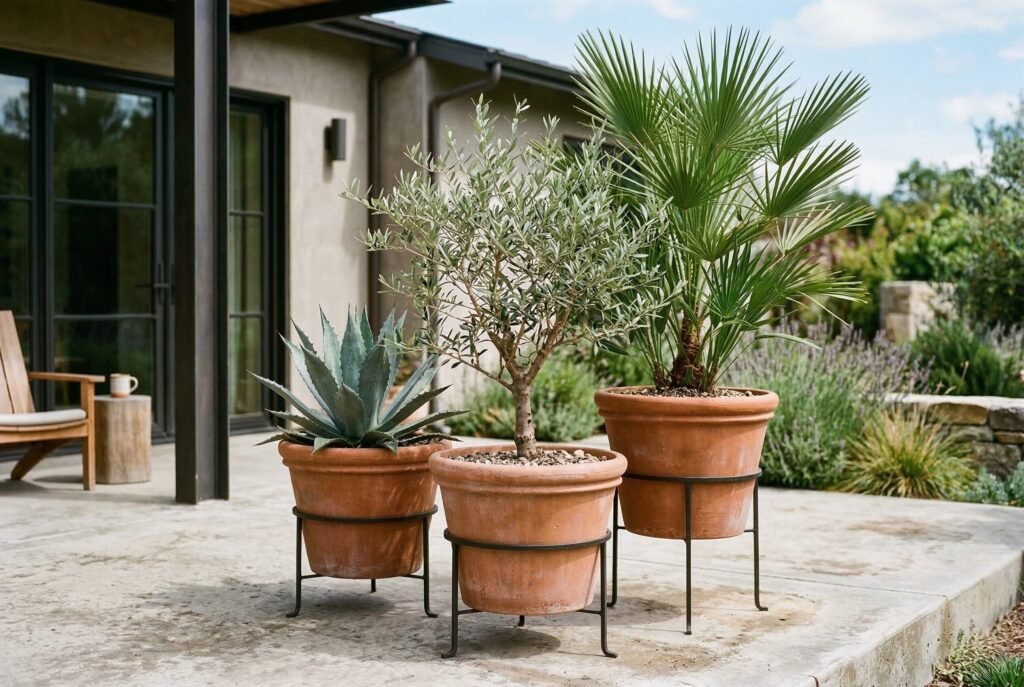
Small, scattered pots can make a patio feel cluttered. Instead, opt for the “less is more” approach by using fewer, larger pots with oversized plants. This creates immediate drama and a high-end, designer look.
Place large planters (24 inches in diameter or larger) in key locations, such as at the entrance of the patio, in the corners, or flanking a doorway. Tall plants like palms, bird of paradise, small olive trees, or large fiddle leaf figs (bring them indoors in colder climates) provide vertical height and substantial presence.
Using large pots also simplifies plant care. They hold more soil, meaning they don’t dry out as quickly as small pots, requiring less frequent watering.
14. Place Mirrors to Make Small Patios Feel Larger
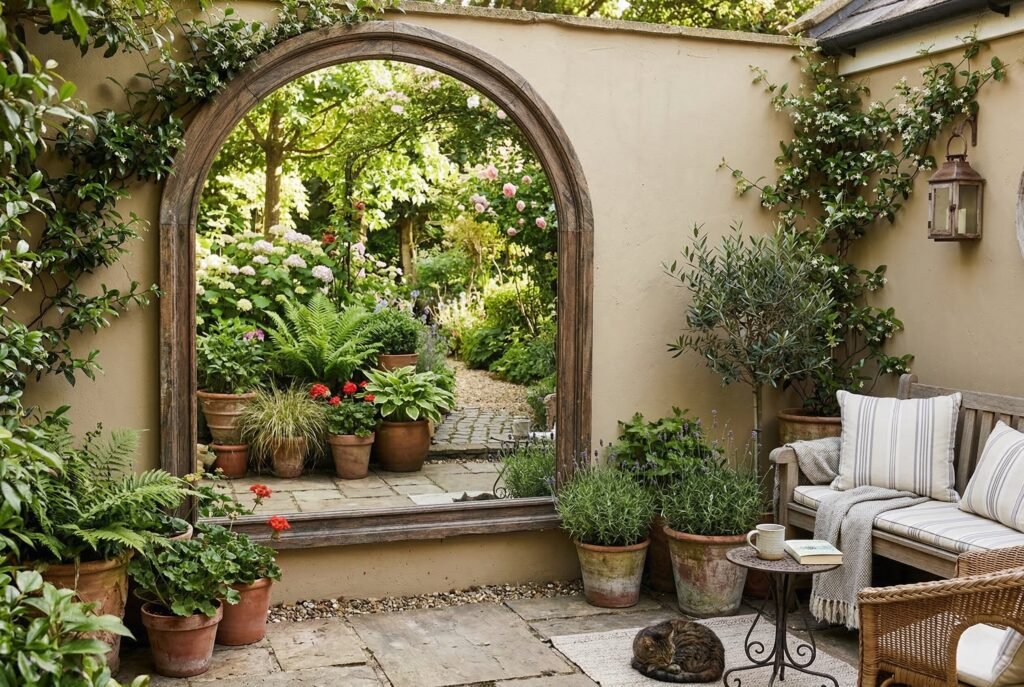
This is a classic interior design trick that translates perfectly to outdoor spaces. Strategically placing a mirror on your patio wall can instantly make a small or enclosed area feel larger, brighter, and more open.
A mirror works by reflecting light and, crucially, the surrounding greenery. This creates a visual “window” that tricks the eye into seeing more depth and space.
When hanging a mirror, ensure it is securely mounted and positioned to reflect something attractive, like a garden area or a nice grouping of plants. Choose a mirror with a weather-resistant frame, or use an old mirror and seal the frame well.
15. Integrate Water Features for Sound and Calm
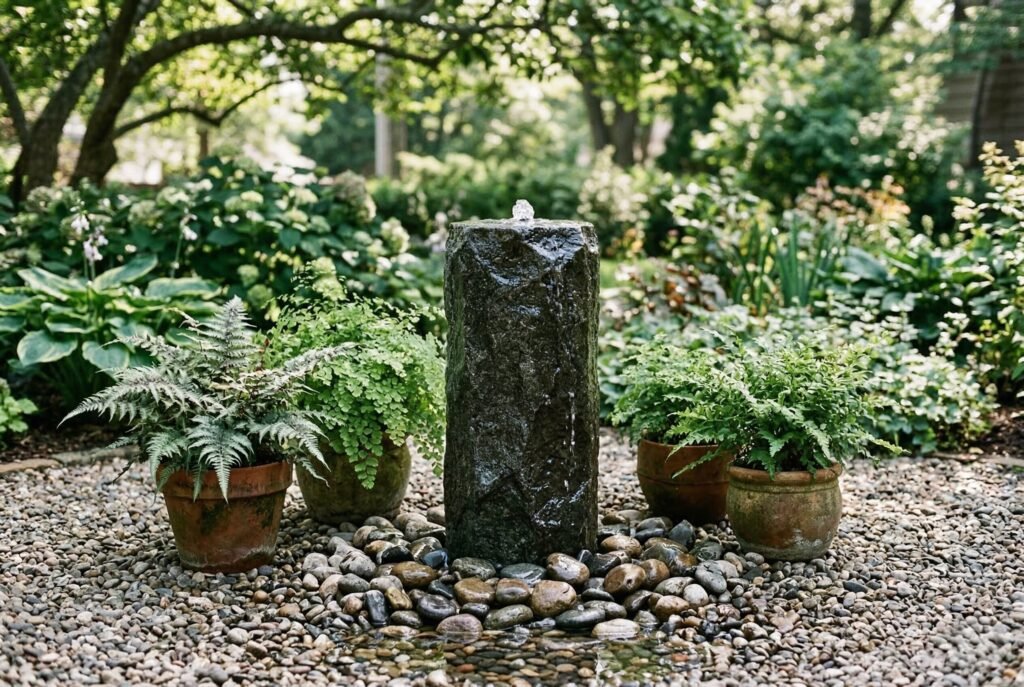
The sound of running water is instantly relaxing and can help mask unpleasant noises from street traffic or neighbors. You don’t need a complex built-in pond to enjoy this benefit.
You can easily copy this today with a freestanding, plug-and-play fountain. These are available in countless styles, from modern abstract designs to traditional tiered options. Many only require being filled with water and plugged into an outlet.
Alternatively, create a simple container water garden. Use a large, watertight pot (like a sealed glazed ceramic or a sturdy metal trough). Add a small aquatic pump and a mix of water plants like miniature water lilies and water hyacinths.
16. Install a DIY Fire Pit for Evening Gathering
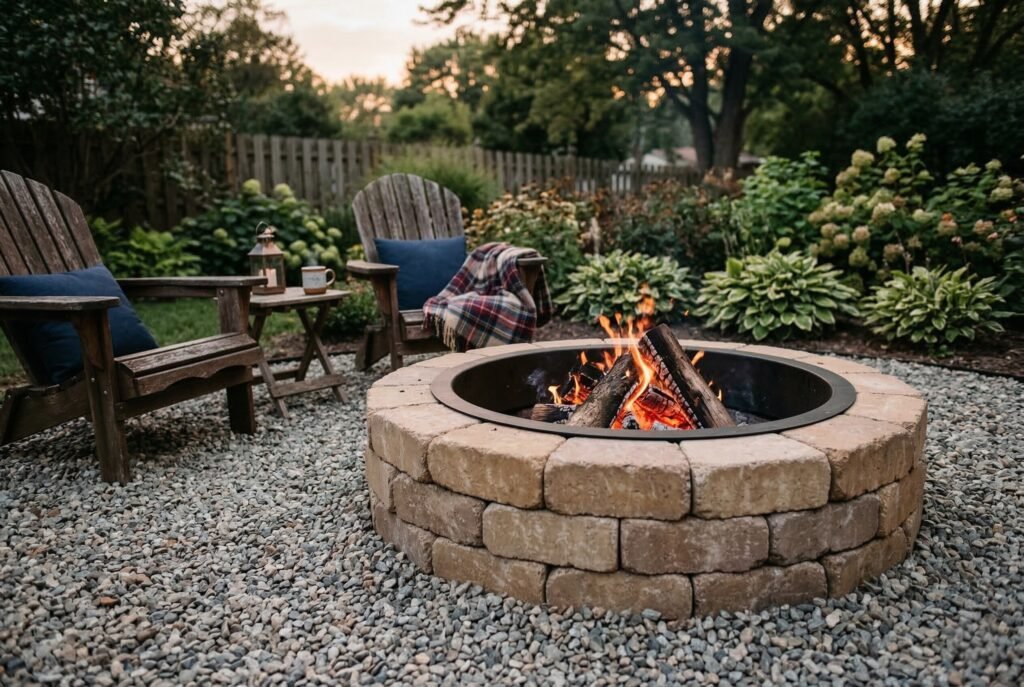
A fire pit is a universal magnet for evening gatherings, providing warmth, light, and a natural focus point. While you can purchase excellent pre-made fire bowls or tables, building a simple one yourself is a fast and affordable way to upgrade your patio.
The easiest method is using retaining wall blocks available at home improvement stores. You don’t need mortar; you simply stack them in a circle on a level surface (like a gravel or sand base, not directly on a wood deck). Insert a steel fire ring inside to contain the heat and protect the blocks.
This creates a permanent-looking feature that enhances the usable hours of your patio and adds significant character.
17. Accessorize with All-Weather Decor
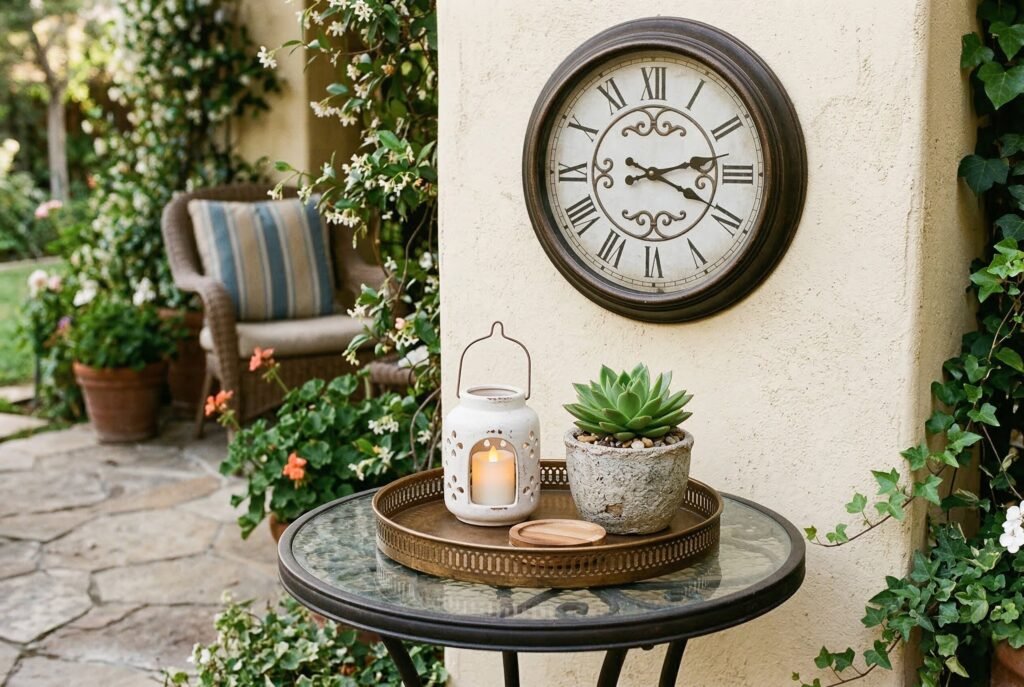
Decorating a patio goes beyond furniture and plants. Treat the walls and surfaces like you would indoors, but with items designed for outdoor use. This unifies the space and makes it feel finished.
Think about outdoor wall art. You can find beautiful metal sculptures, weather-resistant prints, or architectural pieces that add interest to boring siding or a brick wall.
Add style to side tables with outdoor-safe trays (metal or plastic) to hold drinks or small plants. Don’t forget functional decor like outdoor clocks or thermometers, which can be both stylish and practical. These small details aggregate to make a big design difference.
18. Use Outdoor Throws for Comfort and Style on Cooler Evenings
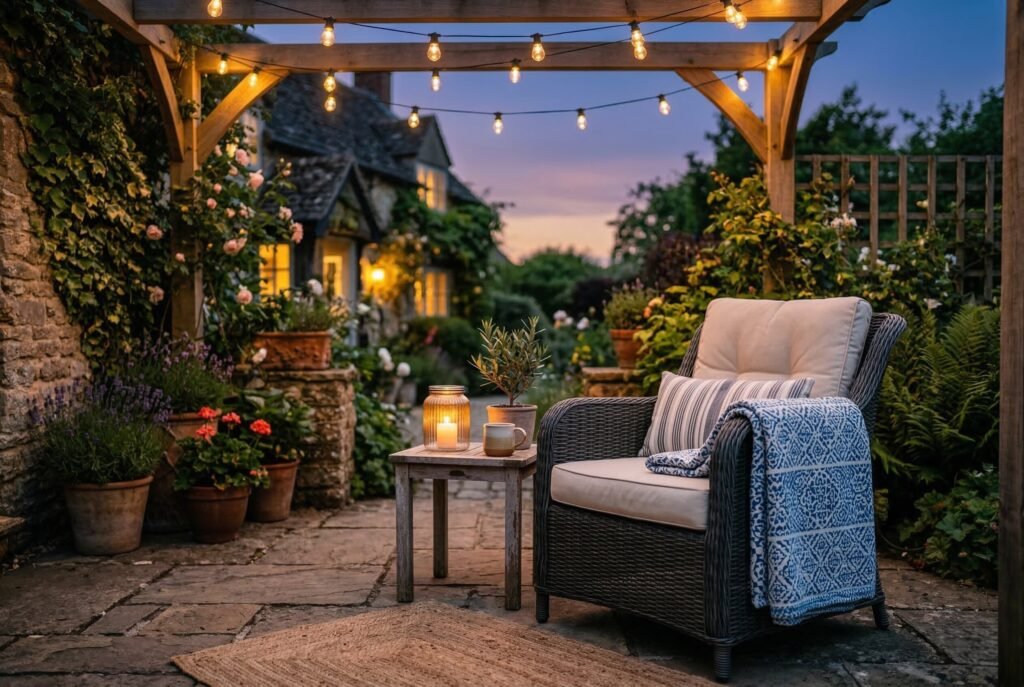
As the sun sets and the temperature drops, a soft throw blanket is invaluable for remaining comfortable on the patio. Beyond function, throws are an excellent way to introduce color and pattern that can be changed seasonally.
You can find blankets specifically designed for outdoor durability, made from materials like acrylic or treated polyester that resist moisture and fading. However, many people simply use soft, easy-to-wash fleece or cotton throws that they bring outside as needed.
When not in use, store them in a decorative, weather-resistant basket (like the rattan one mentioned in #6) to keep them clean and accessible. Draping a throw over the arm of a chair instantly makes it look more inviting.
19. Hang a Hammock or Hanging Chair for the Ultimate Relaxation Spot
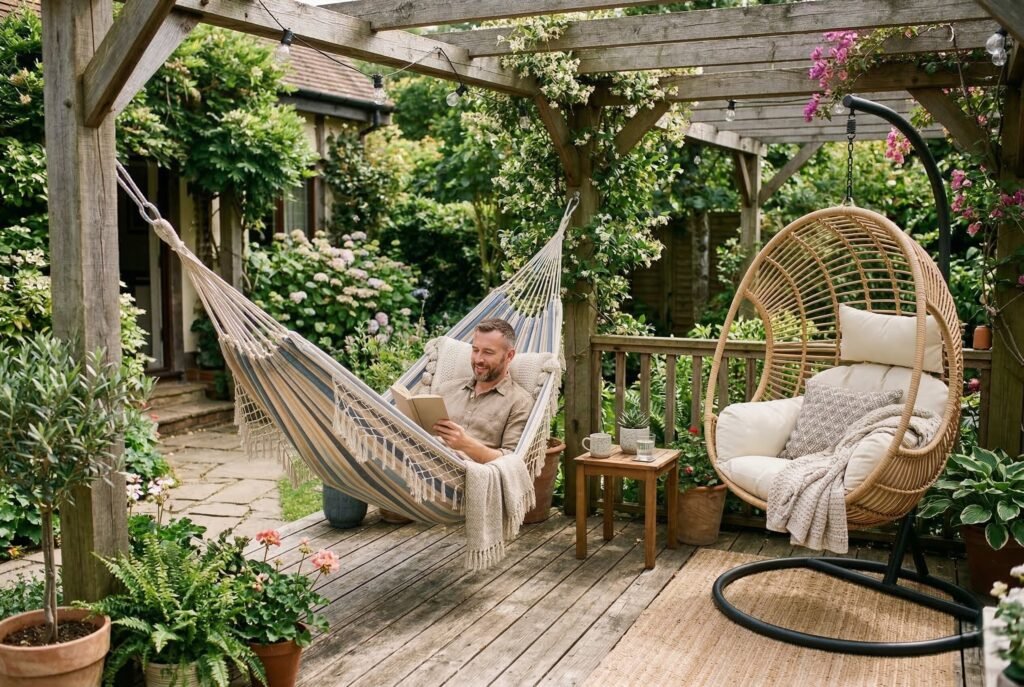
Few things say “relaxation” like a hammock. If you have trees or strong overhead patio beams (like on a pergola), hanging a hammock or a single hanging chair is one of the most effective ways to create a dedicated spot for unwinding.
For a classic look, use a fabric hammock. If space is tighter, a hanging chair is a great alternative. These often only require a single attachment point and can provide a comfortable, floating seating experience.
If you have no structures or trees, don’t worry. Free-standing hammock stands and hanging chair stands are widely available and can be placed anywhere on the patio, making this an easy idea to copy today.
20. Freshen Up with a Small Bistro Set in a Corner
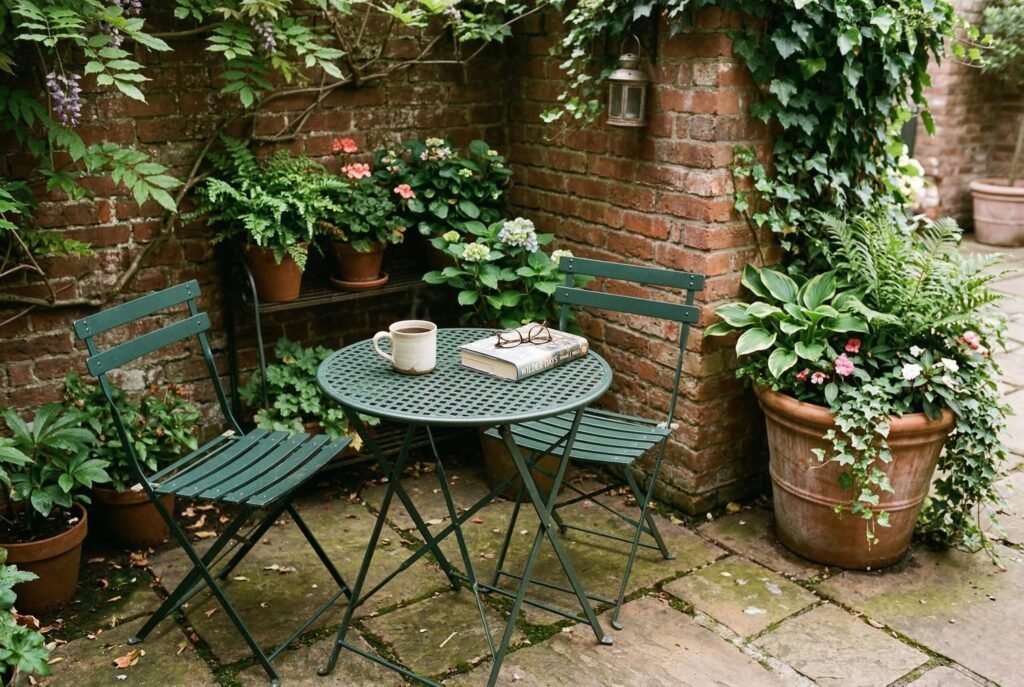
You don’t need to commit to a full patio makeover to get better use out of a specific corner. A small, two-seater bistro set (table and two chairs) can instantly transform a neglected nook into a functional breakfast spot, a reading corner, or a place for evening wine.
Bistro sets are typically small in scale, making them perfect for maximizing odd corners, narrow walkways, or small balconies.
Choose from various materials. Metal bistro sets often have a classic European feel, while wooden or all-weather wicker sets offer a more casual or modern aesthetic. This single purchase provides a defined purpose for a previously underutilized space.
21. Refresh and Refill Planters with New Seasonal Colors

Sometimes the easiest “copy today” idea is simply refreshing what you already have. Over time, patio planters can look tired, overgrown, or seasonal-appropriate.
Take a look at all your potted plants. Pull out any that are dead or struggling. Repot plants that have outgrown their containers. Most importantly, refill the prominent pots with new, vibrant seasonal colors.
If it’s spring, focus on bright annuals like petunias, geraniums, or violas. For summer, try heat-loving plants like lantana, sweet potato vine, or succulents. This fast update provides an immediate boost of color and life.
Conclusion
Decorating your patio is an ongoing process of adding comfort, style, and functionality. By focusing on practical, easy-to-copy ideas like defining zones, upgrading lighting, introducing greenery, and prioritizing comfort, you can create an inviting outdoor sanctuary without excessive effort or expense.
The key is to start small. Choose one or two ideas from this list that resonate with you and implement them today. Whether it is simply rolling out a rug or stringing up lights, these changes will make an immediate and noticeable difference in how you use and enjoy your outdoor living space. Your patio is an opportunity to extend your home’s personality, make the most of it.