

We all know the feeling. You are enjoying a beautiful summer evening on your patio or in your backyard. The weather is perfect, the company is great, and you have a cold drink in hand. Then you hear it. That high-pitched buzzing sound near your ear.
Suddenly, relaxing outdoors becomes a battle. You spend the rest of the night swatting at the air and itching from uncomfortable bites. Mosquitoes are more than just annoying pests; they can ruin outdoor living and carry dangerous diseases.
Many people turn to chemical sprays and store-bought repellents containing DEET. While these can be effective, many homeowners are looking for more natural alternatives. They want solutions that are safe for kids, pets, and the local ecosystem.
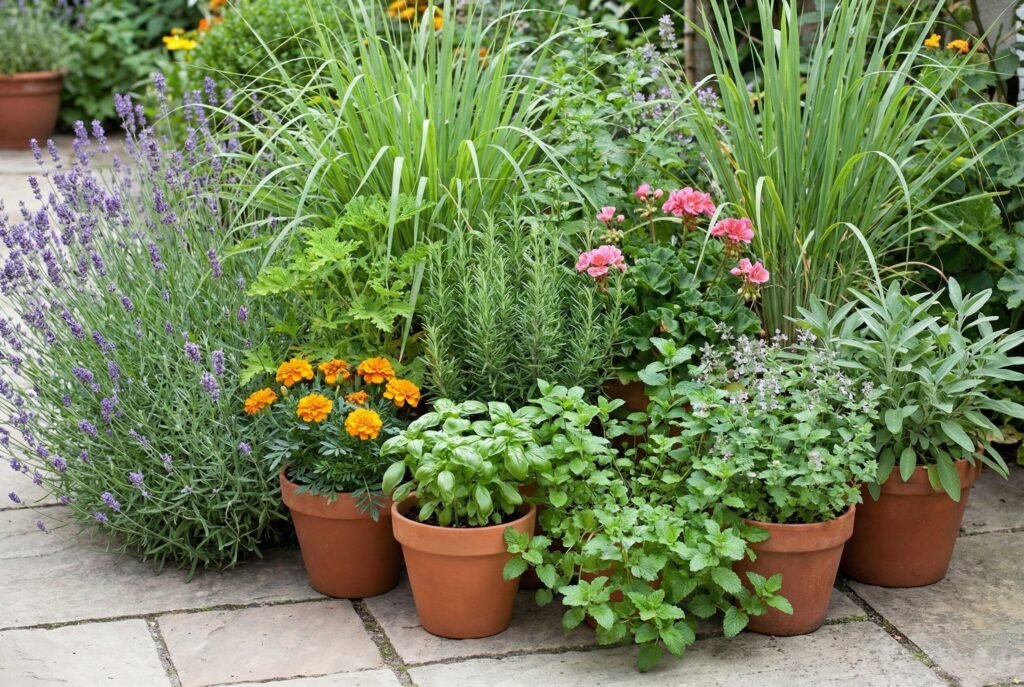
Nature has provided its own defense system against these biting insects. Certain plants have evolved over thousands of years to produce natural oils and scents that repel pests. By strategically adding these plants to your garden, patio, or balcony, you can create a protective barrier and enjoy your outdoor space again.
This guide will detail over ten of the best plants that repel mosquitoes. We will look at why they work, how to grow them, and where to place them for maximum effect.
How Do Plants Actually Repel Mosquitoes?
Before diving into the list of specific plants, it is important to understand how they work. Plants do not act like bug zappers that kill insects on contact. Instead, they work by confusing the mosquito’s sophisticated radar system.
Mosquitoes hunt their targets primarily through scent. They are highly attracted to the carbon dioxide we exhale, as well as the lactic acid and other chemicals found in our sweat. They can detect these scents from a significant distance.
The plants listed in this guide produce strong volatile essential oils. To us, these plants often smell pleasant, herbal, or lemony. To a mosquito, however, these strong scents are overwhelming.
These potent plant odors mask the smell of carbon dioxide and human sweat. When a mosquito enters an area filled with the scent of citronella, lavender, or peppermint, its olfactory sensors get overloaded. It cannot locate its target you. Consequently, it moves on to find an easier meal elsewhere.
Setting Realistic Expectations
It is crucial to be realistic about what these plants can and cannot do. Simply planting one geranium in the corner of a large backyard will not make your entire property mosquito-free.
For these plants to be effective, you need to use them correctly:
- Proximity is Key: The plants need to be close to where you are sitting. The scent concentration is strongest right next to the plant.
- Quantity Matters: A single plant won’t do much. You need clusters of plants to create a significant scent barrier.
- Agitation Helps: Often, the scent is locked inside the leaves. The repellent effect is strongest when the leaves are crushed, rubbed, or rustled by the wind. You can manually rub the leaves before sitting down to release more of the essential oils.
By understanding these principles, you can design a garden space that actively fights back against biting pests.
Here is a detailed look at more than 10 plants that repel mosquitoes effectively.
1. Citronella Grass (Cymbopogon nardus)
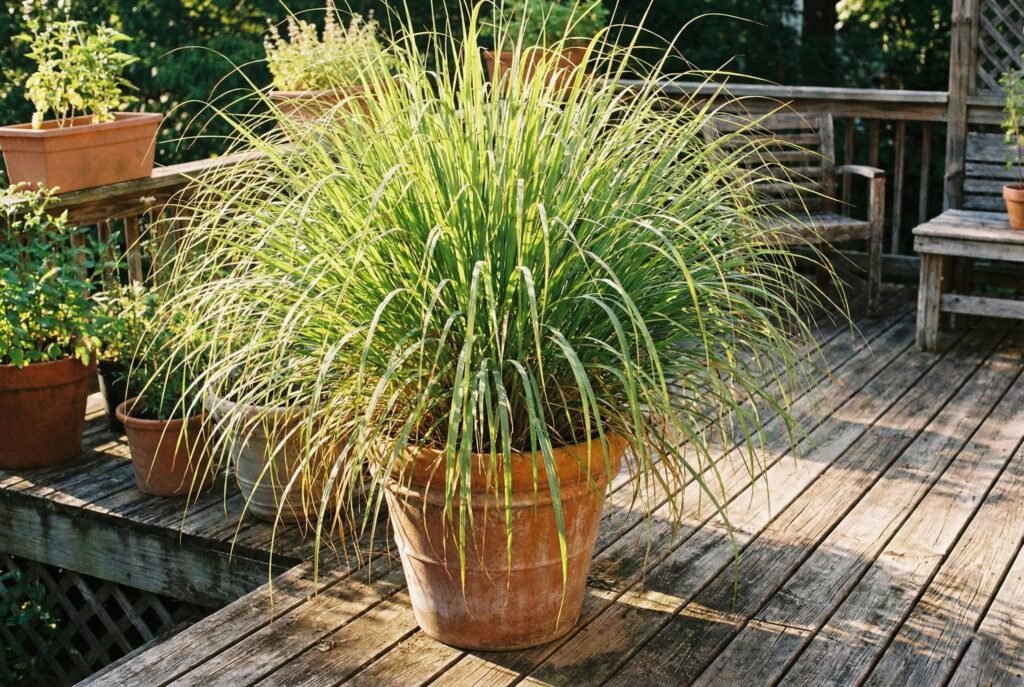
Citronella is perhaps the most famous name in natural mosquito control. It is the active ingredient in countless repelling candles, torches, and sprays. However, the living plant is often more effective than a processed candle.
True Citronella is a clumping grass that looks very similar to ornamental grasses. It can grow quite large, reaching heights of five or six feet in the right conditions. It emits a very strong, lemony scent that is highly effective at masking human attractants.
How to Grow and Use It:
Citronella grass is a tropical plant. It loves full sun and well-draining soil. If you live in a colder climate with freezing winters, you must treat citronella as an annual or grow it in a large pot that can be brought indoors during the winter. Because it grows large, it makes an excellent background plant for a garden bed or a statement piece in a large container near a seating area.
2. Lavender (Lavandula)
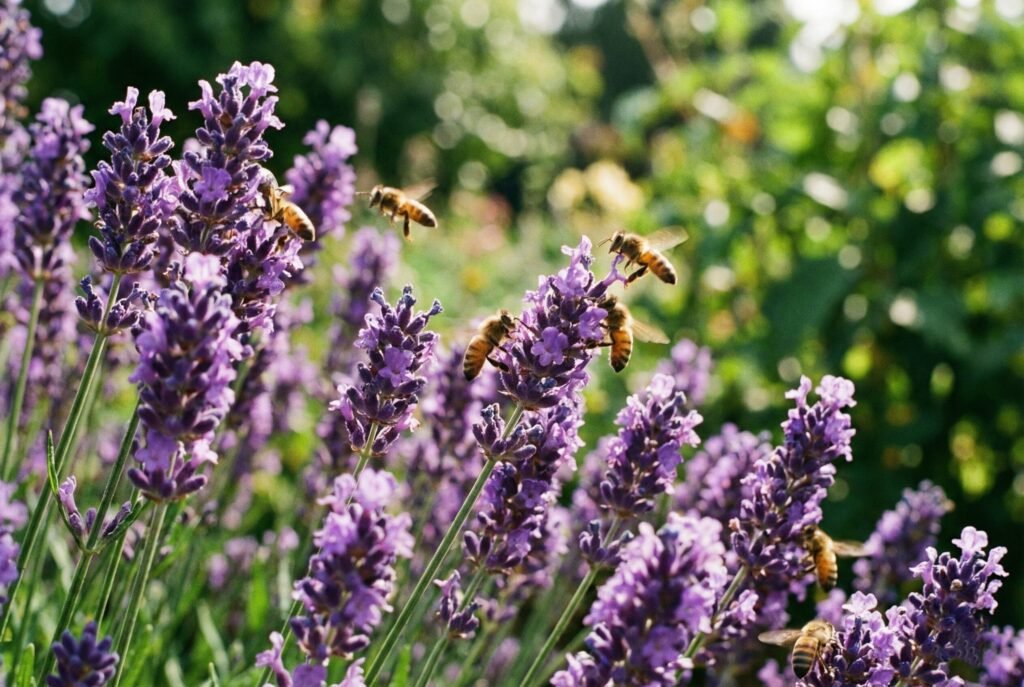
We humans love the scent of lavender. We use it in soaps, lotions, and sleep aids because it is calming and pleasant. Mosquitoes, on the other hand, hate it. The very scent that relaxes us is repulsive to them.
Lavender contains a compound called linalool, which is known to have insecticide properties. It doesn’t just repel mosquitoes; it also helps deter flies, fleas, and moths. As a bonus, lavender is highly attractive to beneficial pollinators like bees and butterflies.
How to Grow and Use It:
Lavender thrives in full sun and requires soil that drains very well. It does not like “wet feet” and will rot in soggy soil. It is a Mediterranean plant, so once it is established, it is quite drought-tolerant. It is a perennial in many climates, meaning it will come back year after year. Plant it along walkways where you will brush against it, releasing its fragrance as you pass.
3. Marigolds (Tagetes)

Marigolds are a staple in many vegetable gardens because they are known as companion plants that deter various pests, including nematodes and aphids. They are also excellent at repelling mosquitoes.
Marigolds have a distinct, somewhat pungent scent that many flying insects find unpleasant. More importantly, they contain Pyrethrum. This is a natural compound used in many commercial insect repellents.
How to Grow and Use It:
Marigolds are easy-to-grow annuals that love full sun. They are inexpensive and readily available at garden centers every spring. Because they are smaller, they are perfect for creating borders around your patio or planting in window boxes. You can also plant them interspersed among your vegetable plants to protect your harvest from pests while keeping mosquitoes away from you while you garden.
4. Catnip (Nepeta cataria)
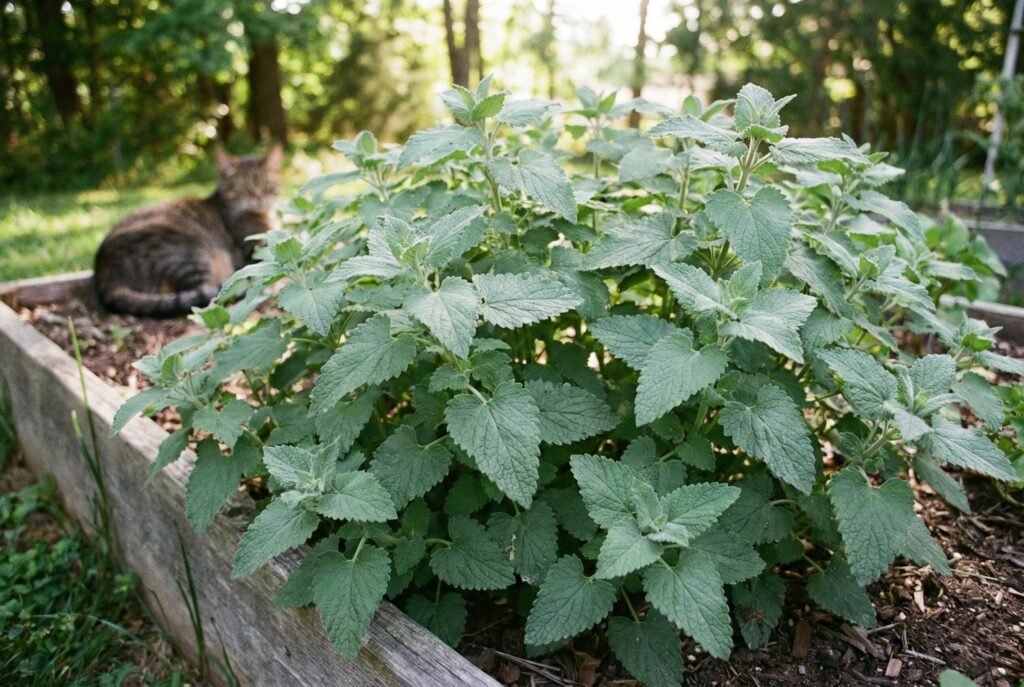
Your cat might love it, but mosquitoes despise it. Catnip is a member of the mint family and contains a chemical called nepetalactone. Studies have shown that nepetalactone can be significantly more effective at repelling mosquitoes than DEET, the chemical found in most commercial bug sprays.
It is a very strong repellent that is easy to grow. The main drawback is that while it repels mosquitoes, it might attract every neighborhood cat to your yard.
How to Grow and Use It:
Like most mints, catnip is very hardy and easy to grow. It prefers full sun to partial shade and well-draining soil. It can spread rapidly, so keep an eye on it. It works well as a ground cover or planted in areas where you want a rugged, low-maintenance plant.
5. Lemongrass (Cymbopogon citratus)
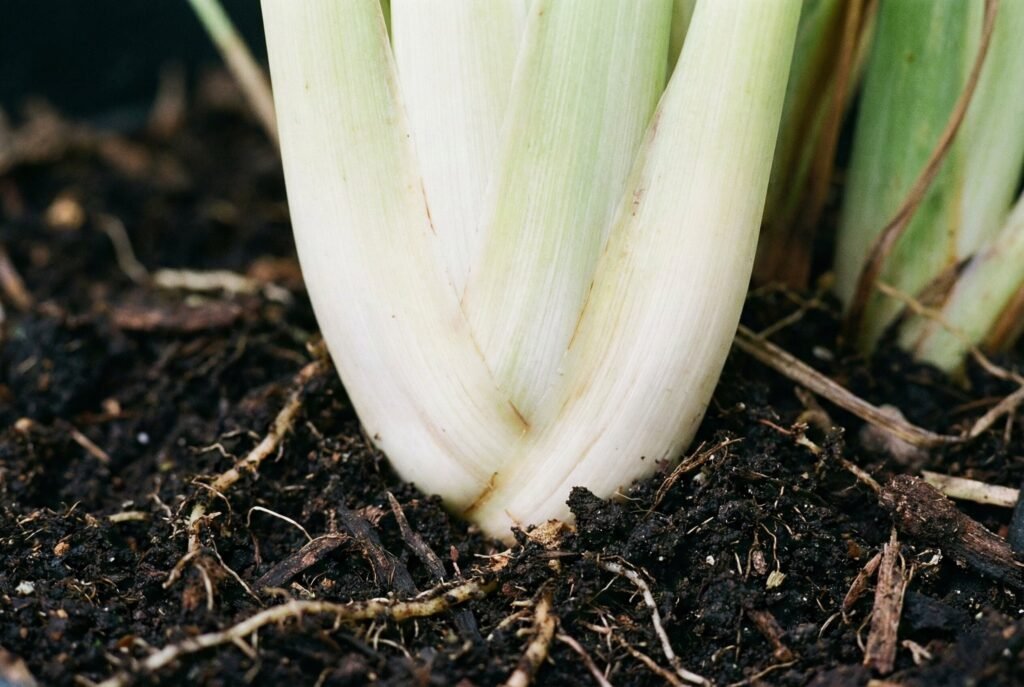
Lemongrass is closely related to citronella grass and shares a similar strong lemon scent. It is widely used in Asian cuisine for its distinct flavor. That same flavor profile relies on citral, an oil that is highly repulsive to mosquitoes.
Many gardeners prefer lemongrass over citronella grass because it serves a dual purpose: it keeps bugs away, and the stalks can be harvested for cooking delicious soups, curries, and teas.
How to Grow and Use It:
Lemongrass needs plenty of sun, warmth, and moisture. Like citronella, it is tropical and tender. In cooler climates, grow it in a pot so you can move it indoors when temperatures drop. It grows in tall, elegant stalks and looks great in large containers on a patio deck.
6. Basil (Ocimum basilicum)
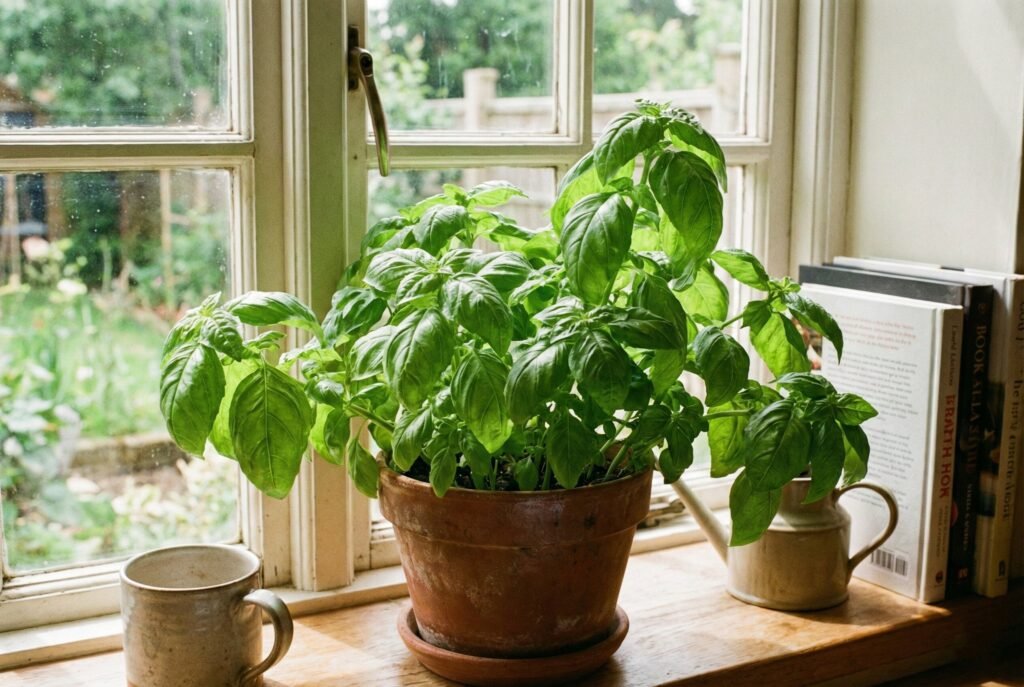
Basil is another fantastic culinary herb that doubles as a mosquito repellent. This is great news for pizza and pesto lovers.
The strong aroma of basil comes from its essential oils, which are toxic to mosquito larvae and irritating to adult mosquitoes. You do not even need to crush basil leaves to release the scent; the plant naturally emits a strong enough aroma to deter pests on its own.
How to Grow and Use It:
Basil loves heat and lots of sun. It also needs regular watering to keep its leaves tender. It is extremely easy to grow in pots on a porch or balcony. Having pots of basil right outside your kitchen door is convenient for cooking and helps create a bug-free zone near the entryway.
7. Rosemary (Rosmarinus officinalis)
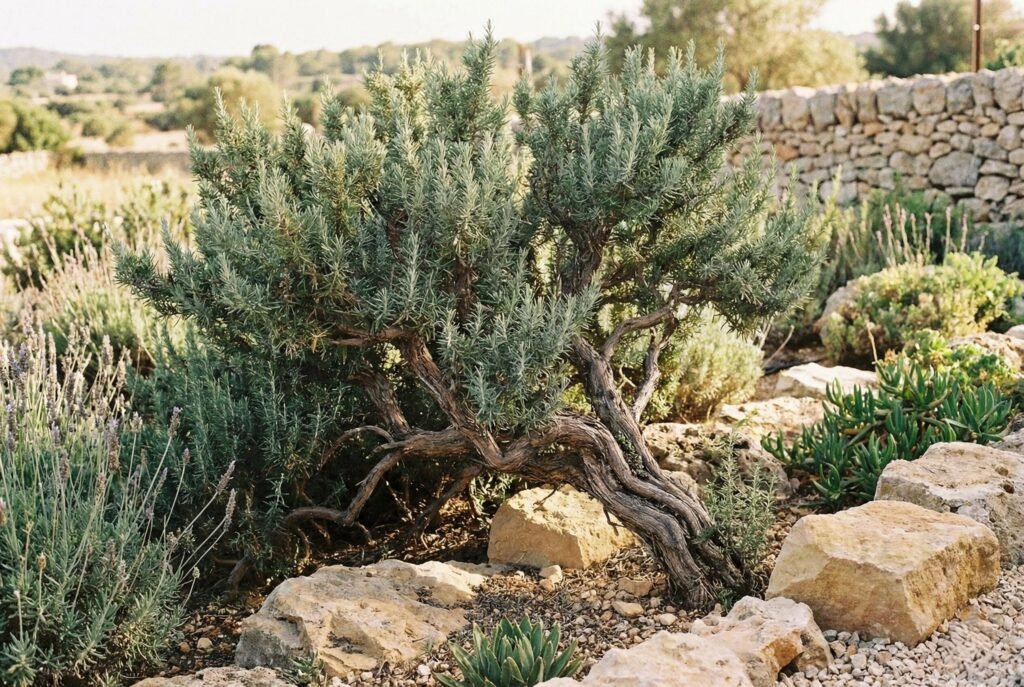
Rosemary is a woody perennial herb known for its pine-like scent and flavor. It is excellent for roasting meats and vegetables. That same strong, woody scent is highly effective at keeping mosquitoes, cabbage moths, and carrot rust flies away.
This is a very durable plant that thrives in hot, dry conditions where other plants might struggle.
How to Grow and Use It:
Rosemary needs full sun and sharply draining soil. It is native to rocky hillsides by the Mediterranean Sea, so it hates sitting in water. Once established, it is very drought-tolerant. You can prune it into hedges around your patio. A great trick is to throw a few sprigs of rosemary on the barbecue grill while you are cooking; the aromatic smoke will help drive mosquitoes away from the cooking area.
8. Peppermint (Mentha piperita)
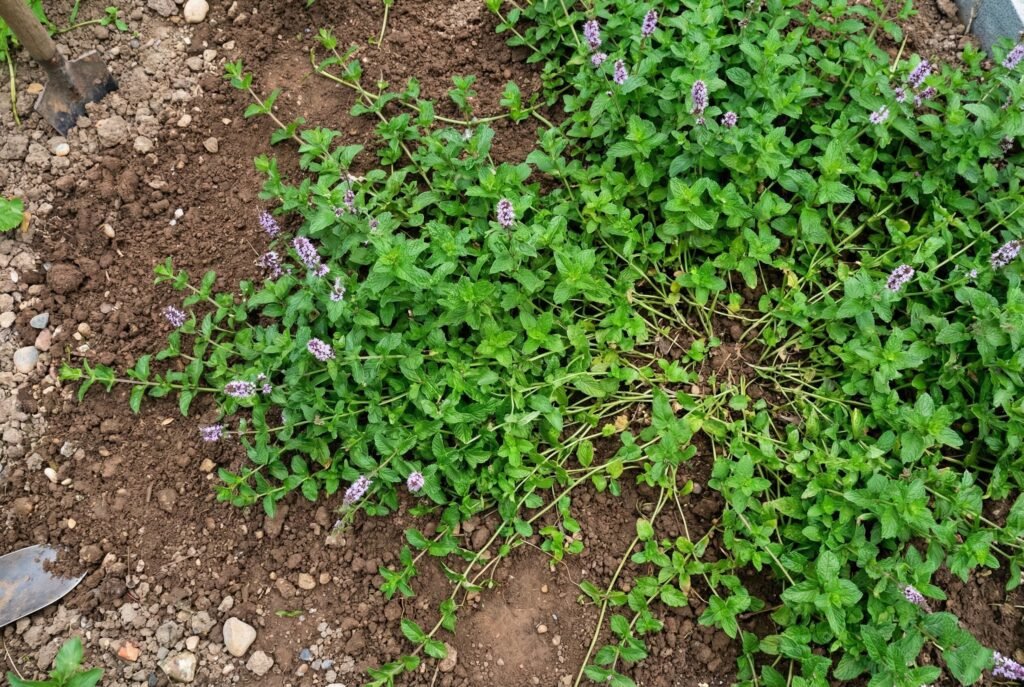
Most people find the sharp, clean scent of peppermint refreshing. Mosquitoes, ants, and mice find it offensive.
The menthol in peppermint acts as a strong natural pesticide and repellent. If you do get bitten, rubbing a peppermint leaf directly on the bite can provide a cooling sensation and relieve the itching.
How to Grow and Use It:
A word of warning: Peppermint is incredibly invasive. Do not plant it directly in the ground unless you want your entire yard to become a peppermint patch. Its roots spread rapidly underground. It is best grown in containers to keep it contained. It is hardy and grows well in sun or partial shade, requiring regular watering.
9. Scented Geraniums (Pelargonium)
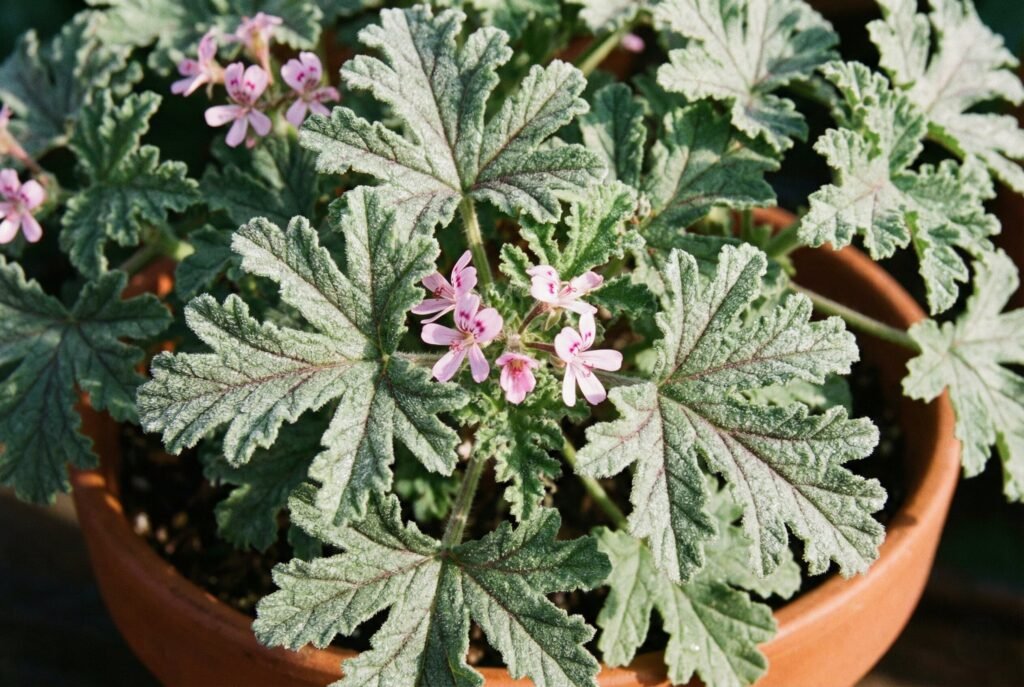
Not all geraniums repel mosquitoes. The common red geraniums you see everywhere won’t do much. You need to look specifically for scented geraniums, particularly the variety often sold as the “mosquito plant” or Pelargonium citrosum.
These plants have been cultivated to smell strongly of citronella oil. They have attractive, lacy foliage and small, delicate flowers.
How to Grow and Use It:
These plants enjoy full sun but can tolerate some afternoon shade in very hot climates. They prefer their soil to dry out slightly between waterings. They are fantastic container plants. Place pots of scented geraniums on tables next to outdoor sofas or chairs so the scent is right where you are sitting.
10. Bee Balm (Monarda)
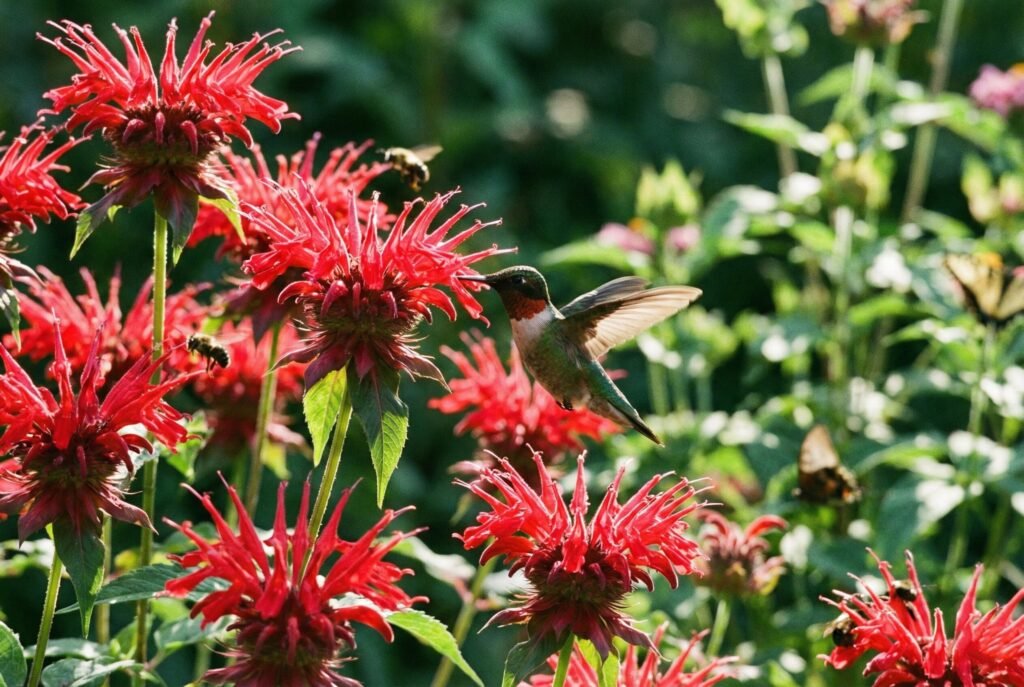
Bee Balm, also known as Bergamot or Horsemint, is a beautiful flowering perennial. As the name suggests, it is a magnet for bees, butterflies, and hummingbirds, making it great for pollinator gardens.
Conversely, it is highly repellent to mosquitoes. When the leaves are crushed, they release strong oils that confuse biting insects.
How to Grow and Use It:
Bee Balm prefers full sun to partial shade. It likes richer, moister soil than some of the Mediterranean herbs on this list. It can get quite tall and is prone to powdery mildew if it doesn’t have good air circulation, so give it some space. It works well in the middle or back of a perennial flower border near a patio.
Bonus Plant: Garlic (Allium sativum)
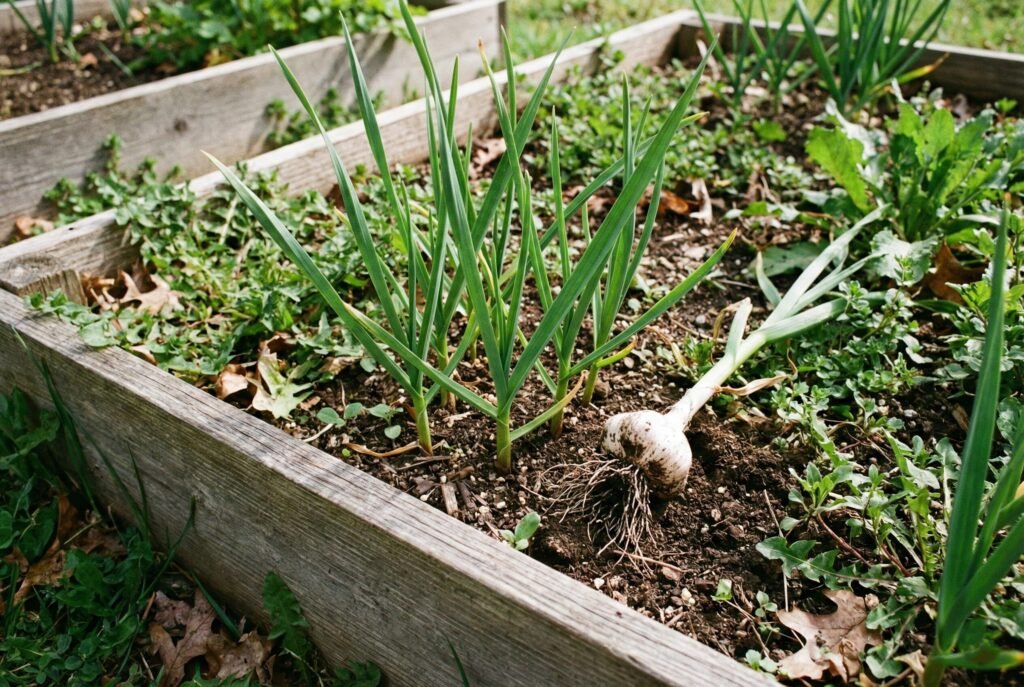
Consuming garlic won’t repel mosquitoes from biting you (that is an old myth), but growing the plant in your garden can help. The strong sulfur compounds in garlic plants act as a deterrent to many insects, including mosquitoes, aphids, and Japanese beetles.
How to Grow and Use It:
Garlic is easy to grow. You typically plant individual cloves in the autumn before the ground freezes, and harvest them the following summer. They need full sun. Planting garlic around the perimeter of your garden can act as a protective barrier for other plants and your outdoor space.
Designing Your Natural Mosquito Defense System
Knowing which plants work is only half the battle. The other half is strategic placement. You want to build layers of defense around the areas where you spend the most time.
Create a “Scent Circle”
Do not just plant these in a far corner of the yard. Bring them onto the patio.
- Container Gardening: Most of the plants listed, especially herbs like basil, rosemary, peppermint, and scented geraniums, thrive in pots. Arrange clusters of different sized pots around your seating area. This puts the scent right where you need it.
- Tabletop Defense: Use smaller pots of marigolds or basil as centerpieces on your outdoor dining table or side tables.
- Borders and Pathways: Plant lavender, rosemary, or catnip along the edges of walkways or garden paths. Every time you walk by and brush against them, you will release a fresh wave of repellent scent.
- Doorways and Windows: Place window boxes filled with marigolds or pots of geraniums near doors and windows. This helps prevent mosquitoes from entering your home when doors are opened.
Other Natural Ways to Boost Protection
While these plants are powerful allies, they work best when combined with other natural mosquito control methods. You cannot rely solely on plants if your yard is a breeding ground for pests.
1. Eliminate Standing Water
This is the single most important step in mosquito control. Mosquitoes lay their eggs in stagnant water. Even a bottle cap full of water is enough for them to breed.
Regularly inspect your property and dump out water from:
- Flowerpot saucers
- Birdbaths (change the water every two days)
- Clogged gutters
- Old tires
- Buckets or watering cans
- Tarp covers on boats or grills
2. Use Air Movement
Mosquitoes are very weak fliers. A simple electric fan on your patio can work wonders. The breeze makes it difficult for them to fly, and the moving air helps disperse the carbon dioxide you exhale, making you harder to find.
3. Encourage Predators
Create an ecosystem that welcomes animals that eat mosquitoes. Installing a bat house or birdhouses for insect-eating birds like purple martins or swallows provides natural, 24-hour pest control. Dragonflies are also voracious mosquito predators; a healthy garden ecosystem will attract them.
Conclusion
Turning your backyard into a mosquito-free zone does not require harsh chemicals or expensive exterminators. By harnessing the natural power of plants, you can create a beautiful, fragrant, and enjoyable outdoor space.
By strategically planting a combination of citronella, lavender, marigolds, and herbs, and combining them with good yard hygiene practices like eliminating standing water, you can significantly reduce the mosquito population.
Gardening with these plants is a safe, effective, and environmentally friendly way to take back your patio and enjoy the outdoors in peace. Start planning your defense garden today, and prepare for a more relaxing, bite-free summer.