

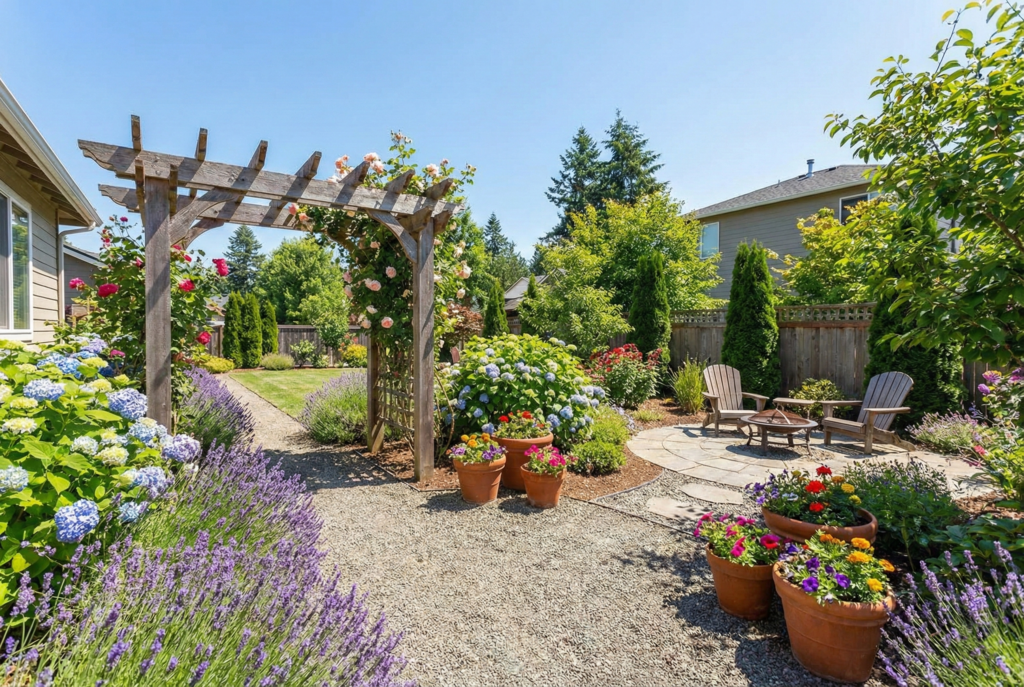
Summer is the perfect time to enjoy your backyard, but the intense heat and dry spells can take a toll on your lawn and garden. Creating a beautiful outdoor space during the warmest months does not require a degree in landscape architecture or a massive budget. With a few strategic choices, you can build a vibrant, low-maintenance yard that thrives in the sun and boosts your home’s curb appeal.
This guide provides more than fifteen practical, simple summer landscaping ideas. Whether you want to reduce your water bill, add a splash of color, or create a cozy entertaining area, these tips will help you optimize your outdoor living space.
The Importance of Summer-Specific Landscaping
Before jumping into the ideas, it is important to understand why summer landscaping requires a specific approach. Spring is about growth and blooming, while summer is about endurance. High temperatures and less rainfall mean your soil dries out faster, and plants experience heat stress.
By optimizing your yard for summer, you achieve three main goals:
- Water Conservation: Choosing the right plants and watering methods reduces your water bill and supports the local environment.
- Lower Maintenance: Summer should be spent relaxing, not pulling weeds or watering plants for hours every day.
- Lasting Curb Appeal: A yard built to withstand heat will look green and inviting even in August, rather than brown and wilted.
Here are the best simple landscaping ideas to implement this summer.
1. Plant Drought-Tolerant Native Species
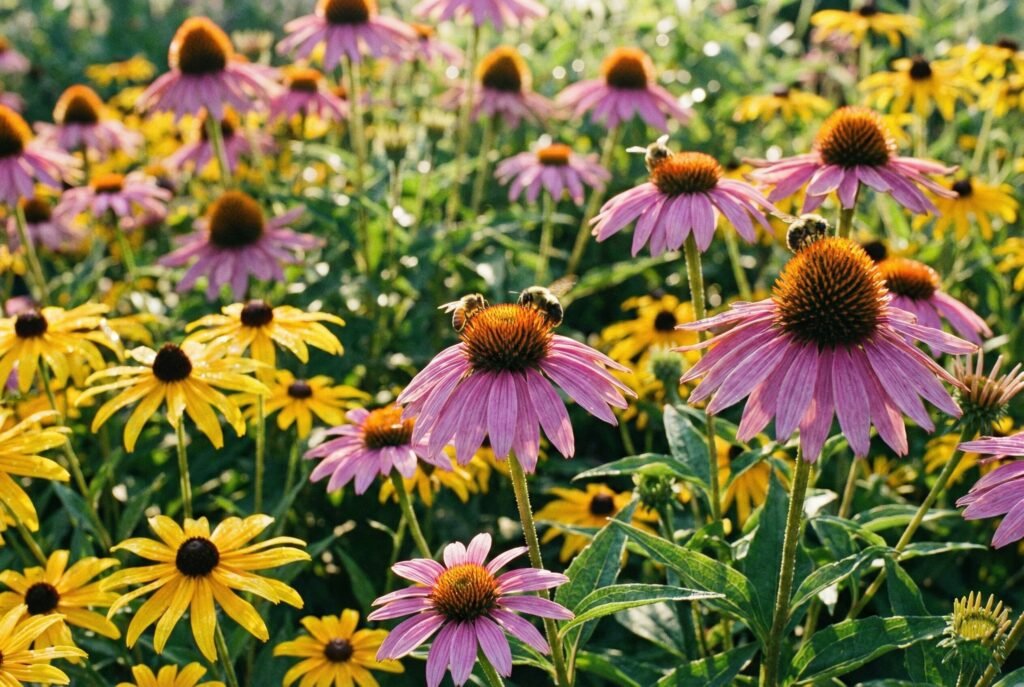
One of the easiest ways to ensure your garden survives the summer heat is to plant native species. Native plants naturally adapt to your local climate, soil conditions, and rainfall levels. Once established, they require significantly less water and fertilizer than exotic plants.
Drought-tolerant plants store water in their leaves or have deep root systems to reach underground moisture. Consider adding these to your flower beds:
- Coneflowers (Echinacea): Bright, daisy-like flowers that love full sun and attract butterflies.
- Black-Eyed Susans: Tough, bright yellow flowers that bloom throughout the summer.
- Lavender: Offers a wonderful fragrance, beautiful purple blooms, and thrives in hot, dry conditions.
- Succulents and Cacti: Ideal for arid climates and require almost zero supplemental watering.
2. Add a Fresh Layer of Organic Mulch
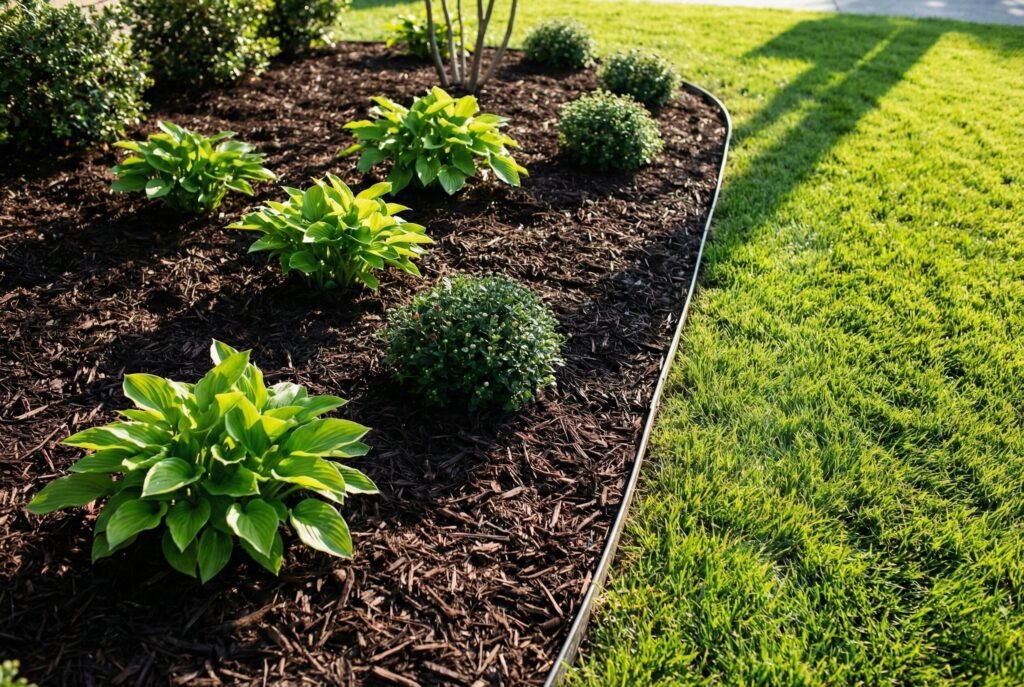
Applying mulch is perhaps the most beneficial and visually appealing task you can do for your summer garden. Mulch acts as an insulating blanket for your soil.
The benefits of organic mulch include:
- Moisture Retention: It prevents the sun from evaporating water directly from the soil surface, keeping roots hydrated longer.
- Temperature Control: It keeps the soil cooler during scorching afternoon heat.
- Weed Suppression: A thick layer blocks sunlight from reaching weed seeds, preventing them from sprouting.
- Soil Health: As organic mulch breaks down, it adds valuable nutrients back into the dirt.
Spread a two to three-inch layer of shredded cedar, pine bark, or dark hardwood mulch around your shrubs, trees, and flower beds. Keep the mulch an inch or two away from the base of plant stems to prevent rot.
3. Install Smart Solar Pathway Lighting
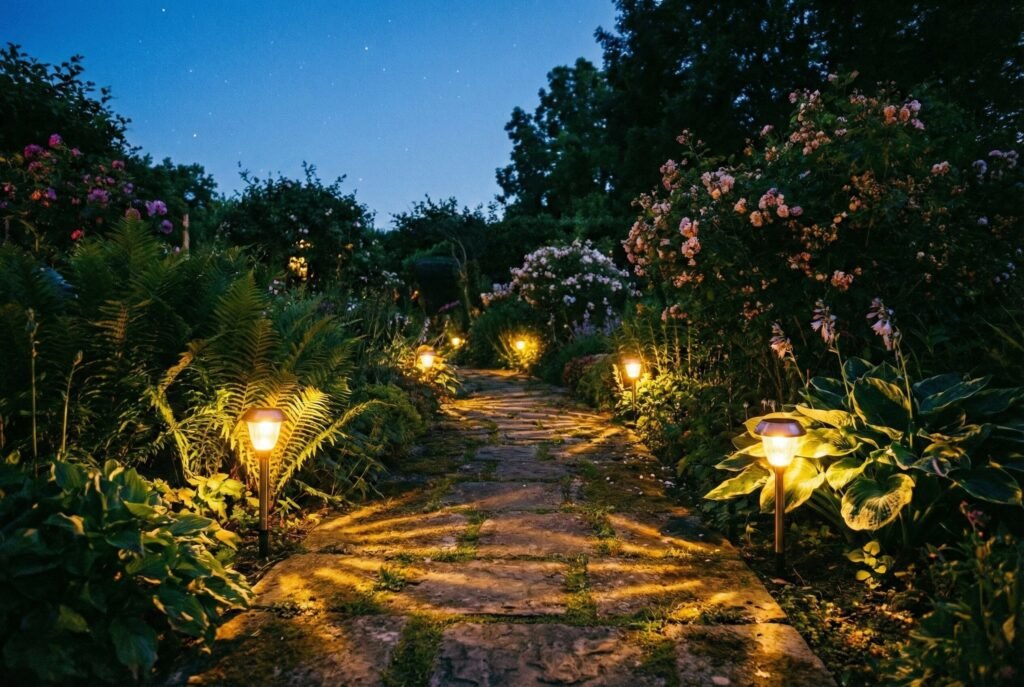
Outdoor lighting extends the usability of your yard long after the sun goes down. Solar lights are incredibly simple to install because they require no wiring, no digging, and no electrician.
Place solar stake lights along your front walkway, garden paths, or around the perimeter of your patio. During the long summer days, they absorb plenty of sunlight to power bright, welcoming illumination at night.
To optimize your lighting design:
- Alternate the placement of lights on either side of a path rather than lining them up like an airport runway.
- Choose warm white LED bulbs (around 2700K to 3000K) for a cozy, inviting glow rather than stark, cool white light.
- Use solar spotlights to highlight architectural features of your home or your favorite trees.
4. Create a Cozy Fire Pit Area
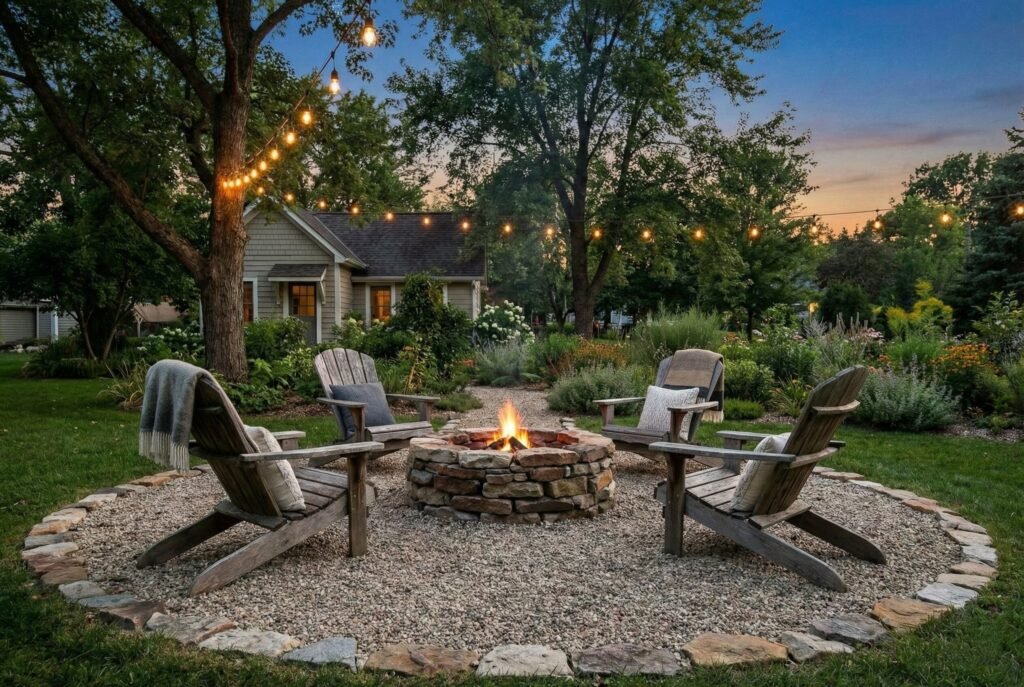
Summer evenings are perfect for gathering around a fire. Building a simple fire pit area is a fantastic way to introduce functional hardscaping into your yard without a massive construction project.
You can buy a pre-made metal fire bowl or build a simple ring using retaining wall blocks from your local home improvement store. To create a designated zone:
- Clear a circular area of grass.
- Lay down landscape fabric to prevent weeds.
- Fill the area with pea gravel or crushed granite.
- Place the fire pit in the center and arrange Adirondack chairs or outdoor sofas around it.
This instantly gives your backyard a destination spot for roasting marshmallows and entertaining guests.
5. Build a Container Garden for Patios
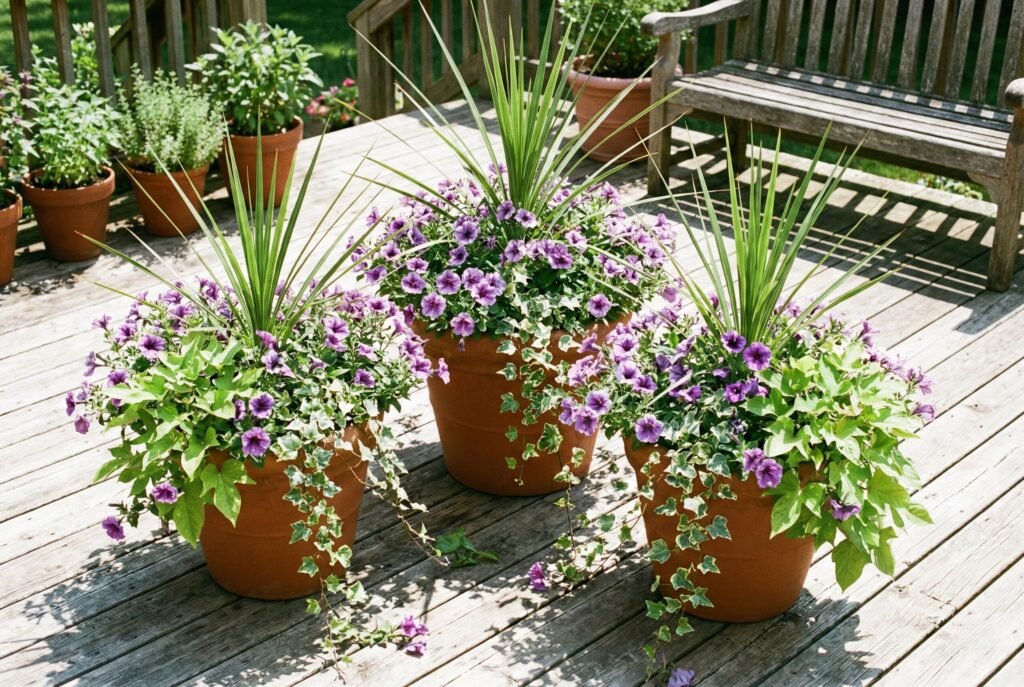
If you have poor soil, limited yard space, or just want to add bright pops of color to your deck or patio, container gardening is the perfect solution. Pots and planters allow you to control the exact soil mix and move plants around to chase or avoid the sun.
For maximum visual impact, use the “Thriller, Filler, Spiller” method in your large pots:
- Thriller: A tall, dramatic plant in the center (like a spike plant or ornamental grass).
- Filler: Medium-sized plants that fill the space with color (like petunias or geraniums).
- Spiller: Trailing plants that hang over the edge of the pot (like sweet potato vine or creeping jenny).
Make sure your containers have drainage holes at the bottom so water does not pool and cause root rot during heavy summer thunderstorms.
6. Upgrade Your Lawn with Ornamental Grasses
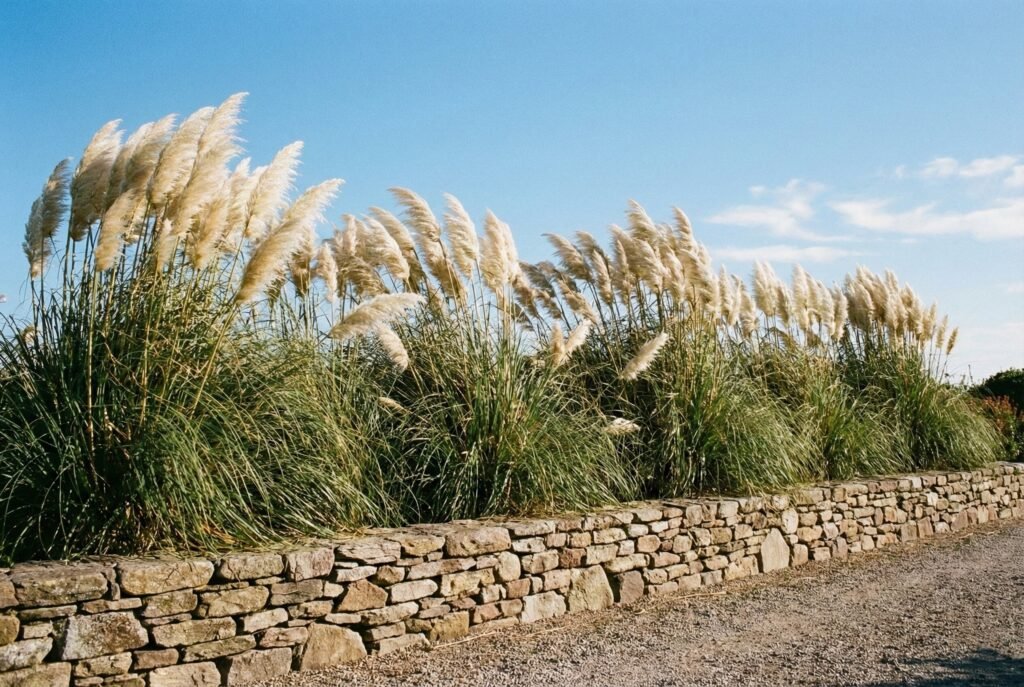
Ornamental grasses are a landscaping secret weapon. They grow quickly, require very little water, and add beautiful texture and movement to your yard as they sway in the summer breeze. They are also highly resistant to pests and diseases.
Great choices for summer landscaping include:
- Fountain Grass: Produces fuzzy, caterpillar-like blooms and grows in a neat, rounded mound.
- Pampas Grass: Grows very tall and features large, feathery white plumes. Check local regulations, as it is considered invasive in a few specific regions.
- Blue Fescue: A small, clumping grass with striking icy-blue foliage that looks great as a border plant.
Plant ornamental grasses in clusters of three or five for a natural, modern aesthetic.
7. Set Up an Efficient Drip Irrigation System
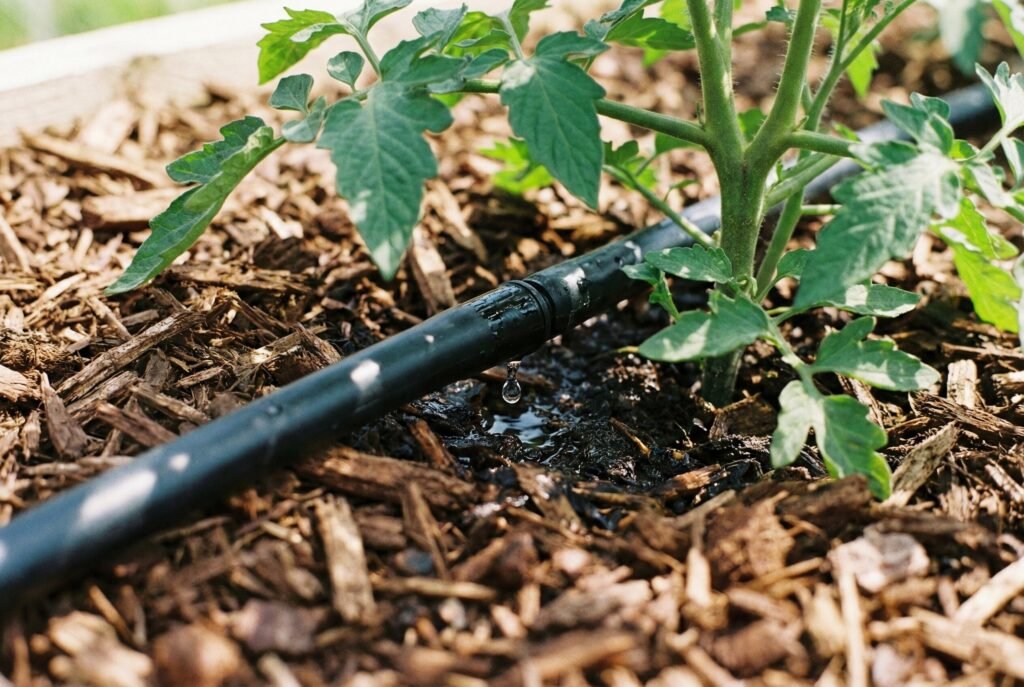
Watering the garden with a hose can take up a lot of your summer downtime. Overhead sprinklers, while convenient for lawns, are highly inefficient for garden beds. The summer sun often evaporates the water before it reaches the roots, and wet leaves can lead to fungal diseases.
Installing a DIY drip irrigation system is easier than you might think. These systems use flexible black tubing laid on top of the soil (hidden under the mulch) with small emitters that drip water directly onto the root zone of each plant.
Benefits of drip irrigation:
- Reduces water usage by up to 50% compared to traditional sprinklers.
- Keeps plant foliage dry, preventing disease.
- Can be connected to an inexpensive battery-operated timer at your hose bib, completely automating your summer watering schedule.
8. Build a Simple Raised Garden Bed

Raised garden beds elevate your planting area above the natural ground level. This simple addition solves many common landscaping problems. It provides perfect drainage, allows you to use premium soil regardless of what your native dirt looks like, and creates a neat, structured look in your yard.
You can construct raised beds easily using untreated cedar boards, corrugated metal, or retaining wall blocks. Summer is an excellent time to fill these beds with heat-loving vegetables and flowers, such as:
- Tomatoes and peppers.
- Zinnias and marigolds.
- Cucumbers and bush beans.
The clear boundaries of a raised bed also make weed control much more manageable, keeping your yard looking tidy with minimal effort.
9. Add a Water Feature or Birdbath
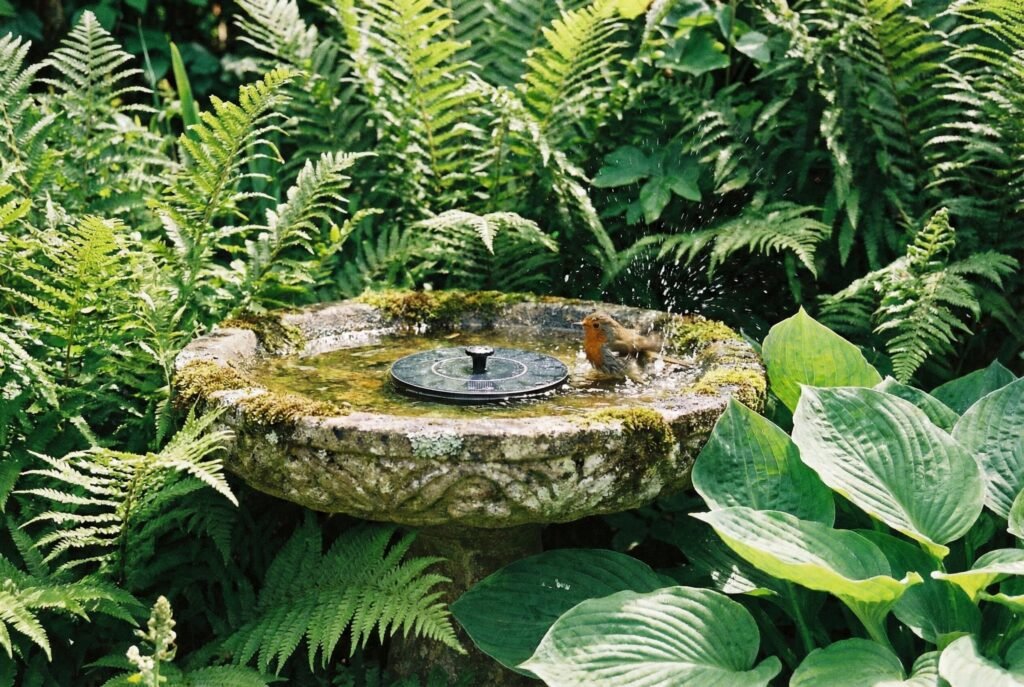
Nothing makes a yard feel more like a tranquil summer oasis than the sound of trickling water. You do not need a massive, expensive koi pond to achieve this effect. A simple, self-contained water fountain or a classic birdbath can completely change the atmosphere of your patio or garden.
Water features also bring your garden to life by attracting local wildlife. Birds, bees, and butterflies need fresh water sources during the hot summer months.
To keep your water feature low-maintenance:
- Place it in a partially shaded area to slow down water evaporation.
- Use a solar-powered pump to keep the water moving, which prevents mosquitoes from laying eggs.
- Scrub birdbaths weekly with a stiff brush and clean water to prevent algae buildup.
10. Refresh Hardscaping with Gravel or Pea Stone
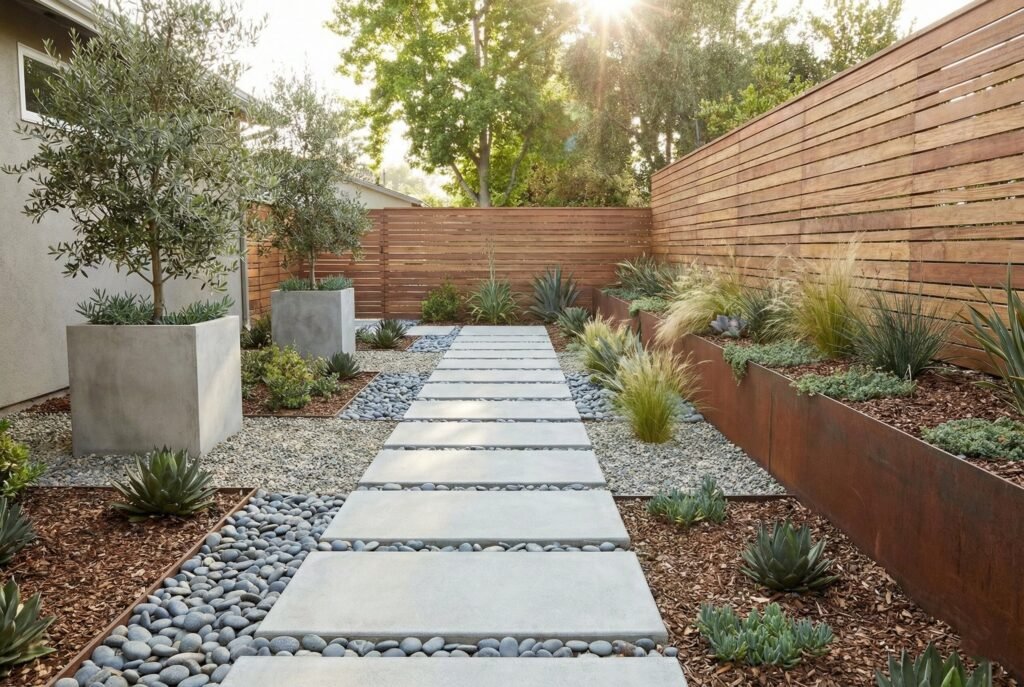
If keeping a pristine green lawn is becoming too expensive or time-consuming in the summer heat, consider replacing struggling grass areas with permeable hardscaping. Crushed gravel, river rock, or pea stone are excellent materials for creating low-maintenance zones.
Unlike solid concrete patios, gravel is permeable, meaning rainwater can still soak into the ground, benefiting the surrounding trees and shrubs.
You can use gravel to:
- Create a side-yard pathway where grass refuses to grow.
- Build a base for a secondary seating area or hammock stand.
- Replace water-hungry grass in the parkway (the strip of dirt between the sidewalk and the street).
Always lay down a high-quality commercial weed barrier fabric before spreading gravel to prevent weeds from taking over your new hardscape.
11. Plant a Pollinator-Friendly Flower Border
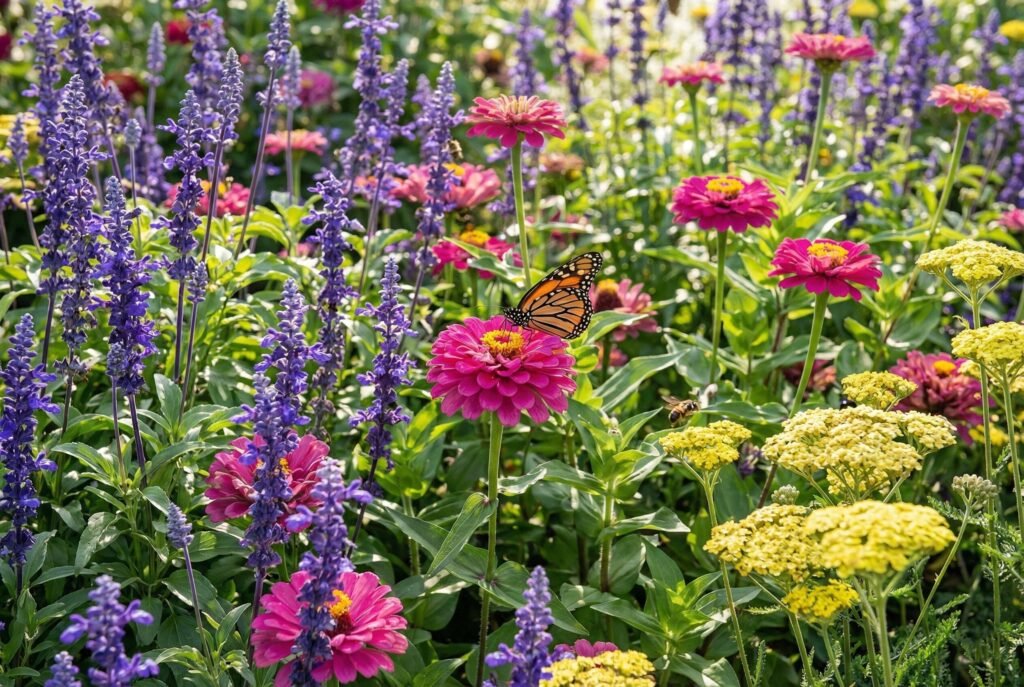
Creating a garden that supports local ecosystems is a major trend in modern landscaping. A pollinator border is a designated strip of your yard filled with flowers specifically chosen to attract and feed bees, butterflies, and hummingbirds.
To create an effective pollinator garden for summer:
- Plant in clumps: Group the same type of flower together in blocks of at least three. This makes it easier for pollinators to spot them from the air.
- Choose diverse shapes: Different insects prefer different flower shapes. Mix flat-topped flowers (like yarrow) with tubular flowers (like salvia or foxglove).
- Ensure continuous blooms: Pick varieties that bloom in early, mid, and late summer so there is always a food source available.
Not only does this help the environment, but a yard buzzing with butterflies adds incredible life and motion to your landscape.
12. Hang Window Boxes and Hanging Baskets

When you want to increase curb appeal but do not have a lot of ground space, look up. Hanging baskets on your front porch and installing window boxes under your front-facing windows instantly make a home look charming, welcoming, and professionally styled.
Because these containers are elevated and exposed to the wind and sun on all sides, they dry out very quickly in the summer. To keep them looking fresh:
- Mix a slow-release granular fertilizer into the potting soil when planting.
- Add water-retaining polymer crystals to the dirt to help hold moisture.
- Choose trailing plants that thrive in the heat, such as calibrachoa (million bells), trailing verbena, or sweet alyssum.
13. Create a Shady Pergola or Trellis Retreat

Summer sun can be relentless. Creating intentional shade makes your outdoor space more usable and comfortable. A wooden pergola over your patio or a sturdy trellis in your garden provides structure and a place to grow climbing vines.
Plants provide “cool shade,” which is physically cooler than the shade provided by an umbrella or metal roof because plants release moisture into the air through transpiration.
Excellent climbing plants for summer include:
- Clematis: Produces large, stunning, star-shaped flowers.
- Morning Glories: Fast-growing annuals that quickly cover a trellis.
- Climbing Roses: Classic, elegant, and available in heat-tolerant varieties.
- Bougainvillea: Thrives in intense heat and produces massive displays of bright pink or purple color.
14. Define Lawn Edges for a Crisp Look
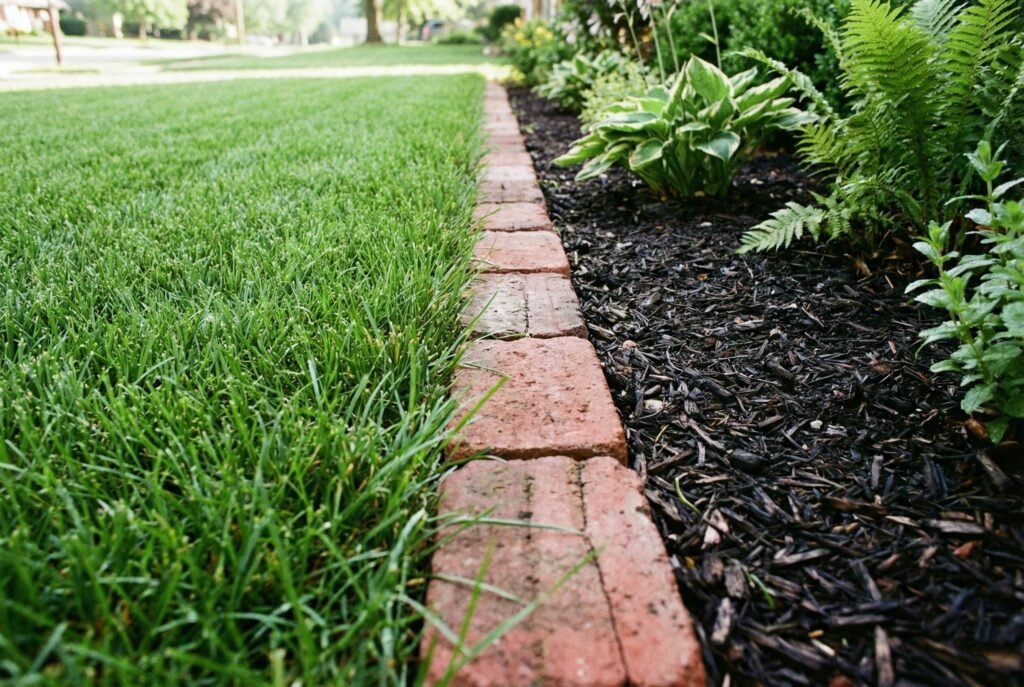
Sometimes, the best landscaping upgrade doesn’t involve buying new plants at all. Simply defining the borders between your grass and your garden beds gives your whole yard a manicured, professional appearance. A crisp edge stops grass roots from invading your flower beds and keeps mulch from washing onto your lawn.
You can achieve clean edges in a few ways:
- Trench Edging: Use a half-moon edger or a flat spade shovel to cut a sharp, V-shaped trench between the grass and the bed. This is free but requires manual labor to maintain.
- Metal or Plastic Edging: Pound flexible steel or heavy-duty plastic borders into the ground to create a permanent physical barrier.
- Stone or Brick Edging: Lay landscaping bricks or small cobblestones along the border. This creates a highly visible, classic frame for your garden.
15. Grow a Summer Herb Garden
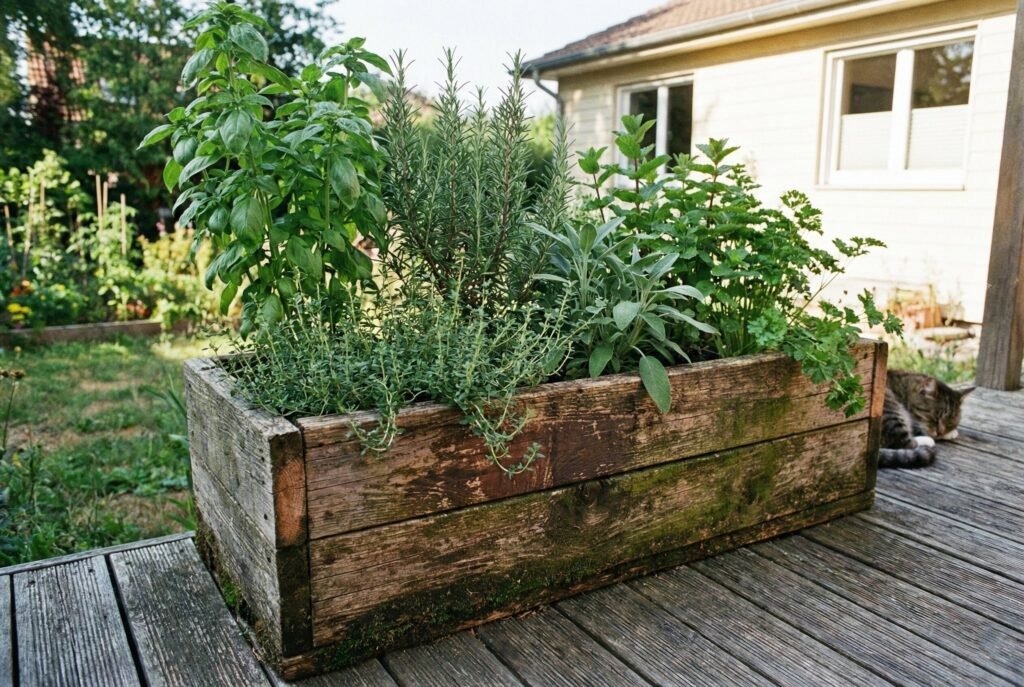
Edible landscaping is both beautiful and practical. Herbs are some of the easiest plants to grow in the summer, and they look great mixed into existing flower beds or planted in dedicated pots near your kitchen door or grill.
Many Mediterranean herbs actually prefer hot, dry weather and poor soil, making them perfect low-maintenance additions to a summer yard.
- Rosemary: Grows into a tough, fragrant evergreen shrub.
- Thyme: Excellent as a low-growing ground cover that spills over the edges of pots or retaining walls.
- Basil: Loves the heat and pairs perfectly with fresh summer tomatoes.
- Mint: Extremely easy to grow (plant it in a pot, as it will aggressively take over a garden bed if planted in the ground).
16. Upgrade Front Porch Curb Appeal with Symmetry
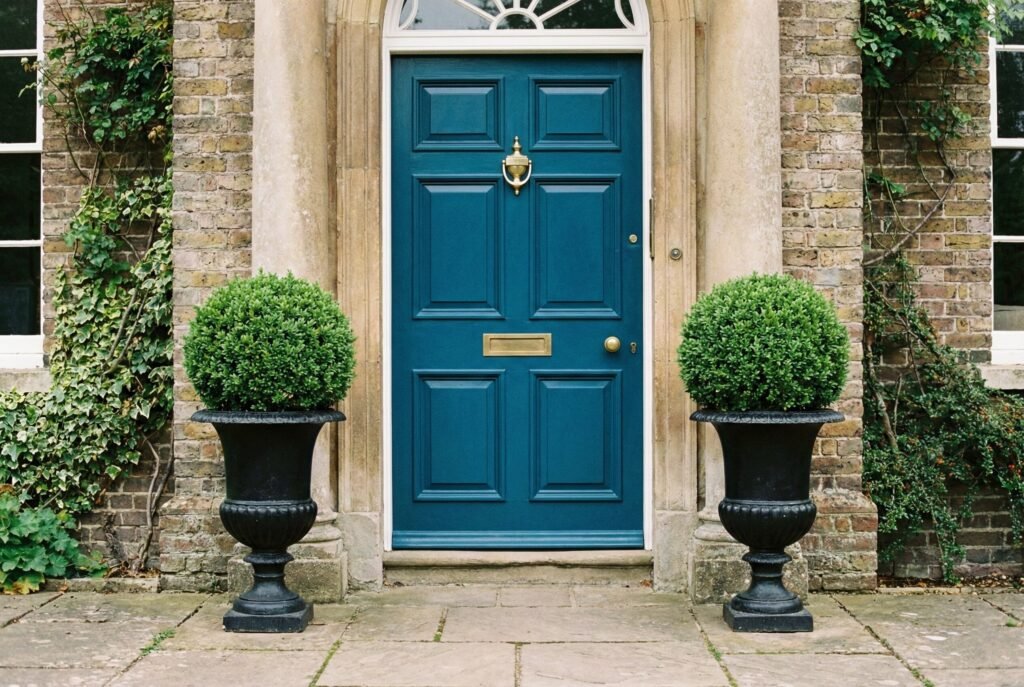
The human brain naturally loves symmetry; it implies order, care, and design. You can utilize this psychological trick to instantly boost your summer curb appeal.
Create a symmetrical focal point at your front entrance. Place two identical, tall planters on either side of your front door. Fill them with an identical arrangement of plants. For summer, a classic and formal look is planting a manicured evergreen shrub (like a boxwood or small arborvitae) in the center of each pot, surrounded by a ring of white trailing flowers.
This simple layout draws the eye directly to your front door and makes the entire home exterior look balanced and expensive.
17. Use Large Rocks and Boulders for Texture
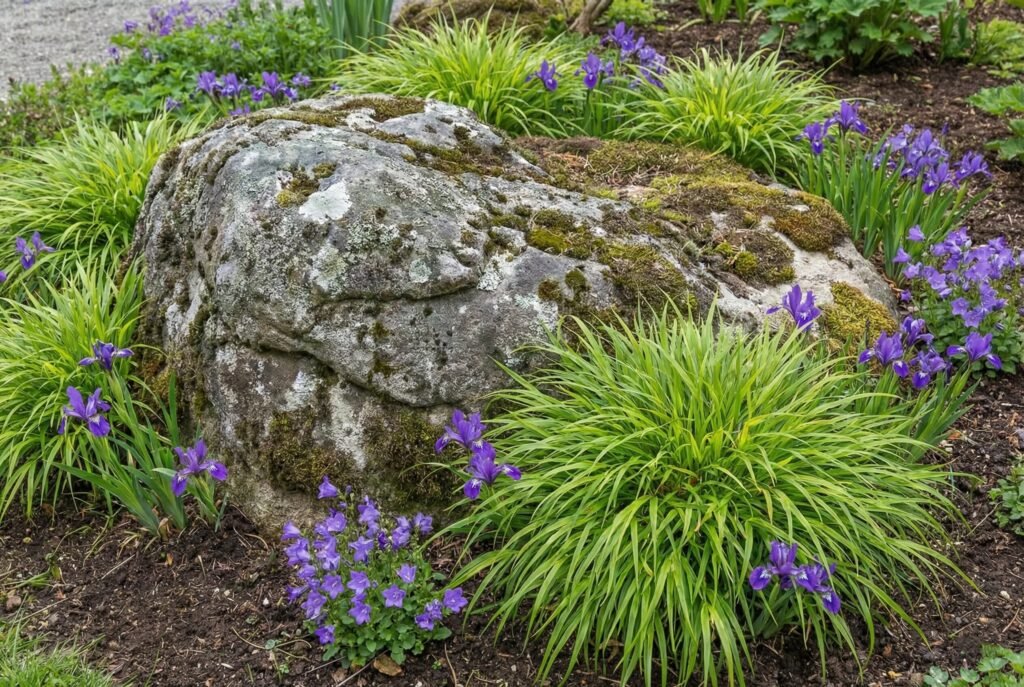
Plants are considered “softscaping,” while heavy, permanent elements are “hardscaping.” A well-designed yard needs a balance of both. Introducing large fieldstones, boulders, or decorative rocks into your garden beds breaks up the monotony of mulch and greenery.
Boulders act as natural focal points and structural anchors in a landscape design. Best of all, rocks require zero water, no pruning, and never die in the summer heat.
To make boulders look natural:
- Bury the bottom one-third of the rock into the dirt. A rock sitting directly on top of the ground looks artificial; burying it makes it look like a natural outcropping.
- Group rocks in odd numbers (groups of one, three, or five).
- Plant low-growing ground cover or ornamental grasses directly beside the rocks to soften their hard edges.
Essential Maintenance Tips for the Summer Heat
Even with low-maintenance ideas implemented, summer weather requires you to adjust your standard yard care routine. Follow these essential tips to keep your landscape thriving until autumn.
Adjust Your Mowing Height
Do not cut your grass too short in the summer. Raise your lawnmower blade to leave the grass at least three to four inches tall. Taller grass blades cast shade onto the soil, which helps prevent weed seeds from germinating and keeps the soil moisture from evaporating too quickly. Taller grass also develops deeper, more resilient roots.
Water Deeply and Infrequently
Frequent, shallow watering encourages plants and grass to develop shallow root systems, which dry out instantly on a hot day. Instead, water your yard deeply but less frequently (e.g., once or twice a week, depending on rainfall). This forces roots to grow deep into the soil where moisture stays trapped longer.
Water Early in the Morning
The best time to run your sprinklers or drip irrigation is between 4:00 AM and 8:00 AM. Watering in the morning allows the water to soak into the soil before the hot afternoon sun evaporates it. It also allows the plant leaves to dry off throughout the day, which prevents fungal diseases. Never water in the evening, as plants sitting in damp, cool conditions overnight are highly susceptible to mildew and fungus.
Stay on Top of Weeding
Weeds steal valuable water and nutrients from your desired plants. Pull weeds regularly before they have a chance to flower and drop seeds. Weeding is easiest immediately after a rainstorm when the soil is soft and pliable.
Conclusion
Summer landscaping does not have to be a constant battle against the heat and the sun. By choosing the right native plants, applying protective mulch, incorporating smart hardscaping like gravel and fire pits, and watering efficiently, you can create an outdoor space that looks incredible and practically takes care of itself. Take a look at your yard this weekend, pick one or two of these simple ideas to start with, and enjoy a beautiful, vibrant outdoor living space all season long.